Menu


Understanding Payment Method Compatibility in Card Terminals
By John Misarti December 16, 2024
In the current digital era, cashless payments have turned into a fundamental aspect of commerce. Card terminals, the instruments utilized for processing payments, are essential in enabling these transactions. Nonetheless, not every card terminal is the same, and their capacity to accommodate various payment options is an essential factor for both companies and shoppers. Let’s examine the idea of payment method compatibility, its significance, and how it influences the future of commerce.
What is Payment Method Compatibility?
Payment method compatibility refers to a card terminal’s ability to accept various forms of payment, such as credit cards, debit cards, mobile wallets, and contactless payments. A compatible terminal ensures seamless transactions, catering to a broader audience with varying preferences.
For example, certain consumers favor the ease of mobile wallets such as Apple Pay or Google Pay, whereas others depend on conventional chip-enabled credit cards. A perfect card terminal caters to both, boosting the customer experience and increasing business efficiency. Compatibility goes beyond merely supporting various payment methods; it also includes connecting with international payment networks and complying with changing security protocols.
Types of Payment Methods in Card Terminals
1. Credit and Debit Cards
Traditional payment methods like credit and debit cards remain highly popular. Card terminals process these payments using magnetic stripes, EMV chips, or NFC technology for contactless transactions.
2. NFC Payments
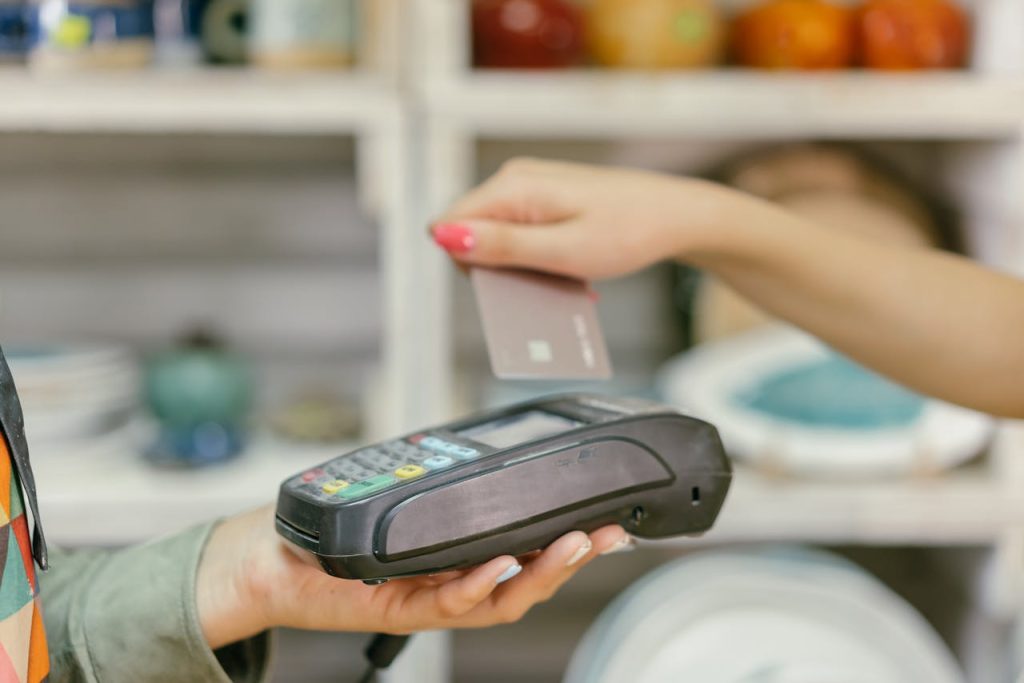
NFC payments have gained significant traction due to their speed and convenience. By simply tapping a compatible card or device on the terminal, customers can complete transactions within seconds. This method also powers many mobile wallet payments.
3. Mobile Wallet Acceptance
Mobile wallets, such as Apple Pay, Samsung Pay, and Google Pay, are redefining the way people pay. These digital payment methods store card details securely and use technologies like NFC to enable contactless transactions. Businesses that embrace mobile wallet acceptance appeal to tech-savvy customers and streamline their payment processes.
4. QR Code Payments
In regions like Asia and Africa, QR code payments are widely used. They allow customers to scan a code generated by the terminal to initiate payments directly from their banking apps or digital wallets.
How Payment Compatibility Works
The technology that powers card terminals dictates their ability to accept payments. Contemporary terminals come with hardware and software that accommodate multiple payment options and connect with payment networks such as Visa, Mastercard, and American Express.
Key Components:
Hardware Integration: Advanced terminals feature chip readers, magnetic stripe readers, and NFC sensors to support diverse payment methods.
Payment Network Interoperability: Compatibility with global payment processors ensures transactions are processed seamlessly, regardless of the card issuer.
Security Protocols: Secure communication channels, like encryption and tokenization, ensure data protection during transactions.
Why Payment Method Compatibility Matters
For Consumers
Compatibility with various payment methods improves the shopping experience by allowing customers the option to pay with their chosen methods. Whether it’s using a phone for an NFC payment or scanning a QR code, compatibility guarantees smooth transactions.
For Businesses
For businesses, accommodating diverse payment methods can:
Boost Sales: Customers are more likely to complete a purchase if their preferred payment method is accepted.
Reduce Abandoned Transactions: A lack of compatibility often leads to frustrated customers abandoning their purchases.
Enhance Reputation: Offering modern payment options signals that a business is up-to-date and customer-focused.
Benefits of NFC Payments and Mobile Wallet Acceptance
NFC payments and mobile wallets are shaping the future of transactions, offering distinct advantages for both users and businesses:
Speed and Convenience NFC payments are incredibly fast. Customers can complete transactions in seconds without the need to fumble with cash or swipe cards. This speed is especially valuable in high-traffic retail environments.
Enhanced Security Mobile wallets employ sophisticated security measures such as encryption and biometric verification. These actions greatly decrease the likelihood of fraud in comparison to conventional card transactions.
Improved Hygiene In the post-pandemic era, contactless payments have become more than a convenience; they are a hygiene necessity. NFC payments minimize physical contact, addressing health concerns.
Integration with Loyalty Programs Mobile wallets often integrate with loyalty programs, allowing customers to earn rewards seamlessly while making payments. This feature encourages repeat business.
Overcoming Barriers to Payment Compatibility
Despite its advantages, ensuring seamless payment compatibility requires addressing several obstacles:
Technological Infrastructure Some regions still lack the infrastructure to support advanced payment methods like NFC or mobile wallets. Bridging this gap requires investments in technology and awareness campaigns.
Standardization Challenges Different countries and payment providers follow varied standards, which can complicate compatibility. Establishing global protocols can help streamline processes.
Customer Reluctance Certain consumers are still reluctant to accept new payment technologies because of worries regarding security or unfamiliarity. Informing users about the advantages and security of contemporary payment methods can promote acceptance.
Merchant Adoption Costs Upgrading to compatible terminals can be costly for small businesses. Governments and payment providers can play a role by offering subsidies or incentives for technology upgrades.
Choosing the Right Card Terminal
Selecting a card terminal that supports diverse payment methods is a strategic decision for any business. Here are some factors to consider:
Customer Demographics Understanding the preferences of your target audience is crucial. For instance, younger customers are more likely to use mobile wallets, while older generations may prefer traditional cards.
Payment Platform Compatibility Make sure the terminal is compatible with key payment processors and allows for NFC transactions, mobile wallet use, and QR code scanning.
Ease of Use A user-friendly terminal enhances both customer and staff experiences, reducing transaction times and minimizing errors.
Support and Maintenance Choose a terminal provider that offers regular updates and robust customer support to ensure ongoing compatibility with emerging payment methods.

Future Trends in Payment Compatibility
The payment landscape is constantly evolving, and businesses must stay ahead of the curve. Here are some emerging trends:
Biometric Payments Payments using fingerprints, facial recognition, or voice authentication are on the rise. Card terminals may soon integrate these features for added security and convenience.
Blockchain-Based Payments Cryptocurrency transactions are becoming more popular, as several companies have begun to accept Bitcoin and various other digital currencies. Upcoming terminals might have to integrate blockchain technology to handle these transactions.
Regulatory Changes Regulations like the Payment Services Directive 2 (PSD2) in Europe emphasize secure and innovative payment systems. Compliance with such regulations will drive further compatibility improvements.
AI and Machine Learning Artificial intelligence can enhance fraud detection and transaction validation, ensuring smoother and safer payments.
Wearable Payment Devices The emergence of wearable devices like smartwatches and fitness trackers is impacting payment trends. Future card terminals must support payments from these devices, guaranteeing smooth integration.
Conclusion
Payment method compatibility is not merely a feature; it has become an essential requirement in today’s ever-evolving payment landscape. By backing NFC payments and accepting mobile wallets, as well as adopting new technologies, businesses that focus on compatibility can more effectively satisfy customer demands and succeed in a changing market landscape.
For consumers, the convenience of using preferred payment methods ensures a seamless shopping experience. For businesses, investing in compatible card terminals fosters growth, improves customer satisfaction, and future-proofs operations. As payment technologies continue to evolve, staying informed and adaptable will be key to success.


Leave a Reply