Menu

The Importance of User-Friendly Interfaces in Payment Terminals
By John Misarti December 12, 2024
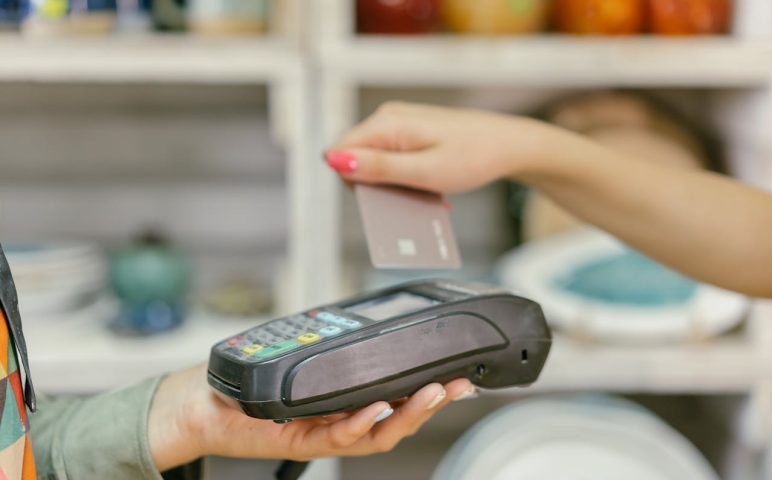
The swift advancement of digital technology has changed how we perform financial transactions. From classic cash registers to advanced POS systems, payment terminals have turned into a vital component of modern commerce. In this rapid environment, making sure that payment terminals are easy to use is essential for improving customer experience and promoting business success. By concentrating on user-friendly designs and smooth functionality, companies can not only enhance transactions but also foster trust and loyalty with their clients.
The Evolution of Payment Terminals
Payment terminals have come a long way from the clunky, mechanical cash registers of the past. The introduction of electronic payment systems revolutionized the retail and service industries, offering faster and more accurate transaction methods. Today, payment terminals integrate advanced technologies, such as contactless payments, mobile wallets, and biometric authentication, to provide a more comprehensive and efficient checkout process. Despite these advancements, the complexity of modern systems can often overwhelm users, making the need for user-friendly payment terminals more pressing than ever.
The transition to digital payments has come with an increasing need for interfaces that are both effective and user-friendly. Although the technology that powers these systems is complex, the user experience needs to be clear and uncomplicated. This development highlights the necessity of designing systems that accommodate a wide variety of users, from tech-savvy millennials to older adults who are not familiar with digital payment methods.
Why User-Friendly Interfaces Are Essential
The significance of user-friendly payment terminals lies in their ability to simplify the transaction process for all parties involved. For customers, a smooth and efficient checkout experience can leave a lasting positive impression, encouraging repeat visits and fostering loyalty. For businesses, streamlined operations mean reduced wait times, fewer errors, and higher overall efficiency.
User-friendly POS systems are vital in eliminating the anxiety and confusion frequently linked to digital transactions. Simple instructions, responsive touch displays, and easy navigation guarantee that customers can finish their transactions with little effort. This ease is especially crucial in busy places, like supermarkets, where holdups can result in annoyance and frustration.
Moreover, user-friendly payment terminals are essential for inclusivity. By designing interfaces that accommodate people with varying levels of technological proficiency, businesses can cater to a broader audience. Features such as large buttons, high-contrast displays, and multi-language support make these systems accessible to everyone, including the elderly and those with disabilities. This inclusivity not only enhances the customer checkout experience but also reflects positively on the business’s commitment to serving its community.
Key Features of a User-Friendly Payment Terminal
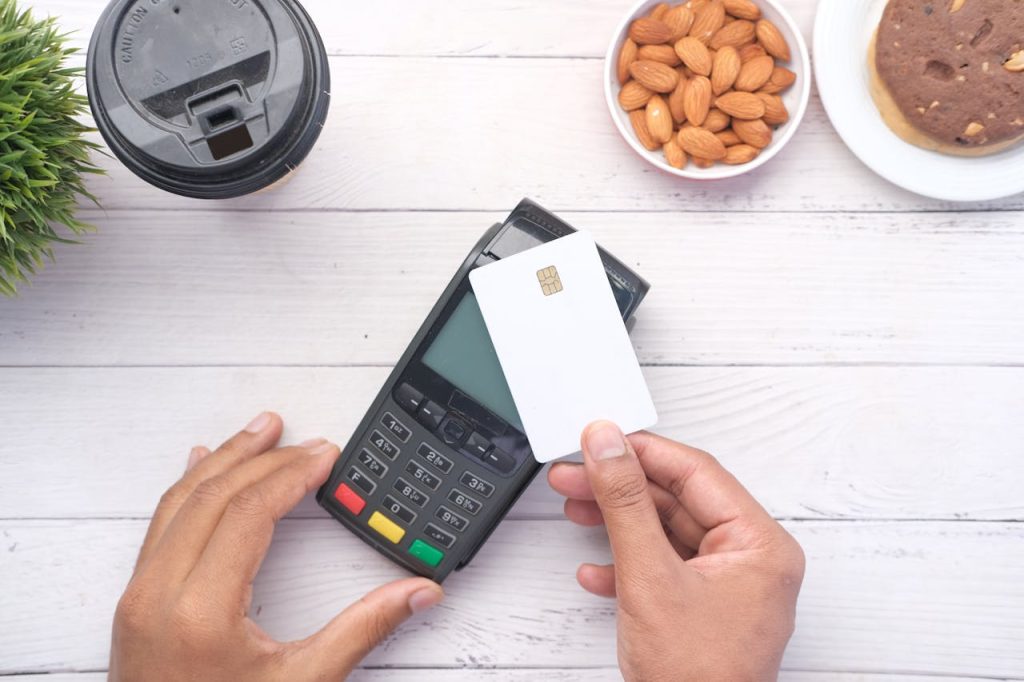
A truly user-friendly payment terminal combines simplicity, functionality, and adaptability. The interface should be intuitive enough for first-time users while offering advanced features for regular customers. One of the most critical aspects is clarity. Customers should immediately understand how to proceed, whether they are swiping a card, tapping their phone, or entering a PIN. Clear prompts and well-labeled buttons can significantly reduce the likelihood of errors.
Pace is another vital characteristic. Modern shoppers prioritize their time, and any delay in the payment procedure can diminish their overall experience. Intuitive payment terminals are built to handle transactions swiftly, allowing customers to finalize their purchases without undue delays. This efficiency is particularly important for companies with large transaction volumes, like restaurants and retail shops.
Security is also a paramount concern. While it is important to incorporate robust security measures, these features should not come at the expense of usability. For instance, multi-factor authentication can enhance security, but it must be implemented in a way that does not overly complicate the process for customers. Biometric authentication, such as fingerprint or facial recognition, offers a convenient and secure alternative that aligns well with the principles of user-friendly design.
Adaptability is yet another hallmark of a good payment terminal. Businesses operate in diverse industries with unique requirements, and a one-size-fits-all approach rarely works. Customizable interfaces allow businesses to tailor the payment experience to their specific needs, ensuring that both customers and staff find the system easy to use. For example, a coffee shop may prioritize speed and simplicity, while a high-end boutique might focus on personalized interactions.
The Business Impact of User-Friendly Payment Terminals
The benefits of user-friendly payment terminals extend beyond improved customer satisfaction. Businesses that invest in intuitive POS systems often see a significant boost in efficiency and profitability. By reducing the time it takes to complete transactions, these systems allow staff to serve more customers in less time. This increased throughput can lead to higher revenue, particularly in busy establishments.
Moreover, user-friendly payment terminals can lower training expenses for staff. Complex systems need considerable training, which not only takes time but also diverts resources from other business operations. In contrast, straightforward and user-friendly interfaces are more accessible for employees to master, allowing them to gain proficiency faster. This straightforwardness also reduces the chances of mistakes, potentially saving companies money over time.
Customer loyalty is another key area where user-friendly payment terminals make a difference. A smooth and hassle-free checkout experience leaves a positive impression, encouraging customers to return. In today’s competitive market, where consumers have numerous options, providing an exceptional checkout experience can be a powerful differentiator. Businesses that prioritize usability in their payment solutions demonstrate a commitment to customer satisfaction, which can set them apart from their competitors.
Challenges in Designing User-Friendly Interfaces
While the benefits of user-friendly payment terminals are clear, designing such systems is not without its challenges. One of the primary difficulties lies in balancing simplicity with functionality. Modern payment terminals must support a wide range of payment methods, from traditional cards to digital wallets and cryptocurrency. Incorporating all these features without overwhelming users requires careful planning and thoughtful design.
Another domain where difficulties emerge is security. As cyber threats grow more advanced, companies need to adopt strong security protocols to safeguard customer information. Nevertheless, these measures frequently introduce additional layers of complexity to the user interface. Achieving the optimal equilibrium between security and usability is a challenging endeavor that needs continuous innovation.
Inclusivity is also a significant consideration. Payment terminals must accommodate a diverse user base, including people with disabilities and those who speak different languages. Designing interfaces that are both functional and inclusive demands a deep understanding of user needs and preferences. Additionally, businesses must stay abreast of technological advancements to ensure that their systems remain relevant and effective.
The Future of Payment Terminal Interfaces
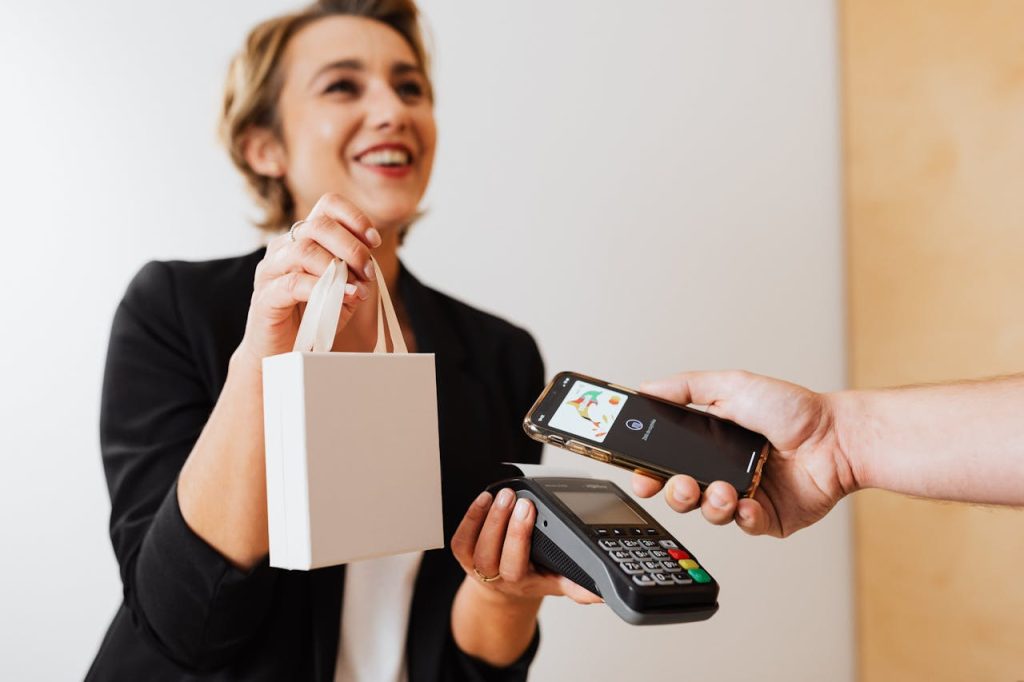
The future of payment terminal interfaces is promising, with advancements in technology paving the way for even more intuitive and user-friendly systems. AI and machine learning are set to play a significant role in personalizing the payment experience. For instance, AI-driven systems can analyze customer behavior to offer tailored recommendations or streamline frequently used payment methods.
Payments assisted by voice technology are another rising trend. By enabling customers to execute transactions through voice commands, companies can provide a convenient and easily reachable payment option. This technology is especially advantageous for people with mobility challenges or those transporting heavy objects.
Biometric authentication is also gaining traction as a secure and convenient alternative to traditional methods. Fingerprint and facial recognition technologies not only enhance security but also simplify the payment process, aligning perfectly with the principles of user-friendly design. As these technologies become more widespread, they are likely to become standard features in modern payment terminals.
The integration of payment terminals with the IoT is another exciting development. Smart devices, such as connected refrigerators or wearable payment accessories, are already transforming the way consumers interact with payment systems. By seamlessly integrating with these devices, payment terminals can provide a more cohesive and convenient experience.
Conclusion
In an era where customer experience is paramount, the importance of user-friendly payment terminals cannot be overstated. These systems not only enhance the customer checkout experience but also drive business efficiency and profitability. By prioritizing intuitive POS systems, businesses can cater to a diverse audience, build trust, and stay ahead in a competitive market.
The difficulties in creating user-friendly payment terminals are considerable, yet the benefits make the effort worthwhile. As technology keeps advancing, companies must stay devoted to innovation and inclusivity to address the constantly shifting demands of their clients. With innovations like AI, voice-activated payments, and biometric verification emerging, the future of payment terminal interfaces is certainly promising. By adopting these advancements, companies can guarantee that their payment systems stay both operational and enjoyable to utilize.


Leave a Reply