Menu

Troubleshooting Common Issues with Credit Card Terminals
By John Misarti December 3, 2024
Credit card terminals are essential for businesses of all sizes. These devices enable seamless transactions, ensuring customer satisfaction and boosting sales. However, like any technology, credit card terminals can sometimes encounter problems that disrupt operations.
Understanding How Credit Card Terminals Work
Credit card terminals are devices designed to facilitate secure payment transactions by reading card data, encrypting it, and sending it to payment processors for authorization. These terminals typically consist of a hardware component, such as a card reader and keypad, and software that processes transactions and ensures compliance with security protocols.
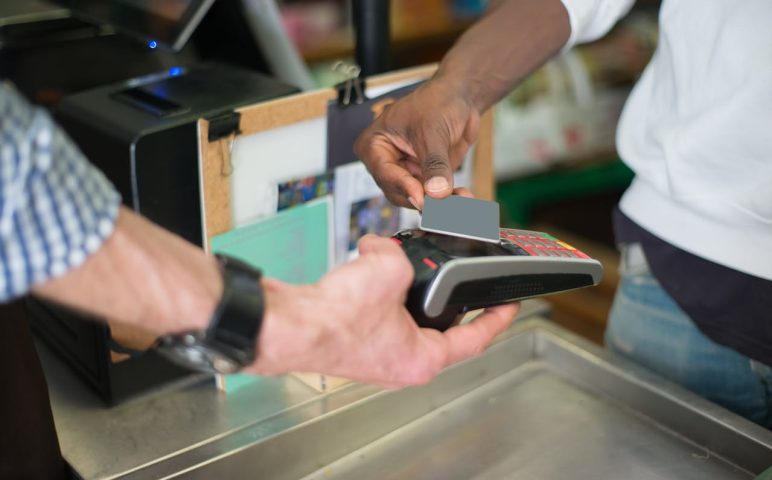
When a customer swipes, inserts, or taps their card, the terminal reads the card information and communicates with the issuing bank via the payment network. If the bank approves the transaction, the payment is processed. This multi-step process depends on the coordination of hardware, software, and network connectivity. Understanding these components is crucial because it helps identify where problems might occur when errors arise during transactions. Knowing the basics also enables users to troubleshoot minor issues independently, reducing downtime.
Common Hardware Issues and Their Solutions
Hardware-related problems are among the most frequent issues with credit card terminals. For instance, a terminal that fails to power on can be frustrating, especially during peak business hours. This issue often stems from loose or damaged power connections, faulty cables, or a drained battery (for mobile terminals). To resolve this, ensure all connections are secure and that the power source is functioning correctly. If the terminal still doesn’t turn on, consider replacing the adapter or battery.
Another common issue is an unresponsive card reader. Card readers can accumulate dirt or debris over time, which can interfere with their ability to read card information. Regularly cleaning the reader with specialized cleaning cards can help prevent this problem. However, if cleaning does not resolve the issue, the card reader may need professional servicing or replacement.
Keypad malfunctions can also hinder payment processing. Stuck or unresponsive keys are often caused by wear and tear or dirt buildup. Gently cleaning the keypad can address minor issues, but for more persistent problems, contacting technical support for the terminal is the best course of action.
Proper maintenance, such as cleaning and inspecting hardware regularly, is essential to prevent hardware-related downtime and ensure smooth operations.
Troubleshooting Connectivity Problems
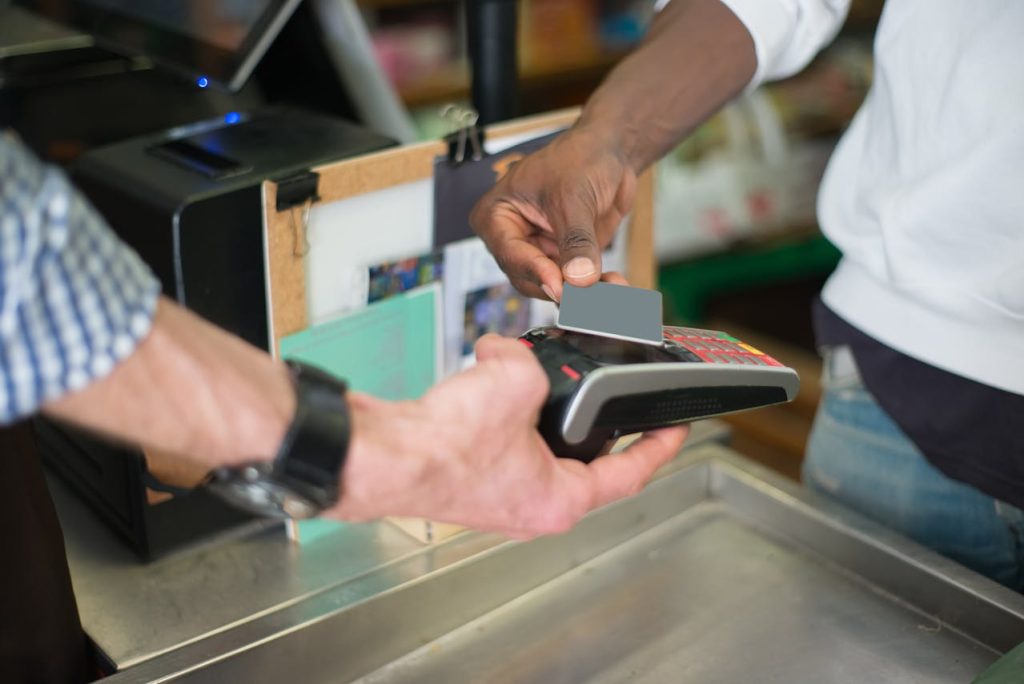
Credit card terminals rely heavily on stable connectivity for processing transactions. Connectivity issues are a common cause of credit card terminal errors and can arise from network problems, weak Wi-Fi signals, or faulty Ethernet cables. To troubleshoot these issues, start by checking the terminal’s connection to the network. For terminals using Wi-Fi, ensure that the network signal is strong and that the correct network credentials are entered.
If the terminal is connected via Ethernet, inspect the cable for damage and confirm that it is securely plugged into both the terminal and the router. Restarting the router and the terminal can often resolve temporary network disruptions. Additionally, for mobile or Bluetooth-enabled terminals, ensure that the paired devices are within range and properly connected. Re-pairing the devices or resetting network settings may be necessary.
Connectivity issues not only delay transactions but also create a poor customer experience. Proactively addressing these problems through regular checks of network settings and infrastructure is crucial for uninterrupted payment processing.
Resolving Software Glitches and Updates
Software-related glitches are another common cause of terminal issues. Problems like frozen screens, system crashes, or error messages can interrupt transactions and cause frustration. One of the simplest troubleshooting tips is to restart the terminal. This action can resolve temporary software bugs. If the problem persists, performing a factory reset may help, but this step should only be done after consulting the user manual or technical support, as it might erase important data.
Outdated software is another frequent issue that can lead to errors or compatibility problems. Manufacturers often release updates to improve performance, fix bugs, and enhance security features. Regularly updating the terminal’s software ensures it operates efficiently and meets the latest security standards. Always check for updates directly from the terminal provider or payment processor and follow their guidelines for installation.
Error messages can also occur, providing clues about specific issues. These messages often come with codes that can be referenced in the user manual or online support resources to identify and resolve the problem. Ensuring your software is current and troubleshooting errors promptly can significantly enhance the terminal’s reliability.
Addressing Payment Processing Challenges
Payment processing challenges are some of the most visible issues with credit card terminals, often directly impacting customer experience. Declined transactions, for instance, can occur for various reasons, such as insufficient funds, expired cards, or network errors. While some issues are customer-related, ensuring the terminal is functioning correctly and has stable connectivity is crucial. If declines persist, advise customers to contact their card issuer for further assistance.
Slow transaction processing is another common issue that can frustrate both staff and customers. This problem might result from system overloads, background updates, or poor network connectivity. Regularly restarting the terminal and keeping its software updated can improve transaction speeds. Additionally, minimizing interference in the network by reducing simultaneous connections can enhance performance.
Contactless payment failures are becoming more noticeable as tap-to-pay options gain popularity. Ensure the terminal supports contactless payments and that this feature is enabled. If customers report issues, confirm that their cards or devices are contactless-enabled and properly aligned with the terminal’s reader.
By addressing payment processing challenges promptly, businesses can maintain a smooth transaction flow and build customer trust.
Ensuring Security and Fraud Prevention
Security is a top priority for businesses using credit card terminals. Fraud or tampering with terminals can result in financial losses and damage to reputation. One way to ensure security is by regularly inspecting terminals for signs of tampering, such as unfamiliar devices attached to the terminal or visible damage. Train staff to recognize and report suspicious activity promptly.
Another critical aspect of security is compliance with the PCI DSS. PCI compliance involves using secure networks, encrypting cardholder data, and ensuring the terminal’s software is up to date. Regularly reviewing your compliance status and addressing gaps is vital for protecting customer information.
Fraud prevention measures, such as encryption, tokenization, and secure passwords, should also be implemented. Educating employees about fraud prevention practices, such as verifying customer identities during suspicious transactions, adds an additional layer of security.
Investing in security measures not only protects your business from potential threats but also fosters customer confidence in your payment processes.
Knowing When to Seek Professional Help
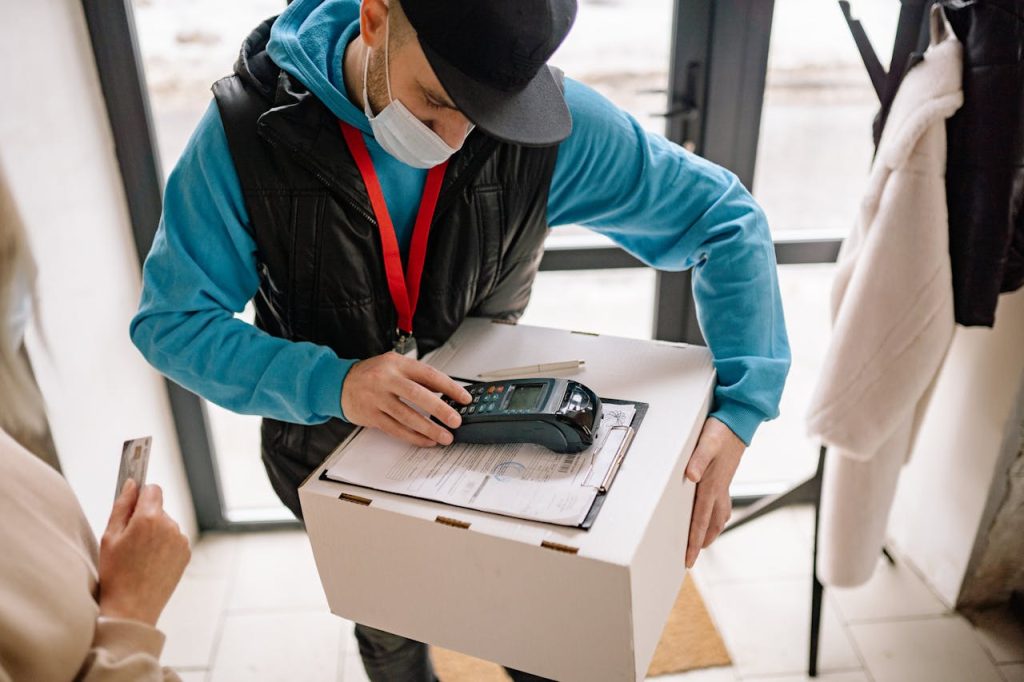
While many credit card terminal issues can be resolved in-house, certain situations require professional assistance. For example, persistent hardware problems, such as a malfunctioning card reader or keypad, often necessitate repair or replacement by certified technicians. Similarly, complex error codes or recurring software issues may indicate underlying problems that require expert diagnosis.
In cases of suspected fraud or data breaches, contacting professional support immediately is essential to mitigate risks and comply with legal obligations. Terminal providers often offer technical support for terminals, providing guidance and solutions for more advanced problems. Engaging their services can prevent prolonged downtime and ensure that issues are addressed correctly.
Regular professional maintenance, in addition to routine checks, is also advisable. This proactive approach helps identify potential problems before they escalate, ensuring that your credit card terminal operates efficiently.
Conclusion
Credit card terminals are indispensable tools for modern businesses, but they are not immune to issues. By understanding how these devices work, addressing hardware and connectivity problems, resolving software glitches, and ensuring security, businesses can minimize disruptions and maintain smooth payment processing. Knowing when to seek professional help further enhances the reliability of your payment system.
Regular maintenance, prompt troubleshooting, and a proactive approach to security can help businesses avoid unnecessary downtime and provide an exceptional payment experience for customers. With these troubleshooting tips and best practices, you can ensure your credit card terminals remain an asset to your business operations.


Leave a Reply