Menu


Choosing the Right Credit Card Terminal for Your Industry
By John Misarti December 3, 2024
Selecting the right credit card terminal is a critical decision for any business. In today’s digital-first economy, where customers expect fast and secure payment solutions, the choice of terminal can significantly impact a company’s operations. Whether you’re running a retail store, a restaurant, or an online business, having an industry-specific payment solution ensures smooth transactions, better customer experience, and compliance with modern payment standards.
Why Credit Card Terminals Matter
Credit card terminals have become essential in modern business operations, allowing companies to cater to the growing demand for cashless payments. They streamline the payment process, reduce errors, and enhance customer satisfaction. A reliable terminal ensures fast transactions, which is particularly crucial during peak business hours, helping avoid long queues or dissatisfied customers.
The rise of contactless payments and mobile wallets like Apple Pay and Google Pay has also increased the need for advanced credit card terminals. Consumers now prefer payment options that are fast, secure, and convenient. For businesses, meeting these preferences is not just about convenience but also staying competitive in a rapidly evolving market. By investing in the right terminal, businesses can keep up with consumer trends, enhance customer loyalty, and boost their bottom line.

Types of Credit Card Terminals: What’s Out There?
Credit card terminals come in various forms, each designed to cater to specific business needs. Understanding these options is the first step in finding a tailored solution for your industry.
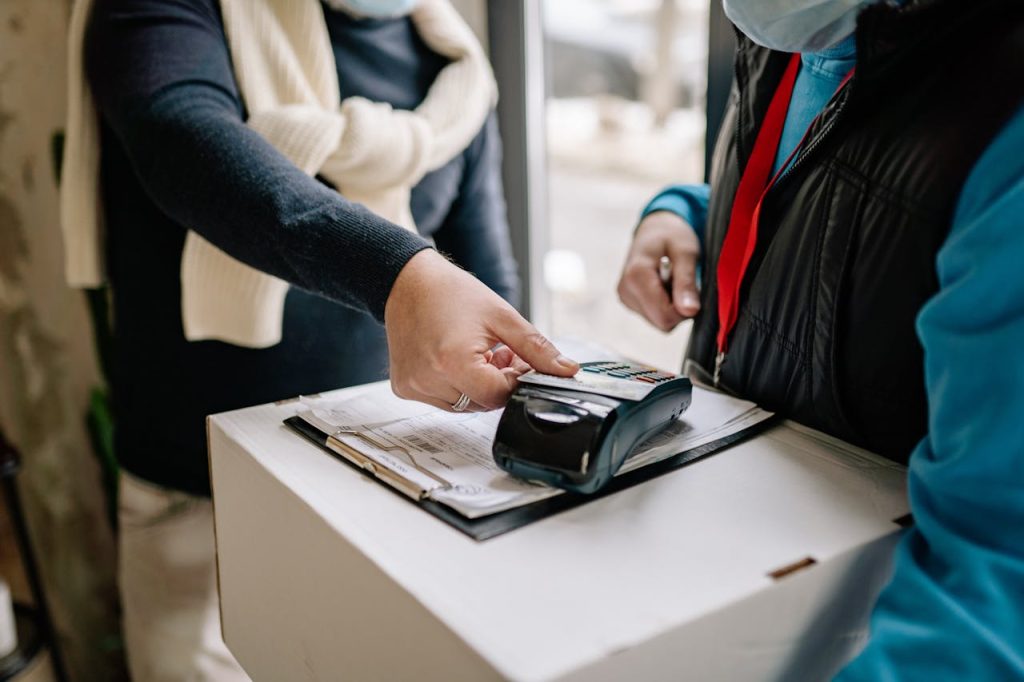
Traditional countertop terminals are the most common type, often seen in retail stores and restaurants. They connect to the internet or phone lines and are ideal for businesses with a fixed point of sale. These terminals are durable and capable of handling high transaction volumes, making them a reliable choice for high-traffic environments.
For businesses on the go, mobile card readers offer unmatched flexibility. These compact devices connect to smartphones or tablets, allowing merchants to accept payments anywhere. They are particularly popular among service providers like contractors, freelancers, and food trucks.
Another advanced option is smart terminals. These devices combine payment processing with additional features like inventory management, customer data tracking, and loyalty program integration. They are suitable for businesses looking for an all-in-one solution to streamline their operations.
Contactless or NFC-enabled terminals have become increasingly popular due to the growing adoption of tap-to-pay and mobile wallet technologies. These terminals offer quick and secure payment options, catering to tech-savvy customers who value speed and convenience.
For online businesses or those handling remote payments, virtual terminals are a game-changer. They eliminate the need for physical hardware, enabling payments to be processed through a computer or smartphone. This solution is ideal for e-commerce platforms, freelancers, or any business conducting phone or mail orders.
Key Features to Consider When Choosing a Terminal
Choosing the right credit card terminal requires evaluating several features to ensure it aligns with your business requirements. Compatibility is one of the most critical factors. The terminal should integrate seamlessly with your existing Point of Sale (POS) system, accounting software, or customer management tools. This integration ensures smoother operations and better data tracking.
Security is another crucial consideration. With rising concerns about data breaches and fraud, businesses must invest in terminals with robust security measures. Look for devices that are EMV-compliant and offer end-to-end encryption to safeguard customer information.
Transaction speed also plays a vital role, especially for businesses handling a high volume of sales. Slow terminals can frustrate customers and disrupt workflows, whereas fast-processing devices enhance the overall experience.
Connectivity options should also align with your business setup. Some terminals operate via Wi-Fi or Ethernet, while others connect through Bluetooth or mobile networks. Choose a terminal that supports your environment, whether stationary or mobile.
Finally, evaluate the cost and fees associated with the terminal. Consider upfront expenses, subscription fees, and transaction charges to understand the total cost of ownership. Balancing functionality and affordability ensures a sound investment.
Matching the Terminal to Your Industry Needs
Each industry has unique requirements, and choosing a terminal that meets these needs is essential for maximizing efficiency and customer satisfaction.
Retail Businesses: For retail stores, retail credit card terminals with robust features like inventory tracking and receipt printing are crucial. These terminals should be durable and capable of handling high transaction volumes, especially during busy periods like holiday sales. NFC-enabled devices can also enhance customer experience by enabling quick contactless payments.
Restaurants and Cafes: In the food and beverage industry, restaurant payment devices are indispensable. Portable terminals that facilitate tableside payments not only speed up service but also improve customer convenience. Integration with restaurant management software allows for smoother operations, including splitting bills and tracking orders.
E-commerce Platforms: Online businesses require virtual terminals that integrate seamlessly with their websites. These solutions provide flexibility for accepting payments remotely and are particularly beneficial for companies handling subscriptions or recurring payments. Tailored solutions like these ensure secure and efficient transactions.
Service-Based Businesses: Professionals like beauty therapists, plumbers, or tutors often operate on the go. Mobile card readers are ideal for these scenarios, as they enable payments to be accepted at various locations. The portability and convenience of these devices enhance client satisfaction and streamline payment collection.
Seasonal Businesses: For businesses operating at events, fairs, or pop-up shops, cost-effective and portable options are essential. These devices should be easy to set up and handle multiple payment methods, ensuring flexibility during peak seasons.
Evaluating Providers: What to Look For
Choosing a credit card terminal is not just about the hardware; it’s also about the provider. A reliable provider ensures seamless installation, ongoing support, and transparent pricing. Start by researching the provider’s reputation. Look for reviews from businesses in your industry to understand their experiences with the company’s services and customer support.
Pricing transparency is crucial. Some providers may advertise low upfront costs but have hidden fees for transactions, maintenance, or software updates. Ensure you understand the complete cost structure before committing.
Scalability is another important factor. As your business grows, your payment processing needs may evolve. Choose a provider that offers scalable solutions, allowing you to upgrade or add features as needed.
Lastly, consider the provider’s track record in your industry. A company that has experience offering tailored solutions to businesses like yours is more likely to understand your specific needs and challenges.
Common Pitfalls to Avoid When Selecting a Terminal
Many businesses make mistakes when choosing credit card terminals, leading to inefficiencies and unnecessary costs. One common pitfall is selecting a terminal that doesn’t align with the business model. For instance, a stationary terminal may not suit a mobile business, and vice versa.
Another mistake is ignoring the total cost of ownership. While some terminals may seem affordable initially, additional fees for software, maintenance, or transaction charges can add up over time. Evaluate the long-term costs to ensure the solution fits your budget.
Security is often overlooked, yet it’s one of the most critical aspects of payment processing. Investing in a terminal without adequate security features can expose your business to fraud risks, damaging your reputation and financial stability.
Lastly, neglecting customer preferences can impact satisfaction. For example, failing to offer contactless payment options might frustrate tech-savvy customers. Always consider the preferences and habits of your target audience when making your decision.
Conclusion
Choosing the right credit card terminal is a vital step in optimizing your business operations and improving customer satisfaction. By understanding the various types of terminals, evaluating key features, and aligning the choice with your industry-specific needs, you can make an informed decision that benefits both your business and your customers.
Whether you’re running a retail store, a restaurant, or an online platform, the right payment solution can streamline transactions, enhance security, and adapt to changing consumer trends. Take the time to research, compare options, and consult with providers to ensure you invest in a terminal that supports your goals and scales with your business.


Leave a Reply