Menu

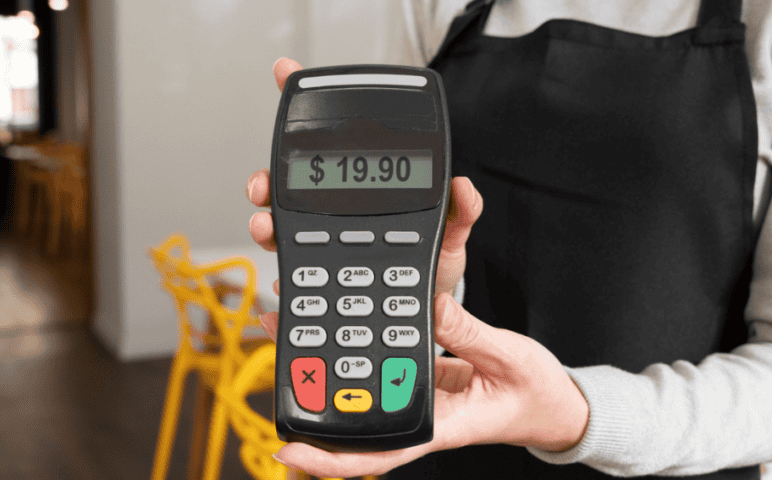
Future of Payment Terminals: From Smart Devices to Fully Automated Checkout
By John Misarti July 20, 2026
The way people pay for goods and services has changed dramatically over the past two decades. Cash, which was once the primary payment method for everyday purchases, now shares the checkout counter with debit cards, credit cards, contactless payments, digital wallets, QR codes, wearable devices, and mobile payment applications. Consumers have embraced these technologies because they make transactions faster, more convenient, and more secure. At the same time, businesses have invested in modern payment infrastructure to improve customer experiences and streamline daily operations.
Payment terminals have developed along with these changing requirements. The conventional card machines, which can only process payments, will be gradually replaced by intelligent terminals that can manage inventory, run customer loyalty programs, generate e-receipts, provide cloud-based reporting, and conduct business analytics. Such multipurpose terminals will be the main operational system rather than payment equipment only. With continuing technological advancements, payment terminals will become even more important for such industries as retail, hospitality, healthcare, transport, and many others.
The future belongs to connected, intelligent, and automated checkouts where payments will be performed quicker, in a more personalized way, and almost imperceptible to the customer. In order to be ready for future payment terminals, one should understand their evolution, emergence of automated checkout systems, next generation POS system features, and the whole retail payment innovation space.
How Payment Technology Has Evolved
The payment terminals have seen an amazing transformation over the years. The early terminals were designed almost entirely for magnetic stripe card payments. The businesses used different machines for various activities like inventory, accounting, customer information, and payments.
However, with advancement in technology, the payment terminals started including support for chip card payments, contactless payments, digital wallets, and cloud connectivity. With the passage of time, businesses began to use payment terminals that could meet all their needs.
Modern future payment terminals are also a part of this process where the payment terminals along with other software help the businesses.
Changing Customer Expectations
In the contemporary world, people are looking for convenience at each stage of the shopping process. Queues, complex payments, and the lack of payment options are becoming major factors that can affect the buying decision of an individual. Now, people have started expecting businesses to easily accept contactless cards, mobile payments, and other forms of payment.
Similarly, speed has also become crucial to consumers. While shopping at supermarkets, cafes, or stores, people like it when transactions happen fast with them receiving digital receipts and rewards instantly. Changing consumer expectations are thus fueling innovations in retail payments.
What Makes Modern Payment Terminals Different?
Today’s payment terminals do much more than accept card payments. They are integrated into the management of inventory, CRM tools, accounting systems, employee scheduling, e-commerce and sales analysis.
Connectivity through the cloud gives managers access to their business activities from remote places and provides real-time business intelligence. Screen controls make payment devices more user-friendly and allow for creating custom applications for various sectors.
The development of the next generation of POS technologies is indicative of this trend towards smart business systems instead of traditional payment devices.
The Rise of Smart Payment Devices
Modern payment terminals resemble tablets rather than typical card machines. Such terminals allow the downloading of applications, wireless communication, scanning bar codes, loyalty programs, and capturing of digital signatures.
Companies gain from increased flexibility due to the fact that software upgrades add features to the terminal without replacing the whole terminal.
Such innovations show how payment terminals evolve into becoming a part of daily business processes.
Contactless Payments Continue Growing
Contactless payments have become one of the most significant developments in recent years. Customers increasingly prefer simply tapping cards, smartphones, or wearable devices rather than inserting cards or handling cash.
This payment method reduces transaction times while supporting greater convenience in busy retail environments. Businesses also benefit from faster customer flow, particularly during peak trading periods.
Growing contactless adoption continues influencing retail payment innovation as businesses invest in technologies supporting faster and more flexible customer experiences.
Cloud Connectivity Changes Everything
With the use of the cloud, payment systems provide access to operational data from anywhere. Managers keep track of sales, inventories, customer behavior, and payments even when not physically present in all places.
Moreover, automatic updates of software contribute to increased safety and introduce new functions faster than locally installed ones do. Companies with multiple locations can take advantage of centralised management through the use of cloud technology.
The integration of the cloud is an indispensable element of modern next-gen POS technology.
AI and Payment Technology
AI is becoming widely used in payment systems in relation to fraud prevention, personal promotions, customer insights, prediction of inventory, and business analytics. AI does not replace the human decision-making process but rather assists companies to act promptly to changes occurring in the environment.
Payment terminals of the future may suggest making an inventory purchase, detect suspicious transactions, schedule the right number of employees, or suggest personalized offers to customers based on their history of purchases.
The intelligence that such terminals will possess is a critical component of future payment terminals.
Automated Checkout Systems Become More Common
Retailers are exploring technologies allowing customers to complete purchases with minimal staff involvement. Self-service kiosks, scan-and-go applications, mobile payment systems, and sensor-based shopping experiences reduce waiting times while improving operational efficiency.
Although fully automated environments remain relatively limited today, ongoing technological development continues expanding practical applications across different industries.
Growing adoption of automated checkout systems reflects broader efforts to simplify shopping while maintaining secure and accurate transaction processing.
Balancing Automation With Human Service
While there is great value in automation, the need for personal customer service in retail cannot be overlooked. Difficult sales decisions, recommendations, returns, and personalized services require the expertise of trained staff members.
Efficient organizations maintain a balance between the two through automation carrying out mundane tasks, with the staff handling customer service. The advancements in payment systems in retail thus support rather than replace the need for personal service.
Improving Business Efficiency
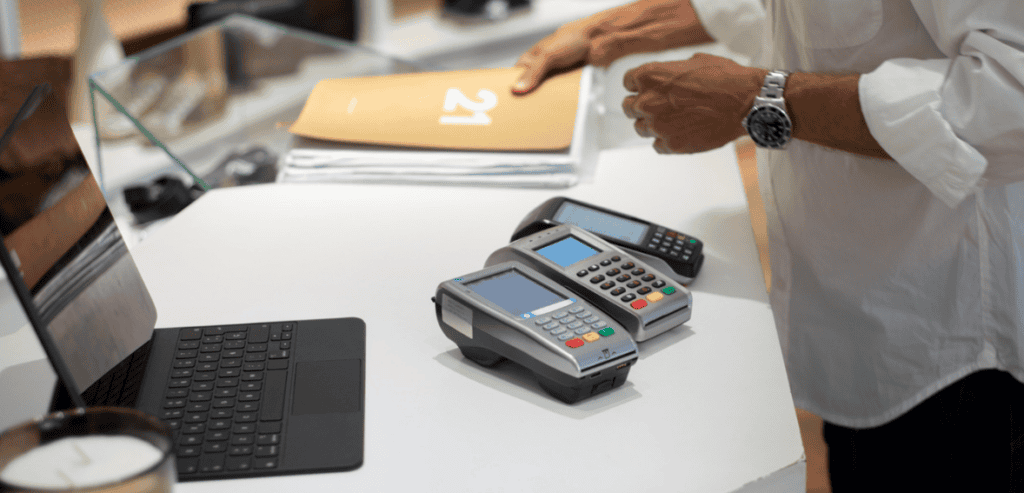
The integrated payment terminals also make a lot of processes more efficient apart from handling the payments of customers. The inventory is updated automatically, the loyalty programs reward the members instantly, and the financial reports can be generated automatically as well.
With all this, the organization does not have to spend much time on administrative tasks but will also benefit from the increased accuracy of the reports and decreased chances of making mistakes in the operations.
Supporting Omnichannel Retail
Today, consumers engage with companies through various means, including retail locations, websites, mobile apps, social media sites, and online shopping malls. Payment systems need to ensure that customers have an easy experience no matter from which POS the buying begins.
In the integrated system, customer data, loyalty points, inventory status, and purchase history are kept in sync through all sales channels. Companies keep their services consistent while gaining insight into their operations.
This shows how the future payment terminals can play a part in the overall digital commerce plan.
Security Remains a Top Priority
As payment technology evolves, cybersecurity remains one of the industry’s highest priorities. Payment terminals process sensitive financial information requiring robust encryption, authentication, software updates, and compliance with security standards.
Businesses must balance convenience with appropriate safeguards protecting both customer information and operational integrity. Modern payment devices increasingly incorporate biometric authentication, tokenisation, and advanced encryption technologies.
Security continues driving retail payment innovation because customer confidence depends on safe and reliable payment experiences.
Mobile Businesses Benefit From Portable Solutions
Portable payment terminals have expanded opportunities for businesses operating beyond traditional storefronts. Food trucks, market vendors, delivery services, event organisers, field technicians, and service professionals now process secure payments almost anywhere.
Wireless connectivity, battery operation, and cloud synchronisation provide flexibility without sacrificing functionality. Customers enjoy the same convenient payment experiences regardless of location.
Portable next-gen POS technology demonstrates how payment innovation supports increasingly mobile business environments.
Data-Driven Decision Making
Modern payment systems generate valuable operational information extending far beyond transaction totals. Businesses gain insights into customer preferences, purchasing behaviour, seasonal demand, product performance, and sales trends.
Managers use this information to optimise inventory, staffing, pricing, promotions, and customer engagement strategies. Better decisions become possible because payment systems continuously collect meaningful business intelligence.
These analytical capabilities make future payment terminals increasingly valuable as strategic management tools.
The Role of Digital Receipts and Loyalty Programmes
Paper receipts are gradually being replaced by digital alternatives delivered through email, text message, or mobile applications. Digital receipts simplify record keeping while reducing paper consumption and supporting environmental sustainability.
Integrated loyalty programmes also allow customers to earn rewards automatically during checkout without separate membership cards or manual processes. Personalised offers strengthen customer engagement while encouraging repeat business.
These developments continue advancing retail payment innovation by creating more connected customer experiences.
Challenges Businesses Must Consider
Although payment technology offers numerous advantages, businesses must evaluate implementation carefully. Hardware costs, software integration, employee training, cybersecurity, internet reliability, and ongoing technical support all influence successful adoption.
Choosing flexible systems capable of adapting to future developments reduces the likelihood of expensive technology replacement as customer expectations continue evolving.
Investing thoughtfully in automated checkout systems requires balancing innovation with practical operational requirements.
Looking Ahead
Payment technology will continue evolving through AI, biometric authentication, voice commerce, wearable payments, blockchain applications, Internet of Things integration, and increasingly seamless customer experiences.
Many future transactions may occur almost invisibly as connected devices automate routine purchasing decisions while maintaining appropriate security controls. Businesses prepared to embrace these innovations will likely enjoy competitive advantages as customer expectations continue changing.
Ongoing development of future payment terminals will shape not only how customers pay but also how businesses manage operations, analyse performance, and deliver personalised service.
Conclusion
Payment terminals have evolved far beyond simple card processing devices into intelligent business platforms supporting customer service, operational efficiency, inventory management, financial reporting, and strategic decision-making. As technology continues advancing, businesses can expect even greater integration between payment processing and everyday operations.
The growth of future payment terminals, increasing adoption of automated checkout systems, continued development of next-gen POS technology, and rapid pace of retail payment innovation will reshape how businesses and customers interact during every transaction. These technologies promise faster payments, improved security, greater convenience, and more efficient operations across countless industries.
While automation and digital transformation will continue changing the checkout experience, successful businesses will remain focused on balancing innovation with excellent customer service. By embracing modern payment technologies thoughtfully and strategically, organisations can create smoother purchasing experiences while preparing confidently for the future of retail commerce.


Leave a Reply