Menu


Essential Security Features in Modern Credit Card Terminals
By John Misarti December 4, 2024
In a time when digital payments are commonplace, safeguarding the security of credit card transactions is vital. The use of contemporary credit card terminals featuring enhanced security protocols aids in safeguarding both customers and retailers against fraud and data theft.
Encryption: Protecting Data in Transit
Encryption is a cornerstone of credit card terminal security. This technology ensures that sensitive information, such as credit card numbers and expiration dates, is scrambled into an unreadable format during transmission. This means that even if data is intercepted, it cannot be deciphered without the proper decryption key.
Contemporary terminals utilize E2EE, a method that ensures data is encrypted at the origin (the terminal) and stays encrypted until it arrives at the payment processor. This approach removes possible weaknesses while data is being transmitted. For example, if cybercriminals try to capture the information, the encrypted style makes it ineffective.
Encryption not only protects consumers but also shields businesses from financial losses and reputational damage caused by data breaches. As regulatory bodies like PCI DSS demand higher standards, businesses adopting encrypted systems are better equipped to meet compliance requirements. Consumers can trust that their sensitive information remains secure, reinforcing the importance of encryption in credit card terminal security.

EMV Technology: Enhanced Security for Chip Cards
EMV technology revolutionized payment security by introducing microchips into credit cards. Unlike magnetic stripe cards, which store static information that is easily cloned, EMV cards generate a unique transaction code for every purchase. This makes it nearly impossible for fraudsters to reuse stolen data.
When EMV compliance became mandatory in the U.S. in 2015, businesses faced a critical shift. While the transition was initially challenging for small merchants, the results were undeniable. A report by Visa revealed that EMV adoption led to a 76% reduction in counterfeit card fraud for chip-enabled merchants within just a few years.
EMV technology supports both contact and contactless transactions, improving security and convenience. The ever-changing characteristics of EMV transactions indicate that even if information from a single purchase is compromised, it cannot be utilized again. This characteristic has established EMV as an international standard and an essential component of contemporary credit card terminals.
Tokenization: Replacing Sensitive Data with Secure Tokens
Tokenization is another pivotal innovation in credit card terminal security. This process replaces sensitive card data with a unique token, which is a randomly generated string of characters. These tokens are meaningless outside their intended context, reducing the risks associated with storing or transmitting sensitive data.
Mobile wallets such as Apple Pay and Google Pay rely on tokenization. When a customer taps their phone to pay, the terminal receives a token instead of the actual card number. This means even if hackers breach the system, they cannot access the real card information.
Tokenization has emerged as an essential tool for e-commerce companies as well. Internet retailers utilize tokens to securely handle recurring transactions. For instance, subscription services may keep tokens to charge clients every month without needing to retain sensitive card information. Through the use of tokenization, both companies and customers gain improved security against data breaches and fraudulent activities.
PCI DSS Compliance: Setting Industry Security Standards
The PCI DSS is a set of security requirements aimed at protecting cardholder data. Compliance with PCI DSS is mandatory for any business handling credit card transactions, and modern terminals are designed to simplify this process.
Key PCI DSS requirements include encrypting stored data, maintaining secure networks, and conducting regular security audits. Terminals with built-in compliance features, such as automatic software updates and encryption protocols, help merchants meet these standards effortlessly.
Compliance isn’t just about avoiding penalties—it’s about fostering trust. Customers are more likely to shop at businesses that prioritize security. PCI DSS-compliant terminals not only protect sensitive information but also enhance the overall consumer experience by reducing the likelihood of fraud.
Biometric Authentication: A New Layer of User Verification
Biometric authentication is a cutting-edge technology that adds an additional layer of security to credit card terminals. It uses unique physical characteristics—such as fingerprints, facial features, or even voice patterns—to verify a user’s identity.
Fingerprint authentication is already widely used in mobile payments. Terminals equipped with biometric readers can authenticate users without requiring PINs or passwords. This minimizes the risk of unauthorized access, as biometrics are virtually impossible to replicate.
Although the incorporation of biometrics into conventional card terminals continues to expand, its possibilities are vast. For instance, voice recognition technology might be utilized in call centers to verify transactions, while facial recognition could soon be commonplace in self-service kiosks. Biometric authentication boosts security while increasing user convenience, leading to a smooth and safe payment experience.
Contactless Payments: Convenience Without Compromising Security
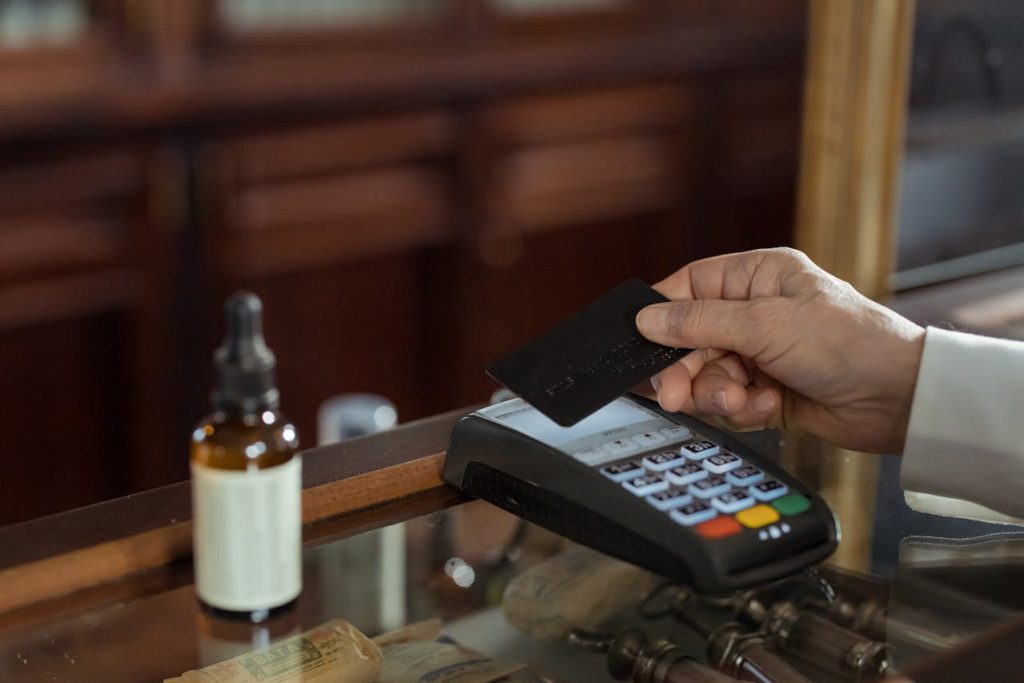
Contactless payments have gained immense popularity, especially in the wake of the COVID-19 pandemic. Using NFC technology, contactless payments allow customers to complete transactions by simply tapping their card or mobile device on a terminal. This method eliminates the need for physical contact, speeding up transactions and enhancing convenience.
Nonetheless, convenience is not achieved by compromising security. Every contactless transaction produces a distinct, single-use cryptogram, guaranteeing the security of sensitive data. Moreover, contactless payment systems frequently impose transaction limits, necessitating extra verification (like a PIN) for larger amounts.
The integration of contactless technology with EMV compliance further strengthens its security. Merchants benefit from faster transaction times, while consumers enjoy a hassle-free and secure payment experience. As contactless payments continue to rise, their robust security measures ensure they remain a trusted option.
Fraud Detection and Monitoring: Real-Time Protection
Modern credit card terminals go beyond static security measures by incorporating real-time fraud detection systems. These systems use advanced algorithms and machine learning to monitor transaction patterns and identify anomalies that could indicate fraudulent activity.
For instance, if a cardholder’s spending suddenly deviates from their usual habits—such as making multiple high-value purchases in quick succession—the system flags the transaction for further review. Some terminals can even communicate with the card issuer instantly, enabling a swift response to potential threats.
Real-time fraud surveillance safeguards merchants as well as consumers. It lessens financial losses, decreases chargebacks, and fosters trust within the payment ecosystem. As con artists grow more advanced, the capability to identify and stop fraud instantaneously is an essential aspect of contemporary credit card machines.
Conclusion
The security features embedded in modern credit card terminals—such as encryption, EMV compliance, tokenization, and biometric authentication—are critical for protecting sensitive data and fostering trust in digital payments. As technology continues to advance, these features will evolve to address emerging threats, ensuring that credit card terminal security remains robust and reliable.
Both consumers and merchants contribute to upholding this security. By selecting secure terminals and remaining knowledgeable about best practices, we can collectively diminish fraud and establish a safer financial environment. In an era where online transactions reign, investing in reliable payment systems is not merely an option—it’s essential.


Leave a Reply