Menu

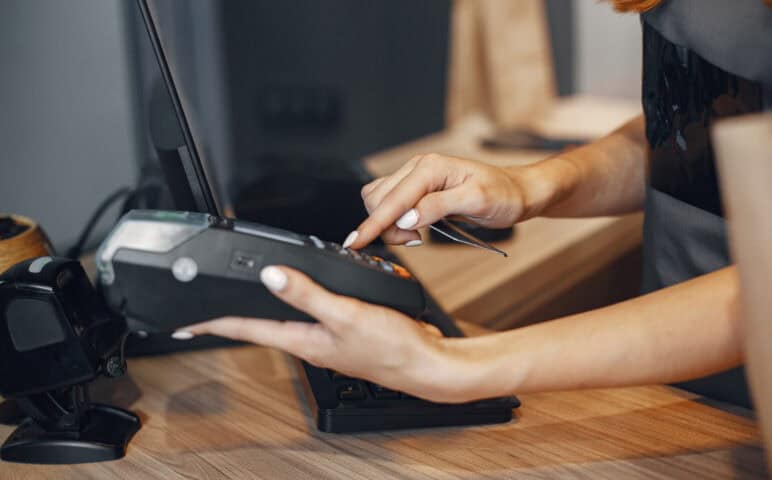
From EMV Chip to Encryption: Modern Technologies Powering Secure Terminals
By John Misarti May 8, 2025
As digital payments continue to rise in popularity, the importance of secure payment technologies has never been more critical. In an era where data breaches and identity theft are ongoing threats, merchants and consumers alike are placing more trust in the capabilities of secure payment systems. Among these technologies, EMV chip security and encrypted terminals play central roles in protecting cardholder information and reducing fraud.
The Shift from Magnetic Stripes to EMV Chips
Magnetic stripe cards were the norm for in-person credit and debit transactions for a long time. They were susceptible to a variety of fraudulent practices, including data cloning and card skimming, though. EMV, which stands for Europay, MasterCard, and Visa, is a more secure method that the financial industry developed in response to this risk. With the introduction of dynamic authentication, EMV chip security revolutionized the game. EMV chips create a distinct transaction code for every payment, in contrast to magnetic stripes that store static data. It is practically impossible for hackers to clone a card using historical data because this code cannot be reused.
EMV Chip Security as a Global Standard
Since the introduction of EMV chips, adoption has grown rapidly across the globe. Countries like the United Kingdom, Canada, and Australia were among the first to embrace this technology. The United States followed suit in 2015 with the implementation of a liability shift that placed responsibility for fraudulent transactions on merchants who failed to upgrade to EMV-capable terminals. The effectiveness of EMV chip security is clear.
Card-present fraud in EMV-compliant environments has significantly decreased, thanks to the chip’s ability to secure data at the point of sale. Merchants who upgraded their hardware not only improved security but also avoided potential liability for counterfeit fraud. While EMV technology is excellent at preventing in-person fraud, it is only one piece of a broader puzzle. As mobile payments and card-not-present transactions increase, the need for additional layers of protection has become urgent.
Encrypted Terminals: Safeguarding Data in Transit
After EMV technology was widely adopted, attention shifted toward encrypting payment data during its transmission. This gave rise to encrypted terminals, which ensure that sensitive cardholder information is rendered unreadable from the moment it is captured. Encrypted terminals use advanced encryption protocols to secure data at the source. Once a customer taps, dips, or swipes their card, the data is instantly encrypted within the terminal. It remains in this protected state until it reaches the payment processor’s secure servers.
Why Encrypted Terminals Matter
The ability of encrypted terminals to lower the possibility of data interception is their main advantage. While passing through the merchant’s network, cardholder data in unencrypted systems is susceptible to malware or hardware-based attacks. By making the data unusable to anyone attempting to steal it while it is being transmitted, encrypted terminals remove this vulnerability. In high-volume retail settings with numerous terminals linked to a central network, this is particularly crucial.
The system as a whole could be compromised if just one access point is not secure. Businesses establish a consistent defense barrier for each transaction by utilizing encrypted terminals. Furthermore, a lot of encrypted terminals now have contactless support, mobile wallet compatibility, and secure PIN entry features, making them a complete answer to contemporary retail requirements.
Tokenization: Replacing Sensitive Data with Safe Alternatives
Another powerful technology that complements EMV chip security and encrypted terminals is tokenization. While encryption protects data in transit, tokenization protects it at rest. When a payment is processed, tokenization replaces sensitive card details with a randomly generated string known as a token. This token can be stored in databases or reused for recurring transactions without exposing the original card information. Only the payment processor holds the key that maps tokens back to real card data.
The Role of Tokenization in Secure Payment Methods
Tokenization is particularly useful for e-commerce platforms, subscription services, and mobile apps. It allows businesses to store customer payment preferences securely without holding actual card data. This reduces the risk of large-scale data breaches and helps businesses stay compliant with security standards. In tandem with EMV chip security and encrypted terminals, tokenization provides a complete security ecosystem that protects data during all stages of the payment process. These technologies reinforce each other, reducing vulnerabilities and offering peace of mind for both merchants and customers.
Secure Payment Methods Across Different Channels
Today’s consumers expect flexible, fast, and secure payment options. Whether shopping in-store, online, or via mobile, they demand convenience without compromising security. As a result, modern businesses must offer secure payment methods across all customer touchpoints. EMV terminals serve brick-and-mortar locations, encrypted terminals protect transactions in dynamic retail environments, and tokenization secures digital platforms. Together, they create an omnichannel strategy that safeguards every transaction, regardless of the method used.
Adapting to Contactless and Mobile Payments
Convenience, shifting consumer behavior, and health concerns have all contributed to the growth of contactless payments. Tap-to-pay cards, Apple Pay, Google Pay, and other mobile wallet services can be accepted by EMV-enabled terminals that also support NFC. Contactless transactions are very safe and quick. They employ encryption and tokenization in a manner akin to chip payments. When paired with smartphone biometric authentication, they provide one of the safest payment methods on the market right now. Offering these safe payment options is more than just a trend for retailers. It’s a tactical benefit. Consumers are more inclined to trust and stick to companies that put their safety first.
Compliance and Industry Standards
Adopting EMV chip security and encrypted terminals is not just good practice. In many cases, it is required for compliance with industry regulations. The PCI DSS sets strict guidelines for how merchants must handle cardholder data. Using secure payment methods helps businesses meet PCI DSS requirements more easily. Encrypted terminals and tokenization reduce the scope of compliance, making audits simpler and reducing risk exposure. In addition to PCI compliance, merchants who invest in secure terminals may also benefit from lower insurance premiums, improved customer reviews, and fewer chargebacks due to fraudulent transactions.
The Cost of Not Adapting
Some merchants resist upgrading to modern terminals due to cost concerns or a reluctance to change established processes. However, this hesitation can be expensive in the long run. Businesses that do not use EMV chip security may be held financially responsible for fraudulent transactions. Similarly, those lacking encrypted terminals are more susceptible to data breaches, which can result in financial loss, legal consequences, and reputational damage. In contrast, the investment in secure payment methods often pays off through increased customer trust, reduced fraud, and improved operational efficiency.
Choosing the Right Terminal for Your Business
When choosing a terminal, a number of considerations must be made, such as the accepted payment methods, cost, security features, and integration with current systems. Although EMV compatibility is now a must, other features like encryption, tokenization, and contactless support are quickly becoming standard. Collaborate with trustworthy companies that provide software updates, technical support, and understandable documentation. Select solutions that can grow with your company and change to accommodate upcoming advancements in payment technology. Speak with payment specialists who are aware of the unique requirements of your sector. For example, a retail store might place more importance on inventory integration, while a restaurant might require tableside terminals with tipping capabilities.
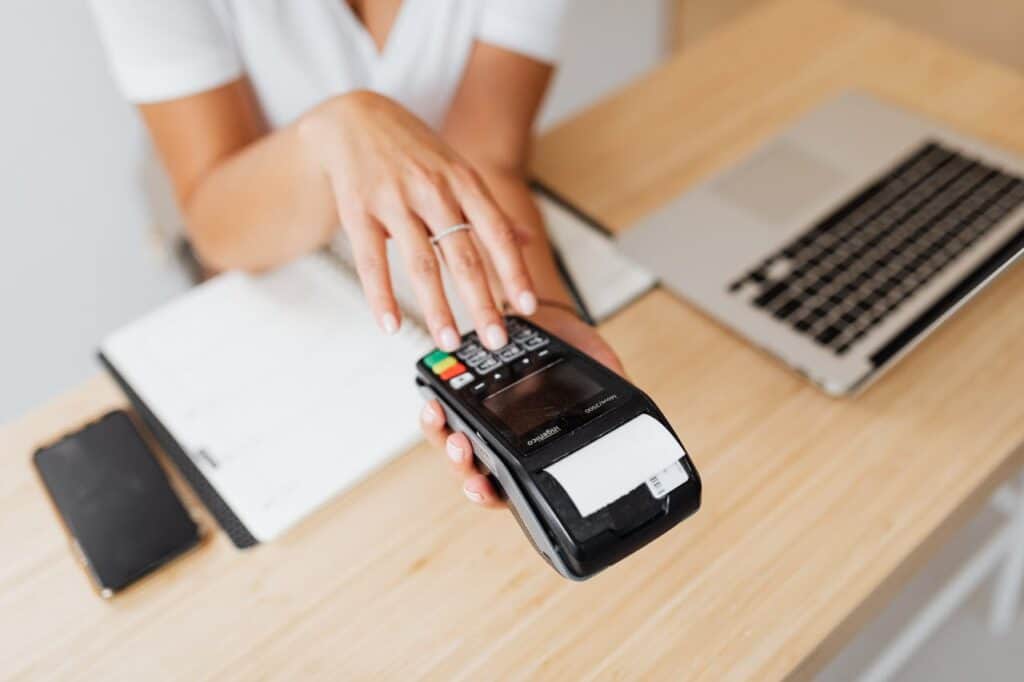
The Future of Secure Payment Technologies
As fraud techniques evolve, so too must payment security. Emerging technologies such as biometric verification, artificial intelligence, and blockchain-based payments are being explored to further secure transactions. Biometric features like fingerprint or facial recognition can be added to payment terminals for an extra layer of authentication. AI can detect fraudulent patterns in real-time and prevent suspicious transactions before they occur.
Meanwhile, decentralized technologies offer the promise of secure, transparent, and efficient payment systems. While still in early stages for mainstream adoption, they could complement or even replace current systems over time. What is clear is that EMV chip security and encrypted terminals are foundational. They form the core of any secure transaction system today, and they will continue to play a vital role as new technologies emerge.
Conclusion
In order to meet the demands of contemporary commerce, the landscape of secure payment methods has rapidly changed, from EMV to encryption. Card-present fraud was considerably decreased with the implementation of EMV chip security. Tokenization made sure that even stored data was secure, and encrypted terminals further protected data while it was being transmitted. Businesses can now safely accept payments, adhere to industry standards, and gain the trust of their clients thanks to these innovations.
Investing in these technologies is not solely about preventing fraud for merchants. It is about providing the kind of safe and smooth experience that modern customers demand, fostering growth, and safeguarding brand reputation. One thing is certain as payments continue to change in the future. Nowadays, security is a must. By staying informed and proactive, businesses can ensure that every transaction is not only convenient but also safe.


Leave a Reply