Menu

What Happens When You Swipe? A Deep Dive into Encrypted Payment Transactions
By John Misarti May 6, 2025
A flurry of behind-the-scenes activity occurs in a matter of seconds each time a card is swiped at a restaurant or store. The technology involved is complex and critical, but most people hardly ever consider what is happening at that very moment. Security, particularly the encryption techniques used to safeguard sensitive data, is at the center of this procedure. The depth of contemporary payment infrastructure can be better appreciated by both consumers and business owners by knowing what happens when a credit or debit card is swiped. It can also explain the importance of robust encryption techniques in a world where cybercrime and fraud are on the rise.
The Journey Begins: Card Data Entry
A payment transaction starts the moment a cardholder swipes, taps, or inserts their card into a POS terminal. In this moment, the card reader collects important information from the magnetic stripe, chip, or contactless signal.
What the Card Reader Captures
There are several data elements on the card. These consist of the cardholder’s name, primary account number, expiration date, and sometimes other security codes. With each transaction, dynamic data is created for cards with chips. The data is static for magnetic stripes. Vulnerabilities are present here. Data can be copied or misused if it is intercepted in its raw form. For this reason, encryption needs to start at the point of entry right away. Before this data moves across networks, it is transformed into a format that is hard to understand thanks to the payment encryption process.
Card Swipe Encryption Starts Immediately
In modern systems, encryption happens within the card reader itself. This is referred to as end-to-end encryption. The moment the card is swiped, a secure encryption algorithm scrambles the information so that it cannot be read even if intercepted. This means that the terminal never stores or transmits unencrypted data. Such technology is critical to protecting customers from card skimming and other forms of data theft.

Data in Transit: From POS to Processor
Once the data is encrypted at the terminal, it is transmitted to the payment processor or gateway for authorization. This step involves several layers of security and communication.
Encrypted Tunnel to the Processor
Secure connections are used to transport encrypted data, often with the help of protocols like Transport Layer Security. This establishes a secure tunnel between the payment processor and the point-of-sale device. Because of the robust encryption, even if cybercriminals were to intercept the communication, they would only see gibberish. Additionally, the processor is unable to directly read the data. To convert the encrypted payload into information that can be used, decryption keys are required. This is an essential step in the card swipe encryption process. Without it, private card information might be revealed while being transmitted.
Gateway and Routing
Before authorization occurs, the transaction data may pass through a payment gateway. The gateway acts as a bridge between the POS system and the payment networks, formatting the request and routing it to the appropriate card issuer, whether that’s Visa, Mastercard, or another network. Even in these handoffs, transaction security is preserved through encryption. Each system involved has its own security protocol, ensuring that data remains protected throughout the journey.
Authorization: Decision in Seconds
Once the card information reaches the payment network and ultimately the issuing bank, the system must determine whether to approve or decline the transaction. This decision depends on several factors.
Verification by the Issuing Bank
The bank checks whether the account has enough funds or credit, whether the card is valid and active, and whether the transaction matches normal spending behavior. If everything checks out, the bank sends an authorization code back to the processor. Throughout this phase, encrypted data is exchanged with tightly controlled access. Only systems with the correct decryption keys and permissions can interpret the transaction information. This safeguards both the cardholder and the merchant.
Real-Time Feedback
Everything occurs within mere seconds. The POS system obtains the authorization reply and shows the result to the cashier or the customer. If authorized, the receipt will print and the transaction concludes. If rejected, the customer is usually requested to provide an alternative payment method. The payment encryption method guarantees that this swift data exchange occurs safely, without disclosing personal or financial information.
Post-Transaction: Settlement and Reconciliation
While the customer walks away with their goods or services, the work is not entirely done. Behind the scenes, the transaction goes through final steps to ensure funds are moved and records are updated.
Settlement Through the Payment Processor
At the end of the business day or after a set number of transactions, the merchant’s POS system batches the approved charges and sends them to the processor for settlement. The processor then ensures that funds are transferred from the issuing banks to the merchant’s account. This stage still benefits from card swipe encryption, as transaction data remains encrypted during storage and transmission. Secure servers and encrypted archives keep financial records safe from tampering or breaches.
Reconciliation and Reporting
Vendors get reports detailing completed transactions, any chargebacks, and the overall funds deposited. These reports additionally assist in detecting errors, fraud, or payment problems. Encryption also has a part in this. Systems managing sensitive data like card numbers or customer identities must implement secure protocols to prevent breaches during access or report creation.
The Importance of Tokenization in Ongoing Security
In addition to encryption, many payment systems use tokenization to enhance transaction security. Tokenization replaces the actual card data with a random string of characters, or token, which can be stored safely by the merchant or payment processor.
Protecting Stored Data
Tokens are useless if intercepted because they do not contain any actual card data and cannot be reverse-engineered. This makes them ideal for recurring billing, loyalty programs, or mobile wallet transactions. For businesses that store payment information, tokenization ensures compliance with security standards and reduces liability in the event of a breach. While not a direct part of card swipe encryption, tokenization complements the payment encryption process by reducing risk during data storage.
Encryption Standards and Compliance
The financial industry is subject to strict data protection standards. These include PCI DSS, which mandates how merchants and processors should handle, store, and transmit cardholder data.
PCI DSS and Encryption Requirements
Strong encryption techniques, key management, and frequent testing are all required by PCI DSS. Companies need to make sure that their payment systems and card readers adhere to these rules. Penalties, increased processing costs, or the inability to accept card payments may follow noncompliance. The problem of transaction security is not merely technical. It is a requirement for compliance that impacts operational expenses, customer trust, and company reputation.
Role of Equipment Certification
POS terminals and payment devices must be certified to meet encryption standards. This includes hardware-based encryption and tamper-resistant designs that prevent data extraction even if the device is physically compromised. Choosing certified devices and working with reputable payment processors are critical steps for maintaining secure card swipe encryption across every transaction.
Common Threats and How Encryption Helps
Cyber threats are always evolving. Hackers continue to develop methods to intercept or steal financial data. From malware on POS systems to fake card readers, the risks are real. Fortunately, encryption offers a strong defense.
Skimming and Data Theft
Skimming devices placed on card readers can capture magnetic stripe data. However, encrypted card readers make the data unreadable, rendering skimming attempts ineffective. Even if the device captures the signal, the lack of decryption keys makes the data useless.
Network Interception
Without encryption, network sniffers or other intrusion tools could intercept data as it moved between systems. Fraud and identity theft are prevented by encrypted connections, which guarantee that any stolen data cannot be decoded. Important components of a larger transaction security strategy include employing point-to-point encryption, keeping systems updated, and teaching employees to spot tampering.
The Future of Payment Encryption
As technology advances, so does the sophistication of encryption methods. The rise of contactless payments, digital wallets, and mobile point-of-sale systems has brought new challenges and solutions.
Contactless and Mobile Payments
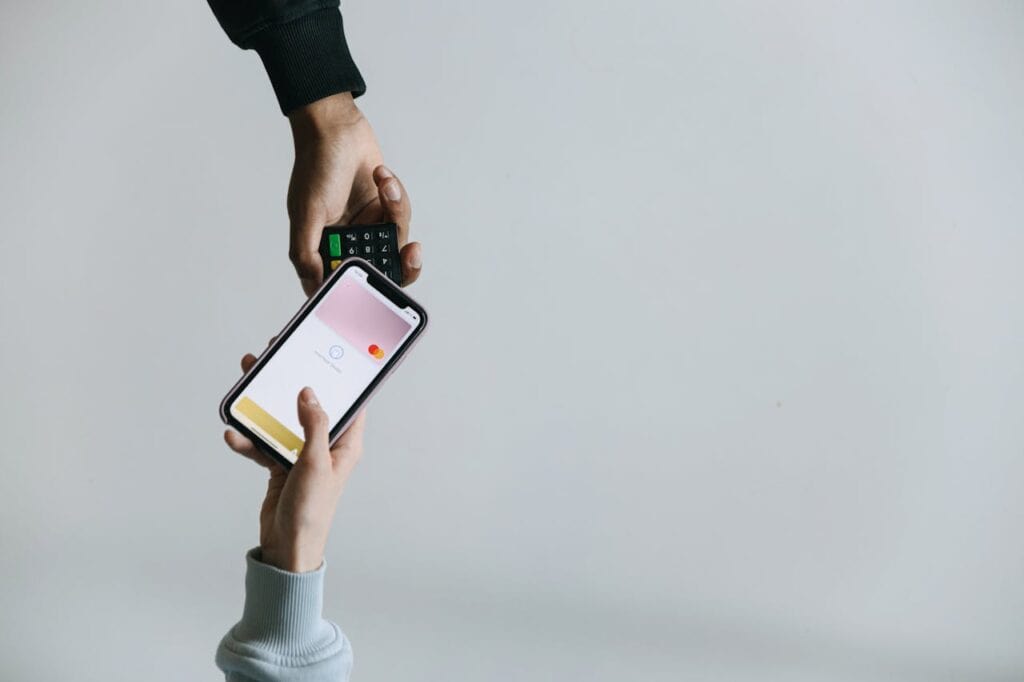
NFC is used by tap-to-pay systems to safely send encrypted data. To further protect user data, these systems often incorporate biometric authentication and dynamic tokens. Here, the same rules that govern card swipe encryption also apply. At the point of contact, data is encrypted, and it stays safe during the entire transaction.
Quantum-Resistant Encryption
While still in development, quantum computing may one day challenge current encryption algorithms. As a result, payment processors and financial institutions are already researching quantum-resistant methods that will secure future transactions against this new wave of threats. Even now, the focus remains on continuous improvement, regular audits, and adopting encryption practices that stay ahead of cybercriminal tactics.
Conclusion
A series of encrypted communications is initiated each time a customer swipes their card. Sensitive information is safeguarded from the time of the swipe until it is finally deposited into the merchant’s account thanks to this invisible network of security. Knowing how payments are encrypted shows how technology protects financial transactions in the digital age.
Transaction security and card swipe encryption are required features. They are the cornerstones of all payment systems. Employing certified equipment, adhering to industry standards, and collaborating with secure payment processors are crucial actions for companies. Encryption gives customers comfort and assurance regarding the ease of using electronic payments. As threats evolve, so too must the tools we use to fight them. But for now, every swipe, tap, or insert is backed by layers of encryption designed to protect what matters most; your financial information.


Leave a Reply