Menu

How End-to-End Encryption Works Inside Credit Card Terminals
By John Misarti May 2, 2025
The modern world runs on digital transactions. Whether it’s grabbing coffee, booking travel, or shopping online, most payments today are processed through electronic systems. With the increase in digital payment usage, protecting sensitive financial information has become more important than ever. For businesses and consumers alike, ensuring the security of credit card transactions is non-negotiable.
One of the most important tools in securing digital payments is end-to-end encryption. It’s a powerful technology that operates behind the scenes in every credit card transaction, especially those processed through modern card terminals.
The Basics of Credit Card Terminal Security
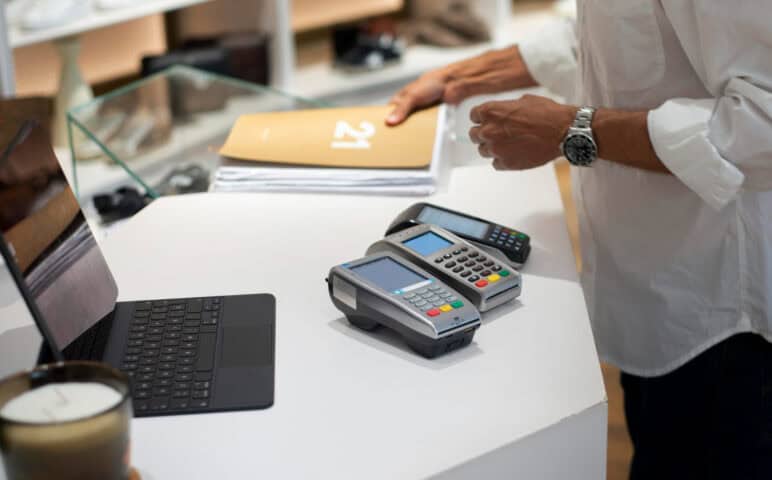
Before diving into how encryption functions, it’s important to understand the role of a credit card terminal. A credit card terminal is the device used at checkout to read payment cards, transmit payment information, and process transactions. These terminals are designed to handle card data with high levels of security, ensuring that personal and financial information remains confidential.
Credit card terminal security includes hardware design, software protocols, and communication systems. Each layer works together to prevent data theft, manipulation, and fraud. One of the most effective technologies used to protect this data is end-to-end encryption.
What Is End-to-End Encryption?
End-to-end encryption is a method of encoding data so that only the intended recipient can read it. In the context of credit card transactions, it means that cardholder data is encrypted the moment it is entered into the terminal and remains encrypted until it reaches the payment processor for decryption.
This ensures that no one—not even the merchant or the payment gateway—can view or tamper with the data while it’s being transmitted. It protects against eavesdropping, interception, and other forms of cyberattack that commonly target credit card systems.
End-to-end encryption is especially valuable in preventing point-of-sale attacks, where hackers try to access cardholder data while it is being transmitted. Because the data is unreadable during transit, it becomes useless even if intercepted.
The Encrypted Payment Flow: Step-by-Step
To understand how end-to-end encryption works inside credit card terminals, it’s helpful to walk through a typical encrypted payment flow. This process includes several stages, each designed to protect the data from start to finish.
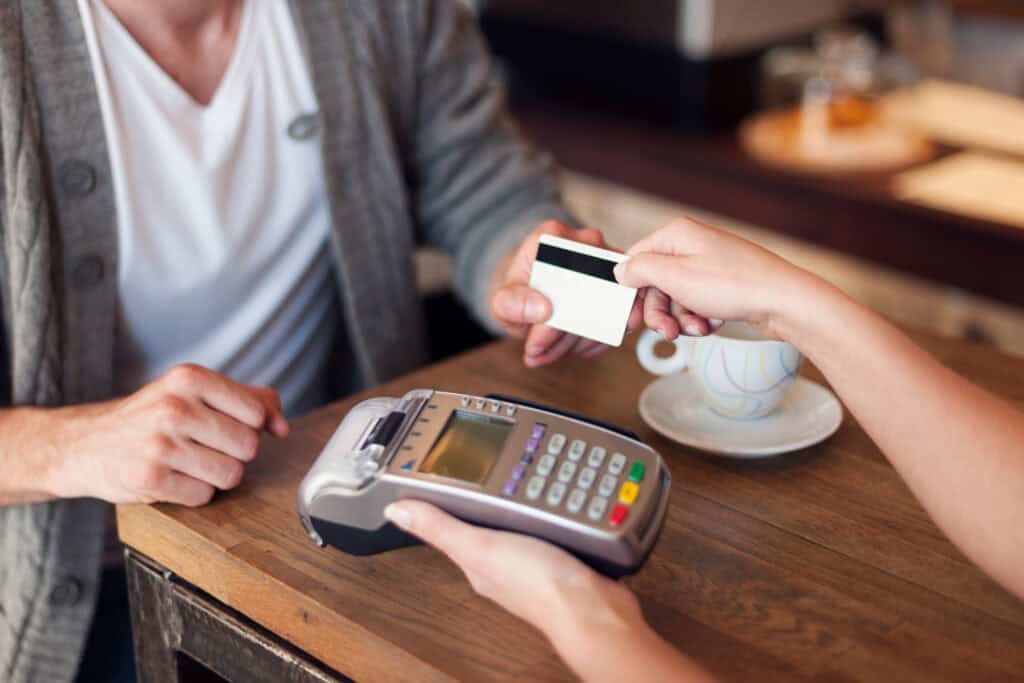
When a customer swipes, inserts, or taps their credit card, the terminal captures the card data. Immediately upon capture, the terminal’s secure encryption module encodes the information using a unique encryption key. This key is not accessible to the merchant, the cashier, or anyone else along the transaction route.
Once encrypted, the data is sent through the payment network to the acquiring bank or payment processor. The processor is the only entity that has the private key to decrypt the information. This is where the payment is verified, approved, and finalized. The entire transaction typically takes less than two seconds, even though multiple systems and layers of encryption are involved.
At no point during the transaction does the data exist in a readable format while in transit. This is the heart of credit card terminal security and is what makes end-to-end encryption so effective.
How Encryption Keys Work
The encryption process relies on the use of cryptographic keys. These keys come in pairs—one for encrypting data and one for decrypting it. In most cases, the terminal uses a public key to encrypt the card information, and the processor uses a private key to decrypt it.
These keys are generated and stored using strict security protocols. Credit card terminals are often certified by PCI standards to ensure their encryption keys cannot be extracted or misused. Even if a hacker gains access to a terminal, without the correct key, they cannot decrypt the data.
This key management process is an essential part of end-to-end encryption and is continuously updated to maintain security.
Tokenization Versus End-to-End Encryption
Many people confuse tokenization with end-to-end encryption. While both are used to enhance credit card terminal security, they function in different ways.
Tokenization replaces card data with a randomized string called a token. This token has no meaningful value outside the transaction and is useless to hackers. However, tokenization typically happens after the card data has been received by the payment processor.
In contrast, end-to-end encryption protects the data from the point of entry in the terminal, all the way to the processor. This makes it a more comprehensive form of protection during the actual transmission of sensitive information.
Both methods can and often do work together. End-to-end encryption protects the transaction in real time, while tokenization helps safeguard stored card information for future transactions, such as recurring billing or customer loyalty programs.
Why End-to-End Encryption Matters
With data breaches becoming more common, businesses must prioritize credit card terminal security. A single breach can damage a company’s reputation, result in financial losses, and expose customers to fraud.
End-to-end encryption is a reliable defense because it secures data at every step. It reduces the risk of exposure and ensures that sensitive information never travels through networks in plain text.
It also helps merchants comply with PCI DSS, which require businesses to protect cardholder data during storage and transmission. Failing to meet these standards can lead to fines, penalties, and the loss of the ability to accept card payments.
By implementing encrypted payment flow systems, merchants can demonstrate their commitment to security and reduce liability in the event of a data breach.
Choosing a Secure Credit Card Terminal
Not all terminals are created equal. Businesses that want to take advantage of end-to-end encryption should choose equipment that supports this feature by default. Most modern terminals from reputable providers are equipped with built-in encryption technology, but it’s still important to verify this when setting up payment processing.
Look for terminals that are EMV-compliant, PCI-certified, and support contactless payment methods. These features typically go hand in hand with robust encryption capabilities.
It’s also important to work with a payment processor that supports encrypted payment flow. Even if your terminal is capable of encryption, your processor must be able to receive and decrypt the data securely. Always ensure both sides of the transaction pipeline are aligned in terms of encryption standards.
The Role of Software Updates
Keeping credit card terminals updated is just as important as selecting the right hardware. Software updates often include patches for security vulnerabilities and improvements in encryption protocols.
Regular maintenance and updates ensure that your terminal stays compliant with current security standards. Outdated systems can be more vulnerable to attacks, even if they were once secure. A strong encryption system is only as reliable as the weakest link, so keeping the software up to date is critical.
Many providers offer automatic updates or notify merchants when a new version is available. Taking advantage of these updates can significantly enhance your credit card terminal security.
Challenges and Limitations
While end-to-end encryption is a powerful tool, it is not a complete solution on its own. Other vulnerabilities, such as physical tampering, weak internal policies, or unencrypted storage systems, can still put data at risk.
It is essential to combine encrypted payment flow with other best practices. These include securing network connections, restricting terminal access to authorized personnel, and educating employees about common fraud tactics.
Merchants should also avoid storing raw card data unless absolutely necessary. When stored, cardholder information must be protected by additional security layers, and end-to-end encryption should be used in combination with tokenization for ongoing protection.
Future Trends in Payment Encryption
As cyber threats evolve, so too does the technology used to combat them. Future developments in end-to-end encryption may include more widespread use of quantum encryption, biometric verification, and artificial intelligence to detect suspicious activity in real time.
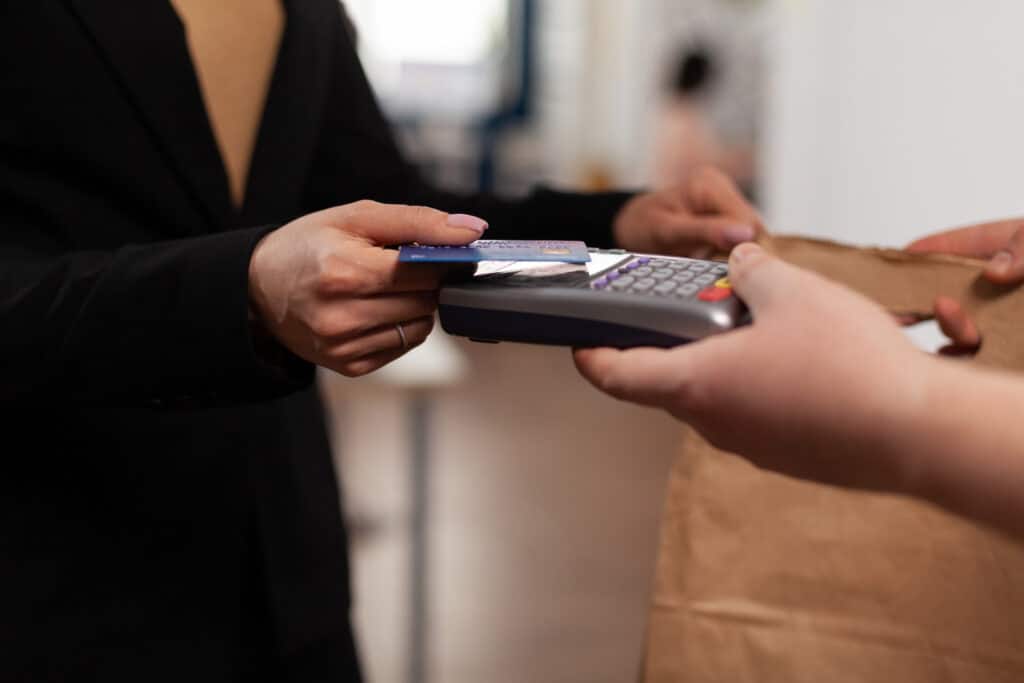
Contactless payments and mobile wallets will also play a larger role in shaping encrypted payment flow. These payment methods often use near-field communication and device-level encryption to secure data even before it reaches the terminal.
As consumer expectations for security grow, businesses that stay ahead with the latest encryption technologies will be best positioned to build trust and loyalty with their customers.
Conclusion
End-to-end encryption is one of the most effective tools available for securing credit card transactions. It plays a vital role in credit card terminal security by ensuring that sensitive payment information remains encrypted from the moment it is entered until it reaches the payment processor. By implementing encrypted payment flow, businesses can protect customer data, reduce the risk of fraud, and maintain compliance with industry regulations. As payment technology continues to evolve, so will the methods used to keep it secure. For now, understanding how end-to-end encryption works inside credit card terminals is the first step in building a safer, more resilient payment system.
Whether you are a small retailer or a growing franchise, choosing the right terminal and processor—and ensuring they support strong encryption—will help protect your business and your customers in an increasingly digital world.


Leave a Reply