Menu

The Role of NFC encryption in Contactless and Mobile Payments
By John Misarti May 26, 2025
Mobile wallets and contactless cards have become essential components of contemporary transactions in a time when quick, easy, and touchless payments are the standard. These payment methods are now widely used in our dapily lives, from waving a contactless card at a metro station to tapping your smartphone at a coffee shop. However, security concerns are growing along with the popularity of these tools.
Encryption is essential to safeguarding these online transactions. Encryption is essential for protecting financial and personal data, whether it is used in mobile wallets or NFC encryption for contactless cards. Businesses can guarantee safe payment experiences and give customers more confidence by knowing how this technology operates.
What Is Encryption in Digital Payments?
Encryption is a method of converting sensitive information into unreadable code to prevent unauthorized access. In the world of payments, it ensures that data such as card numbers, expiration dates, and transaction details are protected during a transaction. When you tap a card or phone to make a payment, the device sends encrypted data through a series of secure networks. Only authorized systems can decrypt this information. This makes it nearly impossible for hackers to intercept and misuse the data even if they gain access to the transmission channel.
Encryption is not new in banking or payments, but its role has become more prominent with the rise of contactless and mobile transactions. As more people adopt these technologies, ensuring that each tap or scan is secure has become essential.
How Contactless Card Encryption Works
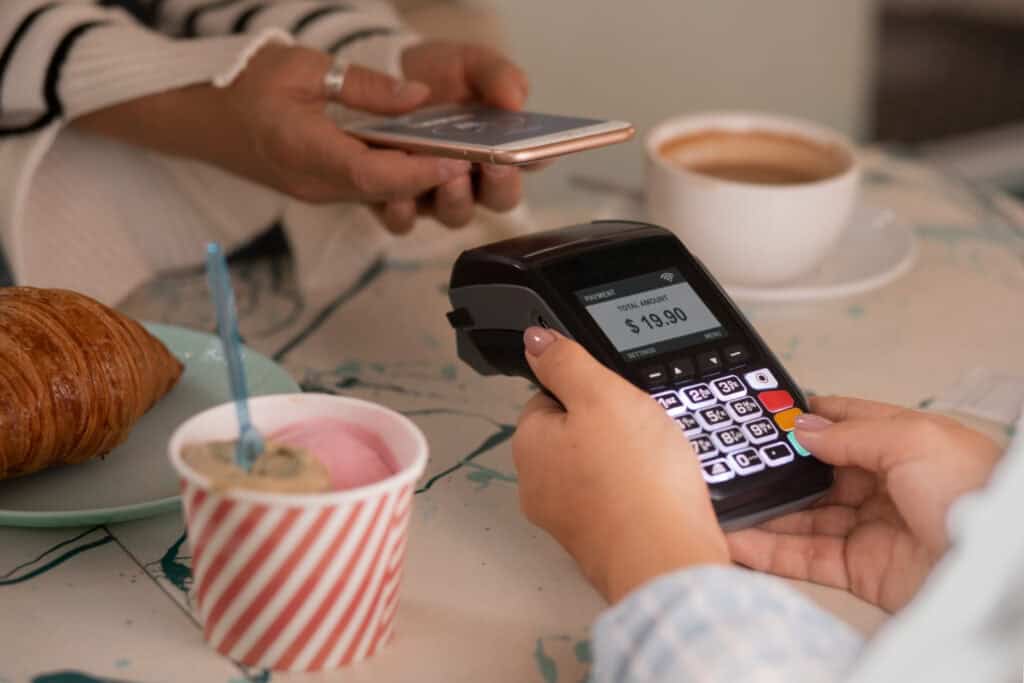
Near-field communication, or NFC, technology is the foundation of contactless card payments. NFC allows contactless cards to wirelessly transmit payment information within a very small range when they are tapped on a payment terminal. The security of the card data being transferred is guaranteed by NFC encryption. The system uses a token; a temporary, randomly generated code that represents the card; instead of sending actual card numbers. The payment network encrypts this token before sending it. Without the decryption key and the original card information, even if a cybercriminal were to intercept this data, it would be worthless.
This approach not only reduces the risk of data theft but also helps prevent fraud from counterfeit cards or card cloning. Because every tap transaction uses a unique code, the information cannot be reused for future purchases. Contactless card encryption has made these transactions both fast and safe.
Mobile Wallet Security and Encryption
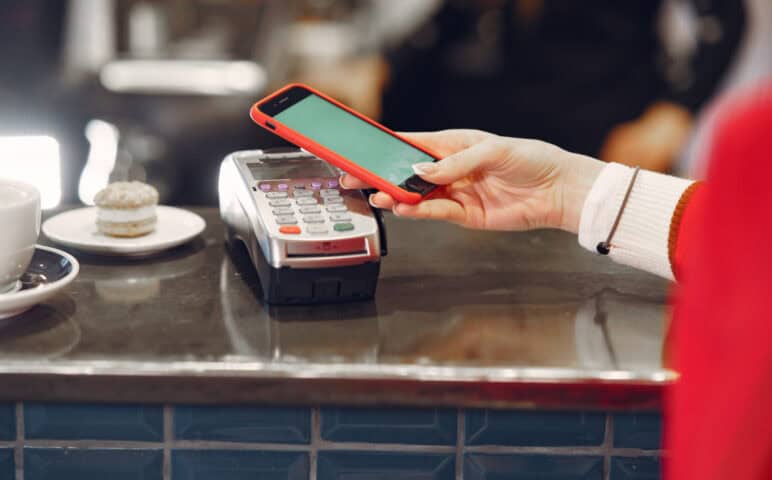
Mobile wallets such as Apple Pay, Google Pay, and Samsung Pay have taken digital payments to a new level. These applications store your payment credentials digitally and allow you to make purchases by simply unlocking your phone and tapping it at a terminal. Mobile wallet security relies heavily on encryption. Just like contactless cards, mobile wallets do not transmit the actual card number during a transaction. Instead, they use tokenization and dynamic cryptograms to mask the real information.
Each transaction generates a unique encrypted code, meaning even if a data breach occurs, the stolen information cannot be reused. On top of that, most mobile wallets are linked with biometric authentication such as fingerprint scanning or facial recognition, adding another layer of protection before a payment can be made.
Mobile wallet security also extends to how data is stored. Payment credentials are kept in secure areas of the phone’s hardware, often referred to as the secure element, and are never stored in the cloud or on the application itself in plain text. This method protects your information even if the phone is lost or stolen.
The Importance of NFC Encryption
NFC encryption is essential for protecting contactless card and mobile transactions. Since NFC transactions use short-range wireless communication, hackers in the area may be able to intercept data using specialised tools. This is where encryption comes into play. NFC encryption stops unauthorised parties from deciphering the data by encrypting the communication channel between the device and the reader. Only when the NFC chip and terminal are properly paired and authenticated will the transaction be successful.
NFC encryption not only safeguards cardholder data but also aids in confirming the device’s authenticity. It verifies that the card or mobile device satisfies the security requirements set forth by the payment network and has not been tampered with. This high level of security ensures that both consumers and merchants can rely on NFC-based payments for fast, safe, and seamless experiences. As the adoption of NFC continues to grow in public transit, retail, and even healthcare, encryption remains the backbone of this innovation.
Benefits of Encrypted Mobile and Contactless Transactions
Encryption does more than just protect data. It supports consumer trust, improves transaction speed, and helps businesses meet compliance requirements. First, consumers are more willing to adopt mobile and contactless payment methods when they know their information is secure. Encryption provides peace of mind by making data theft significantly more difficult. Second, because encrypted systems use tokens and dynamic data, there is less need for manual checks and verification steps during payment. This speeds up the checkout process, which benefits both customers and merchants.
Finally, businesses that use encrypted payment systems are better prepared to comply with industry regulations like PCI DSS. These standards require that merchants protect cardholder data, and encryption is one of the primary ways to achieve compliance. By combining speed with security, encrypted contactless and mobile payments offer a best-of-both-worlds solution for modern commerce.
Common Misconceptions About Payment Encryption
Misconceptions regarding encryption in digital payments persist despite its significance. One widespread misconception is that traditional chip cards are less susceptible to fraud than contactless cards. Compared to magnetic stripe cards, contactless card encryption is actually more secure and offers an equivalent level of security to EMV chip cards.
The idea that using a mobile wallet is less secure than using a real card is another common misconception. On the contrary, mobile wallets often provide higher security thanks to features like encrypted tokenized transactions, secure storage, and biometric authentication. Additionally, some individuals are concerned that scammers may use concealed card readers to read their contactless card in crowded areas. While technically possible, the short range required for NFC and the encryption protocols used make such scenarios highly unlikely.
It’s important for both consumers and businesses to be educated about how encryption protects their data. Understanding the technology helps overcome hesitation and encourages wider adoption of secure digital payment tools.
Looking Ahead: The Future of Payment Encryption
As digital payments continue to evolve, so will the methods used to secure them. Developers are now working on advanced encryption technologies that use artificial intelligence and real-time behavior analysis to detect and prevent fraud before it happens. We may also see more integration of biometric data and blockchain-based encryption in mobile wallet security. These innovations will offer additional protection while maintaining the speed and convenience that users expect.
Meanwhile, regulators around the world are introducing stronger data protection laws. Businesses will need to adopt encryption strategies not only to safeguard their customers but also to remain compliant with changing legal standards. NFC encryption, mobile wallet security, and contactless card encryption will continue to be foundational elements of the digital payment ecosystem. As the number of cashless transactions rises, strong encryption will ensure that convenience never comes at the cost of safety.
Conclusion
The silent protector of today’s digital payments is encryption. Contactless cards with NFC encryption and mobile wallets with multiple security layers safeguard transactions and sensitive data. Encryption protects data from fraud and misuse every time a card or phone is tapped to make a payment. The importance of encryption will only increase as contactless and mobile payments become more widespread. In a world that prioritises digitalisation, companies that make investments in safe payment systems and educate their customers about encryption will increase customer trust and maintain their competitiveness.
By understanding the role of contactless card encryption and mobile security, both consumers and merchants can embrace these technologies with confidence. In a landscape that values speed, convenience, and safety, encryption makes it all possible.


Leave a Reply