Menu

Mobile POS Systems: Are They the Future for Small Retailers?
By John Misarti March 11, 2025
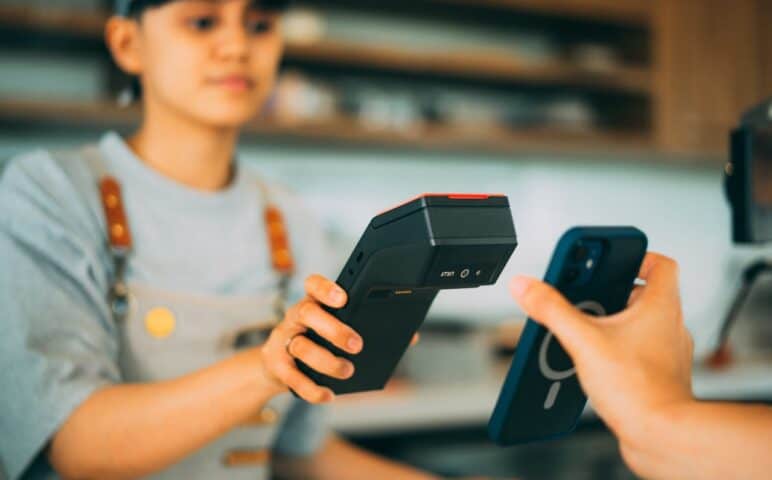
Technology breakthroughs and changing customer expectations are driving a continuous transformation in the retail industry. For small retailers, mobile POS systems have become a game-changer among the numerous innovations reshaping the industry. Because of their affordability, versatility, and improved customer experience, these handheld point-of-sale devices are a desirable choice for companies trying to stay ahead of the competition.
But are mobile POS systems truly the future for small retailers?
Understanding Mobile POS Systems
As retail businesses continue to modernize, understanding the role and functionality of mobile POS systems becomes crucial. These systems not only streamline transactions but also serve as a bridge between traditional retail and digital transformation. By leveraging mobile POS technology, small retailers can optimize sales processes, enhance customer engagement, and stay competitive in an increasingly digital-first economy.
What is a Mobile POS System?
A mobile POS system is a portable, wireless device that allows retailers to process transactions anywhere in their store—or even beyond. Unlike traditional POS terminals, which require a fixed setup, mobile POS systems work on smartphones, tablets, or dedicated handheld POS devices. These systems connect to cloud-based software, allowing seamless integration with inventory, payments, and customer relationship management tools.
How Does a Mobile POS System Work?
A mobile POS system typically includes the following components:
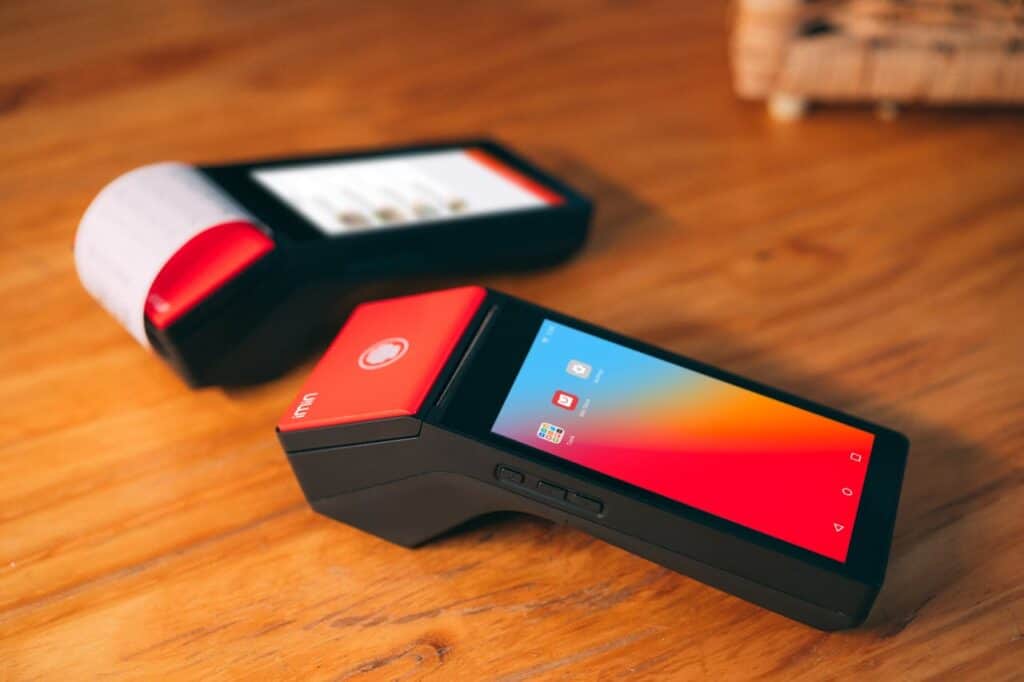
Hardware: A smartphone, tablet, or dedicated handheld POS device, along with card readers and receipt printers.
Software: Cloud-based POS applications that track sales, inventory, and customer data.
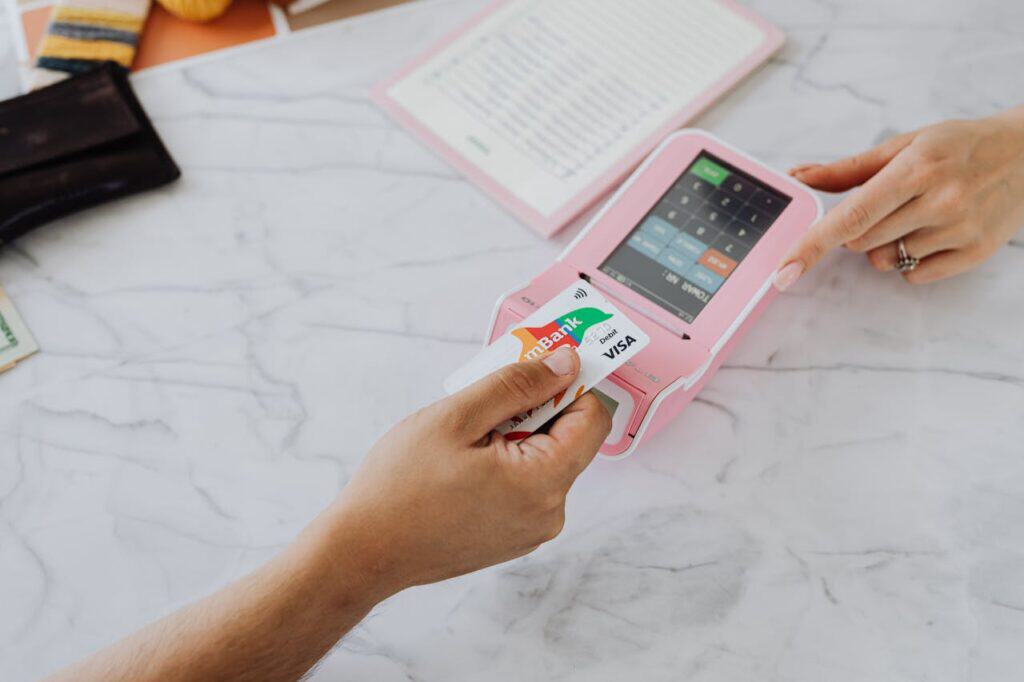
Payment Processing: Mobile POS systems support various payment methods, including credit/debit cards, digital wallets, and even contactless payments.
Why Small Retailers Are Adopting Mobile POS Systems
In light of the growing demand for customer-focused services and efficiency, small retailers are searching for ways to update their operations without breaking the bank. In addition to streamlining transactions, mobile POS systems also improve inventory management and customer interactions. Small retailers can create a seamless shopping experience that meets the expectations of modern consumers by embracing this technology.
Cost-Effectiveness and Affordability
One of the most compelling reasons small retailers are shifting to mobile POS systems is affordability. Traditional POS setups require costly hardware, installation, and maintenance. In contrast, mobile POS solutions come with lower upfront costs, making them accessible even to businesses with tight budgets.
Many mobile POS providers offer subscription-based pricing, allowing retailers to pay only for the features they need. This eliminates the burden of significant capital investment, making it easier for small businesses to scale their operations.
Improved Flexibility and Mobility
Unlike conventional POS terminals that require customers to queue at the checkout counter, a mobile POS system enables transactions to take place anywhere in the store. This flexibility can lead to:
Reduced wait times at checkout
Enhanced customer interaction and engagement
Faster service, leading to increased sales and customer satisfaction
For retailers who attend events, pop-up shops, or farmers’ markets, a mobile POS system is a game-changer. The ability to process payments anywhere ensures that business never has to stop.
Enhanced Customer Experience
Nowadays, customers expect transactions to be easy, quick, and seamless. With mobile POS systems, store employees can help customers on the floor, respond to inquiries, and complete sales without sending them to a conventional checkout line. Customers become more loyal as a result, and their shopping experiences become more personalized.
Additionally, mobile POS systems often integrate with loyalty programs, enabling retailers to offer personalized discounts and rewards to returning customers.
Real-Time Inventory Management
Keeping track of inventory is a major challenge for small retailers. A mobile POS system integrates inventory tracking with sales, providing real-time updates on stock levels. This prevents issues like overselling or stockouts and ensures that businesses can efficiently manage their supply chain.
Retailers can also receive alerts when stock is low and automatically reorder products, reducing manual tracking efforts.
Potential Challenges of Mobile POS Systems
While mobile POS systems offer numerous benefits, they also come with certain challenges that retailers must address. Understanding these potential drawbacks can help businesses implement solutions proactively and ensure a smooth transition to mobile POS technology.
Connectivity and Reliability Issues
Since mobile POS systems rely on cloud-based software, a stable internet connection is essential. Poor connectivity can lead to transaction delays, frustrated customers, and lost sales. To mitigate this, businesses should:
Use reliable Wi-Fi or mobile data services
Invest in backup solutions such as offline transaction capabilities
Choose a POS provider with robust security and uptime guarantees
Security Concerns
Retailers continue to have serious concerns about cybersecurity as a result of the increase in digital transactions. Even though mobile point-of-sale systems have advanced security features like tokenization and encryption, small retailers still need to take extra care to safeguard consumer information. Security can be improved by putting two-factor authentication, PCI compliance, and frequent software updates into practice.
Learning Curve and Training
Switching to a mobile POS system may require employees to learn new software and operational processes. Training staff effectively can minimize errors and ensure smooth adoption. Most modern mobile POS solutions come with intuitive interfaces, but investing time in staff training is crucial for maximizing efficiency.
Future Trends in Mobile POS Systems
As the retail industry evolves, mobile POS systems are becoming more than just a transactional tool. They are transforming into comprehensive business solutions that integrate sales, customer data, and operational efficiency. Small retailers adopting these systems can leverage new technologies to create personalized shopping experiences, optimize backend processes, and streamline business operations for sustained growth.
Integration with Emerging Technologies
The future of mobile POS systems looks promising, with advancements in AI and automation enhancing their capabilities. AI-driven POS solutions can:
Predict customer buying patterns
Automate inventory management
Offer personalized recommendations based on purchase history
Contactless and Digital Payment Adoption
Mobile POS systems are changing to accommodate digital payment methods such as Apple Pay, Google Pay, and QR code payments as they become more widely used. By implementing mobile point-of-sale technology, small businesses can meet the increasing demand for cashless transactions while increasing customer satisfaction and operational effectiveness.
Omnichannel Retail Experience
Retailers are increasingly adopting an omnichannel approach, combining online and offline shopping experiences. Mobile POS systems play a vital role in this trend by:
Syncing in-store sales with eCommerce platforms
Allowing customers to buy online and pick up in-store
Providing seamless return and exchange processes across channels
How to Choose the Right Mobile POS System for Your Retail Store
Selecting the right mobile POS system is a critical decision for small retailers, as it directly impacts efficiency, customer satisfaction, and business growth. A well-chosen system can streamline transactions, provide valuable insights, and integrate seamlessly with other business tools, ensuring a smooth and effective retail operation.
Assess Your Business Needs
Before selecting a mobile POS system, retailers should evaluate their specific requirements. Consider factors such as:
Store size and layout
Number of transactions per day
Integration with existing tools (inventory, CRM, eCommerce)
Preferred payment methods
Compare Features and Pricing
Not all mobile POS systems are the same. Some key features to look for include:
Ease of use: A user-friendly interface reduces training time.
Scalability: The system should grow with your business.
Integration: Ensure compatibility with accounting and marketing software.
Customer Support: Reliable support can help troubleshoot technical issues.
Read Reviews and Conduct Trials
Before committing to a mobile POS solution, read customer reviews and request a demo or trial. This will help you determine if the system meets your business needs and is easy to implement.
Are Mobile POS Systems the Future for Small Retailers?
Mobile POS systems are in a strong position to influence the direction of retail because of their affordability, ease of use, and capacity to improve customer satisfaction. The advantages greatly exceed the disadvantages, even though issues like connectivity and security must be resolved.
Adopting mobile POS solutions can help small retailers increase sales, streamline operations, and maintain their competitiveness in a market that is constantly changing. These systems will only grow more potent and essential as technology develops further.
Purchasing a mobile point-of-sale system is now a strategic choice for small business owners looking to expand and maintain their operations.


Leave a Reply