Menu

How a Good POS System Can Increase Your Small Business Profits
By John Misarti March 6, 2025
Operating a small business presents its own set of obstacles. From overseeing inventory and carrying out transactions to managing customer relations and examining sales data, each element of business operations is essential for profitability. An efficient method to enhance operations and increase profits is by investing in a top-notch POS system.
A modern POS system does more than just process payments. It helps businesses automate workflows, improve customer service, reduce losses, and make data-driven decisions.
What is a POS System?
A POS system is a combination of hardware and software that allows businesses to accept payments, track sales, manage inventory, and analyze business performance. Traditional cash registers have evolved into sophisticated digital solutions that offer a range of features to improve efficiency and profitability.
Whether you run a retail store, restaurant, or service-based business, having the right POS system can transform your daily operations and contribute significantly to your bottom line.
The Role of a POS System in Business Growth
A well-implemented POS system can be a game-changer for small businesses. It provides accurate sales tracking, streamlines processes, and enhances the overall customer experience. But how exactly does it impact profitability? Let’s break it down.
1. Improving Sales Efficiency and Speed
Introducing a dependable POS system can greatly enhance sales efficiency by facilitating smooth transactions and minimizing customer wait periods. It removes the drawbacks of manual billing, allowing companies to concentrate on enhancing service and improving their sales strategies. By optimizing operations, a POS system enables staff to serve more customers, improving both efficiency and profits.
Faster Transactions
Time is money, and long checkout lines can lead to lost sales. A modern POS system speeds up the checkout process by quickly processing payments, scanning barcodes, and applying discounts automatically. Faster service means happier customers and increased sales volume.
Multiple Payment Options
Customers today expect flexibility in payment methods. A good POS system allows businesses to accept credit/debit cards, mobile payments, digital wallets, and even contactless payments. This convenience encourages more purchases, leading to higher revenue.
2. Enhancing Inventory Management
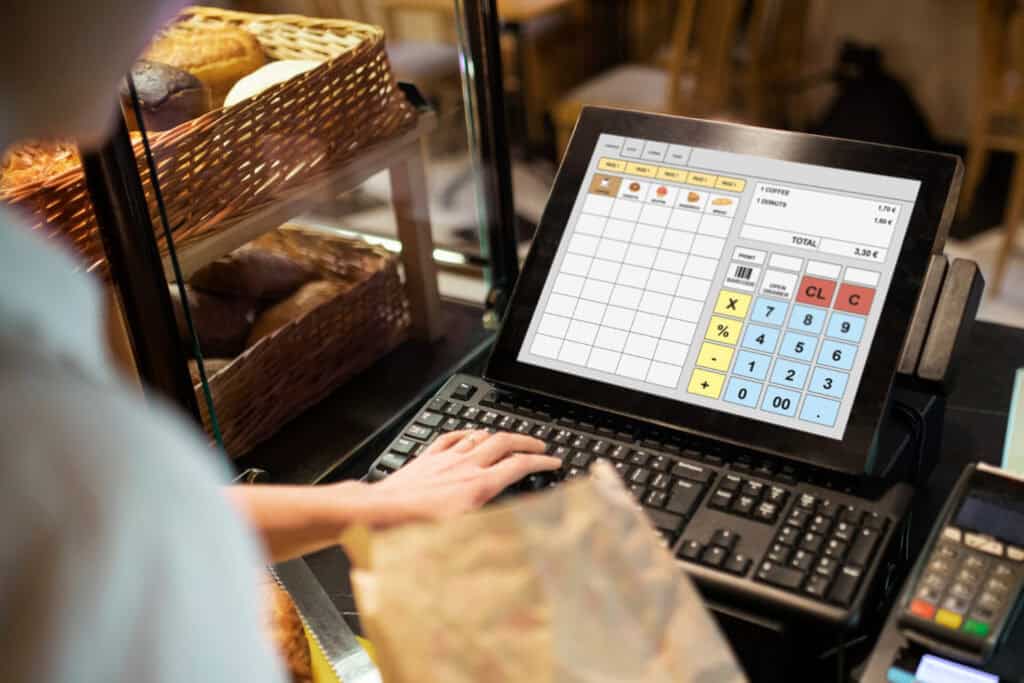
Effective inventory management is crucial for ensuring seamless business operations and optimizing profits. An effectively integrated POS system enables businesses to monitor inventory levels, minimize waste, and guarantee that sought-after products are consistently in stock. Through the automation of inventory monitoring, companies can make informed purchasing decisions and steer clear of typical mistakes that result in financial setbacks.
Real-Time Inventory Tracking
One of the biggest challenges for small businesses is keeping track of stock levels. A POS system automatically updates inventory as sales happen, preventing stockouts and overstocking. This helps businesses optimize their stock levels, ensuring they only order what is needed.
Reducing Shrinkage and Losses
A robust POS system tracks every transaction, reducing the chances of theft, mismanagement, or inventory discrepancies. This transparency helps in minimizing losses and improving profit margins.
3. Better CRM
Establishing solid connections with customers is crucial for any company aiming to boost sales and maintain loyal clientele. An effectively executed POS system aids businesses in gaining better insights into their customers by monitoring buying habits and preferences. This information can be utilized to craft tailored experiences, enhancing customer satisfaction and promoting repeat purchases.
Personalized Customer Experience
A good POS system stores customer data, including past purchases, preferences, and contact information. This enables businesses to personalize offers, recommend products, and create loyalty programs that encourage repeat purchases.
Loyalty Programs and Promotions
Loyal customers are the backbone of any successful business. POS systems allow you to set up and manage loyalty programs effortlessly. Rewarding repeat customers with discounts, points, or exclusive offers can significantly increase retention and boost sales.
4. Accurate Business Reporting and Data Analysis
Understanding your business performance clearly is essential for making well-informed choices. An effectively integrated POS system provides immediate access to sales data, employee efficiency, and consumer purchasing trends. Through detailed reporting, business owners can recognize strengths and areas needing improvement, guaranteeing they maximize profitability and efficiency.
Sales and Performance Insights
Understanding sales trends and customer behavior is crucial for business growth. A POS system generates detailed reports on sales, peak hours, top-selling products, and customer preferences. These insights help business owners make informed decisions that drive profitability.
Forecasting and Planning
Accurate data allows businesses to forecast demand, plan inventory purchases, and adjust pricing strategies. Having this level of insight ensures that businesses can stay ahead of market trends and maximize revenue.
5. Reducing Operational Costs
For small businesses trying to increase profits, controlling operating expenses is crucial. An effective point-of-sale system reduces costs by automating procedures, minimizing waste, and eliminating the need for overstaffing. Businesses can better allocate resources and concentrate on strategies that increase revenue by optimizing workflows and getting rid of inefficiencies.
Automation of Manual Tasks
A POS system automates various tasks such as invoicing, employee scheduling, and accounting. This reduces the time spent on manual processes, freeing up resources to focus on core business activities.
Lowering Labor Costs
By streamlining operations, businesses require fewer employees to manage transactions and inventory. This leads to reduced labor costs and increased efficiency, contributing to higher profit margins.
6. Improving Employee Productivity and Accountability
A company’s workforce is its greatest asset, and increasing employee productivity is essential to increasing profitability. A point-of-sale system streamlines processes and removes human error, freeing up staff members to concentrate on value-adding activities. Improved organization and real-time data access enable workers to work more productively with increased efficiency.
Employee Performance Tracking
A POS system allows business owners to track employee sales performance, work hours, and efficiency. Recognizing high-performing employees and addressing underperformance can help improve overall productivity.
Reducing Fraud and Unauthorized Discounts
Employee theft and unauthorized discounts can cut into profits. A POS system tracks every transaction, ensuring accountability and reducing the likelihood of fraudulent activities.
7. Enhancing Customer Satisfaction and Retention
A successful business relies heavily on its customers, and a well-designed point-of-sale system is essential to providing a flawless shopping experience. A POS system eases transactional friction by offering precise pricing, facilitating a variety of payment options, and expediting the checkout process. Customer satisfaction increases the likelihood of repeat business, which boosts profitability over the long run.
Faster and Smoother Checkout Experience
Long wait times and inefficient service can drive customers away. A fast and reliable POS system ensures smooth transactions, improving customer satisfaction and encouraging repeat business.
Seamless Omnichannel Integration
Many businesses today operate both online and offline. A good POS system integrates with e-commerce platforms, allowing customers to shop seamlessly across multiple channels. This consistency builds trust and improves customer retention.
8. Boosting Marketing Efforts with Data-Driven Strategies
Marketing plays a critical role in business growth, and leveraging the data provided by a POS system can make campaigns more effective. By understanding customer preferences and purchase history, businesses can create personalized marketing strategies that drive engagement and sales. With actionable insights, small businesses can allocate their marketing budget wisely and maximize their return on investment.
Targeted Promotions and Discounts
A POS system provides insights into customer buying patterns, enabling businesses to design targeted promotions. Offering discounts on popular products or bundling items can increase average transaction value.
Email and SMS Marketing Integration
Many modern POS systems come with built-in marketing tools. Business owners can send personalized promotions, reminders, and exclusive offers via email or SMS, driving more sales and engagement.
9. Ensuring Compliance and Secure Transactions
Compliance and security are crucial for any company that accepts payments from clients. By lowering the possibility of fraud and data breaches, a point-of-sale system with advanced security features guarantees that transactions are secure. Businesses can preserve customer trust while protecting sensitive data by implementing encryption and tokenization.
PCI Compliance and Data Security
Handling customer payments comes with security risks. A reliable POS system ensures compliance with industry security standards to protect sensitive payment data and prevent fraud.
Reducing Chargebacks and Payment Disputes
Chargebacks can be costly for businesses. A POS system records detailed transaction data, helping merchants dispute fraudulent chargebacks and avoid unnecessary revenue loss.
10. Scalability: Growing Your Business with a POS System
As small businesses grow, effectively managing that growth becomes essential for sustaining profitability. A strong POS system offers the necessary tools for seamless scaling by accommodating higher transaction volumes, integrating with various business operations, and maintaining operational consistency across multiple locations. By implementing an appropriate system, companies can concentrate on expansion without being concerned about logistical issues.
Multi-Location and Franchise Management
As businesses grow, managing multiple locations becomes challenging. A cloud-based POS system allows business owners to oversee all locations from a single dashboard, ensuring consistency and efficiency.
Easy Integration with Other Business Tools
A good POS system integrates with accounting software, payroll systems, and marketing platforms. This seamless connectivity enhances overall efficiency, reducing administrative burden and supporting business expansion.
Conclusion
Investing in a good POS system is one of the smartest moves a small business can make. By improving sales efficiency, automating inventory management, enhancing customer relationships, and providing data-driven insights, a POS system directly contributes to profitability.
Small businesses utilizing a modern POS system can see improved revenue, decreased expenses, and enhanced customer loyalty. If you want to elevate your business, it’s time to switch to a POS system that matches your growth objectives.
A well-optimized POS system isn’t just a tool—it’s an investment in your business’s future success. Don’t wait—start exploring the best POS solutions today and unlock new levels of efficiency and profitability.


Leave a Reply