Menu

Choosing the Right Encrypted Terminal for Your Business Needs
By John Misarti June 10, 2025
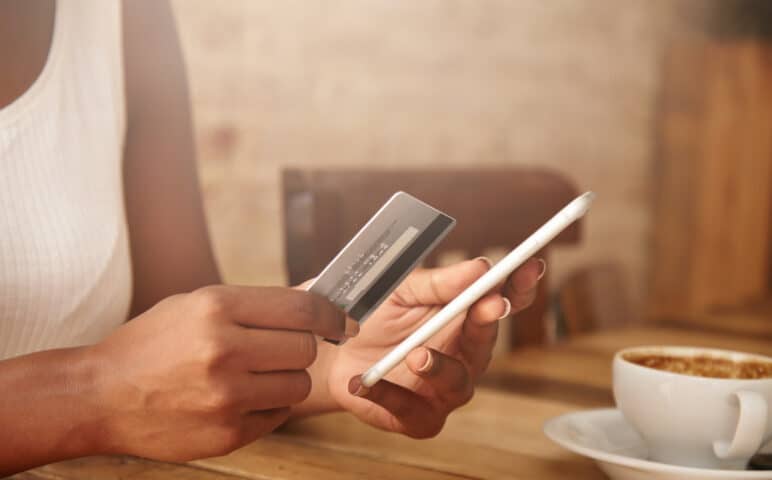
In today’s fast-moving world of digital transactions, data security has become a top concern for businesses of all sizes. Whether you run a local retail shop, a restaurant, a healthcare clinic, or an online brand with in-person checkout points, securing your customer payment data is not optional. Among the many ways to enhance transaction security, using encrypted payment terminals is one of the most effective.
Selecting the right terminal involves more than just taking digital wallets and credit cards. A device with strong encryption technology, quick processing, and ease of use is what you need. Choosing the best encrypted terminals for your company can be overwhelming with so many options available. However, by knowing how encryption functions, what to look for in a terminal, and how it fits into your larger POS system encryption strategy, you can make an informed choice that safeguards your clients’ privacy as well as the reputation of your company.
Understanding Encrypted Terminals
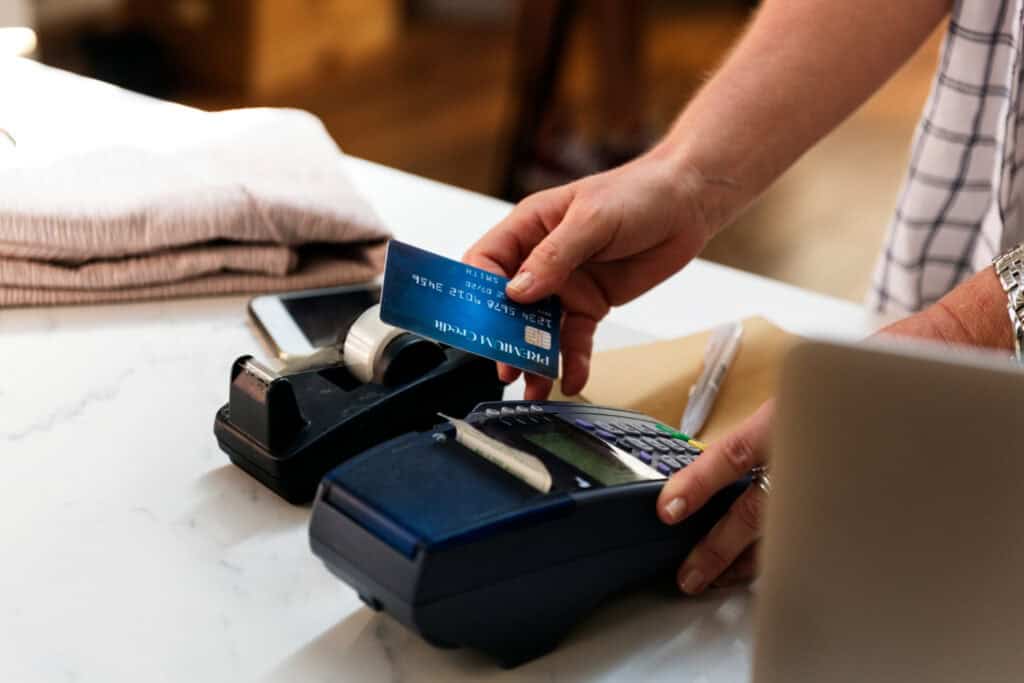
Before you start looking for the best device, it helps to understand what an encrypted terminal actually does. An encrypted terminal is a point-of-sale device that scrambles sensitive cardholder data during the transaction process. This prevents hackers and fraudsters from intercepting readable information, even if they gain access to the data stream.
The most common encryption method used today is P2PE. In this model, payment data is encrypted at the moment it is entered; usually when a customer taps, swipes, or inserts their card. The data remains encrypted until it reaches the secure server of the payment processor, where it is decrypted.
It is practically impossible for malicious actors to obtain valuable card information during the transaction with this method. PCI compliance is ensured and a crucial layer of defence is added by POS system encryption as part of a comprehensive security plan.
Why Encryption Matters for Your Business
Security breaches can have serious consequences for businesses. Beyond financial loss and fines, a single incident can damage customer trust and impact long-term growth. That’s why choosing the right encrypted terminal is a critical investment. Encrypted terminals reduce the risk of credit card fraud, identity theft, and chargebacks. They also show customers that your business takes privacy and security seriously. In a competitive market, peace of mind can be a deciding factor for many shoppers.
A robust encryption strategy is not only advantageous, but also necessary for any business that conducts numerous in-person transactions every day, particularly those involving expensive purchases.
Key Features to Look for in Encrypted Terminals
When evaluating the best encrypted terminals, there are several features to keep in mind. Not every terminal will be right for every business, so understanding these elements will help you narrow your choices.
End-to-End Encryption Capability
At the top of your list should be a terminal that supports end-to-end encryption or P2PE. This ensures that data is encrypted the moment it enters the device and remains protected until it reaches the payment processor. Look for devices certified under PCI P2PE standards.
EMV Chip and Contactless Support
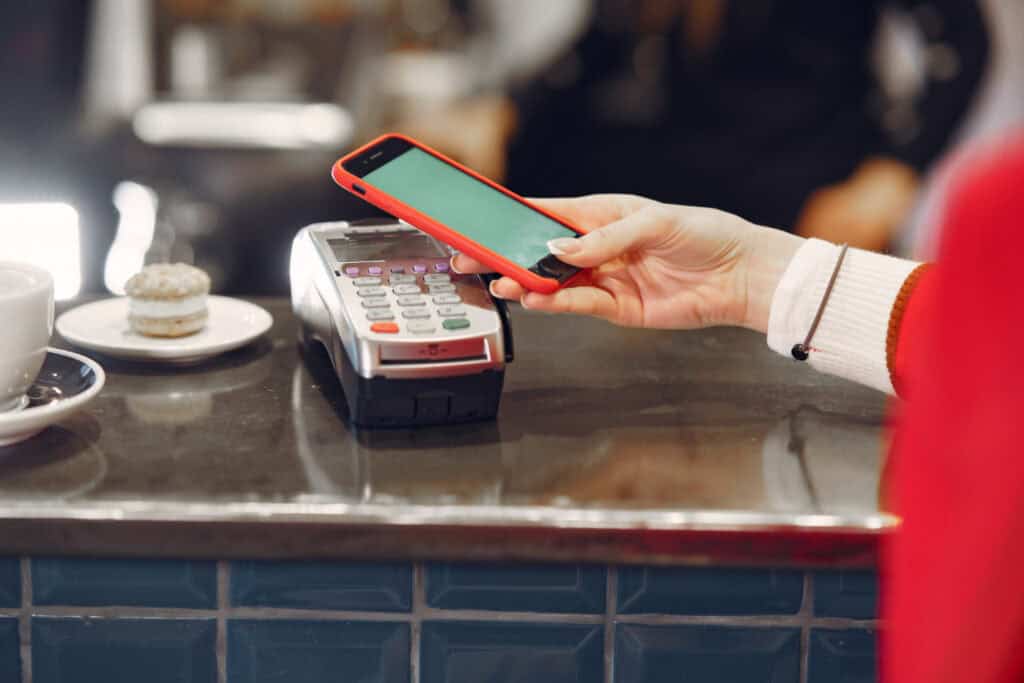
Both EMV chip cards and contactless payment methods like Apple Pay and Google Pay are expected by modern consumers. Both should be handled smoothly by your terminal. Any modern device should use these techniques since they are safer than magnetic stripe cards.
Secure PIN Entry and Tokenization
Some encrypted terminals include PIN pad encryption and tokenization. This means the actual card number is replaced with a token that is meaningless if intercepted. It adds another level of protection, especially in high-risk or high-volume environments.
Integration with POS Systems
The terminal you choose should easily integrate with your existing POS system encryption tools. Whether you use a cloud-based point-of-sale system or a locally installed software suite, compatibility ensures smoother operations and consistent reporting.
Ease of Use and Customer Experience
A secure terminal can cause friction during checkout if it is slow or confusing. Choose a device with a fast transaction time, an easy-to-read display, and a responsive interface. Especially in fast-paced settings like cafés or retail stores, user-friendly design is crucial.
Remote Update and Management
Some terminals come with remote software update features. This allows your provider to push security patches and software enhancements without needing a technician to visit your store. It’s an efficient way to stay compliant and up to date.
Matching Terminals to Business Types
Different businesses have different transaction needs. The right terminal for a high-volume retail chain may not be the best choice for a boutique shop, food truck, or medical office. Here’s how to think about choosing payment terminals based on your business category.
Retail Stores
Retailers require dependable, quick terminals that accept a range of payment options. Another benefit is integration with loyalty and inventory systems. Seek out countertop or multi-lane terminals with customer-facing displays, robust hardware, and high-speed connections.
Restaurants and Hospitality
In restaurants, flexibility is important. A good terminal should allow for tip entry, split checks, and mobile pay-at-table options. Portable encrypted terminals that can be used throughout the dining area offer both security and convenience.
Mobile Businesses
For food trucks, market vendors, or pop-up shops, mobility is key. Lightweight, battery-powered terminals with wireless connectivity are ideal. They should still offer encryption and card support despite their compact size.
Healthcare and Professional Services
Security is paramount in medical and legal settings. A desktop terminal that securely handles card-not-present transactions, recurring billing, and health savings account cards may be required. Integration with your practice management software is a bonus.
Comparing the Best Encrypted Terminals
You will probably encounter some industry favourites when reviewing devices. A few terminals are regularly praised for their encryption capabilities, dependability, and user-friendliness, despite the fact that product offerings vary regularly. Several encrypted terminals from Verifone, Ingenico, PAX, Clover, and Square are available to meet various business requirements. Other providers like Verifone and Ingenico place more of an emphasis on enterprise-level security features and sturdy hardware, even though Square is renowned for its simplicity and ease of setup.
It is important to evaluate each brand and model in terms of your daily transaction volume, customer flow, payment mix, and compatibility with your POS system.
Costs and Ownership Considerations
Pricing is always a factor when choosing payment terminals, but security should not be compromised for savings. That said, there are different ways to manage costs depending on your needs. Some terminals are offered as part of bundled payment processing contracts. Others are sold or leased separately. Consider the total cost of ownership, which includes hardware, software, service fees, and potential upgrade costs.
Ask providers whether encryption comes built into the hardware or requires additional licensing. Find out whether updates are included and how long the manufacturer supports each device. Investing in the best encrypted terminals may seem costly upfront, but it can save you much more in potential fraud losses, fines, or customer churn.
Compliance and Industry Regulations
In order to comply with industry standards such as PCI DSS, encrypted terminals are essential. All businesses that handle credit card transactions must comply; noncompliance can lead to severe penalties. Documentation attesting to the terminal’s compliance with current PCI standards should be included. You might need to take extra security precautions if you work in a regulated sector like healthcare or finance.
Maintaining compliance is not just about the terminal itself. It also involves proper training, secure network configurations, and regular audits. Make sure your payment provider offers guidance on how to stay compliant year-round.
Planning for the Future of Payments
The payments industry is constantly evolving. Choosing a terminal that supports current encryption protocols is essential, but it is also smart to think about future needs. Will your business expand to multiple locations? Will you need to support international cards or digital invoicing? Are you planning to accept QR code payments or add subscription billing?
Modern encrypted terminals should be able to adapt to new payment technologies without needing to be replaced entirely. Choosing a device with upgradable software and scalable features ensures your system grows with your business.
Support and Vendor Relationships
Selecting a terminal is a continuous process. It marks the beginning of a long-term partnership with your vendor or payment processor. When you run into problems, need updates, or want to grow, having dependable support is essential. Choose a supplier that provides proactive security alerts, clear billing, and responsive customer service. For teams that are not tech-savvy, some local providers even provide on-site setup and training, which can be quite helpful.
Ask about service level agreements, average response times, and support channels. A trusted vendor will help you make the most of your encrypted terminal investment.
Making the Final Decision
You will be ready to make a decision after reviewing your company’s needs, compliance requirements, budget, and long-term objectives. Cost, integration, ease of use, and security are all balanced in the perfect terminal. It should also demonstrate how dedicated your company is to safeguarding consumer information. Consider launching a pilot program if you are unsure. Before implementing encrypted terminals throughout your company, test a few different models in a single location and assess performance. Customer feedback can also help you make decisions, particularly if you work in a high-touch setting.
Conclusion
In today’s security-conscious world, choosing the right encrypted terminal is key to protecting data and earning customer trust. It goes beyond payments; it’s about long-term credibility and compliance. By prioritizing POS encryption, usability, and support, businesses ensure secure, seamless transactions. The right terminal not only streamlines operations but also strengthens the foundation for future growth.


Leave a Reply