Menu


Are Wireless Credit Card Terminals Secure? A Deep Dive into Payment Safety
By John Misarti August 6, 2025
Wireless credit card terminals have changed the way businesses collect payments. From cafes and taxis to pop-up shops and delivery services, these portable devices make it possible to accept cards anywhere. But with this convenience comes a natural concern: is it safe? Every time a card is tapped or inserted into a terminal, sensitive information is exchanged. In a world where digital threats are real, understanding the risks and protections involved is essential. Customers want assurance that their data is safe, and business owners need confidence in the technology they use.
How Wireless Credit Card Terminals Work
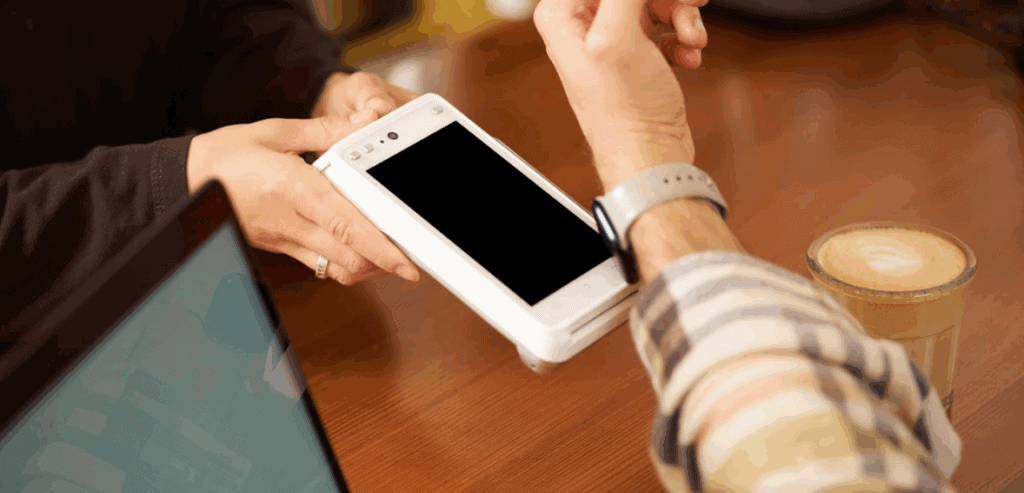
At the most basic level wireless credit card terminals do the same thing as traditional ones. They read a card, connect to a payment processor and authorize a transaction. The main difference is they don’t need to be plugged into a phone line or fixed network. They use Wi-Fi, Bluetooth or mobile data to connect.
Wireless terminals are popular in mobile businesses like food trucks, home services and event vendors. They offer flexibility and speed. But using wireless connections raises concerns about interception, data theft and security breaches. To address these risks modern terminals use a combination of technologies – most notably encrypted card processing – to keep customer data safe. Knowing these layers of protection helps separate fact from fear.
The Role of Encryption in Payment Security
Encryption is the cornerstone of wireless payment security. It ensures that sensitive information, such as card numbers and authorization codes, is unreadable to anyone who might intercept the data. When a card is swiped or tapped, the terminal encrypts the information immediately. This encrypted data is then transmitted to the payment processor. Even if someone were able to capture the transmission, they would only see a scrambled code; not usable card details.
Most wireless terminals today use end-to-end encryption, which means the data is encrypted at the point of capture and only decrypted at the processor’s secure server. This minimizes the window of exposure and keeps the transaction safe from common cyber threats. Without encrypted card processing, the risks would be far higher. Fortunately, most modern providers prioritize this technology and continue to update encryption standards regularly to stay ahead of evolving threats.
What PCI Compliance Means for Wireless Terminals
PCI compliance refers to a set of industry standards designed to protect cardholder data. The PCI DSS applies to all businesses that handle credit card transactions, whether through wired or wireless systems. For wireless terminals, PCI compliance means ensuring that the device, the software, and the business practices meet specific security requirements. These include:
Using secure passwords and access controls
Ensuring the device firmware is up to date
Encrypting all transmitted cardholder data
Restricting physical access to terminals
Payment service providers typically test and certify their terminals for PCI compliance. However, businesses must also do their part. This includes choosing reputable hardware, training staff, and following best practices to protect customer information. Failing to maintain PCI compliance can result in fines, data breaches, and loss of customer trust. So, while wireless terminals can be secure, ongoing compliance is essential.
Common Misconceptions About Wireless Terminal Security
There’s a lot of myths around wireless payments. One of them is that data sent over wireless networks is automatically hackable. While unsecured networks are risky, payment data is encrypted before transmission so it’s very hard to intercept in a usable form. Another myth is that small businesses are not at risk of cyber attacks. In reality small vendors are targeted because they may not have strong security policies in place. Whether you have a boutique or a mobile coffee cart, wireless payment security should be a priority.
Some people also think Bluetooth connected devices are unsafe. While early Bluetooth versions had vulnerabilities, modern Bluetooth standards used in card readers have robust security layers. When paired with encrypted card processing they are safe and reliable payment options. Knowing what’s true and what’s outdated helps both merchants and consumers make informed decisions about wireless payment tools.
Risks Associated with Wireless Payments
Despite strong security measures, wireless payments are not completely risk-free. Potential threats include:
Man-in-the-middle attacks, where someone tries to intercept data between the terminal and the network
Device tampering, such as inserting skimmers or installing malware
Unsecured public Wi-Fi networks, which may expose sensitive transmissions
To reduce these risks, businesses should choose devices that are tamper-resistant, install regular software updates, and avoid using unsecured networks. Having IT support or a reliable payment service provider can also help address vulnerabilities quickly. Customers can protect themselves by using cards with chip technology and being cautious about where they make payments. The combination of consumer awareness and merchant responsibility keeps the entire ecosystem safer.
Features That Enhance Terminal Security
Modern wireless credit card terminals come equipped with features designed specifically to enhance wireless payment security. These include:
End-to-end encryption
Tokenization, which replaces sensitive data with a unique code
Tamper-proof casing that disables the terminal if opened
Automatic software updates to patch known vulnerabilities
Some advanced terminals also include biometric login for merchants, dual authentication for high-value transactions, and remote wipe capability in case a device is lost or stolen. All of these features work together to ensure that encrypted card processing is not just a feature, but the foundation of every transaction. Merchants should review these features when choosing a terminal and ask providers about their security certifications and audit processes.
Tips for Business Owners Using Wireless Terminals
If you’re a business owner using wireless payment technology, there are several practical steps you can take to stay secure:
Buy or lease terminals from trusted providers
Set strong passwords and restrict admin access
Keep firmware and software updated
Monitor transactions for unusual activity
Secure your internet connection or use private cellular data
It’s also wise to train employees on how to use the terminal correctly and what to watch for in case of tampering. Physical security is as important as digital security, especially for portable devices. Following PCI compliance guidelines is a must, even if you only process a few transactions per day. Not only does this keep your business protected, but it also assures customers that their data is handled responsibly.
Customer Confidence and Payment Experience
Security plays a major role in customer trust. If a shopper feels uneasy about your payment terminal, they may abandon the sale or hesitate to return. That’s why investing in secure, modern technology is more than a technical choice; it’s a business strategy. Clear signage about card acceptance, visibly branded terminals, and fast processing times all contribute to a smooth checkout experience. When backed by wireless payment security, this creates a cycle of trust and repeat business.
Additionally, features like contactless payments, receipts by email, and the ability to split payments appeal to today’s tech-savvy shoppers. Just be sure these features are implemented securely, without compromising encryption or PCI compliance. In short, the easier and safer it is to pay, the more likely customers are to come back.
How Providers Ensure Terminal Safety
Payment service providers are key to terminal security. Good providers test their devices thoroughly and keep them up to date with industry standards. They monitor their networks for suspicious activity and give merchants tools for fraud detection. Many providers offer remote support, real-time software patches and PCI guidance. If a terminal is compromised they can often remote disable it or trigger an investigation.
Choose a provider that is transparent about their security protocols, support hours and update frequency. Don’t be afraid to ask how they handle wireless payment security and what they do to protect you and your customers.
The Future of Wireless Payment Security
As technology gets better so do the tools of the cybercriminals. But the payments industry isn’t standing still. The future of wireless payment security will include even more encryption, biometric authentication and AI fraud detection. Tokenization will continue to evolve and reduce the use of real card data altogether. Mobile wallets like Apple Pay and Google Pay add an extra layer of protection by using device specific codes instead of transmitting the actual card data.
As new threats emerge, staying educated and compliant becomes even more important. Whether you’re a solo entrepreneur or part of a big retail chain, secure encrypted card processing will always be non-negotiable.
Comparing Wired vs Wireless Terminal Security
When considering wireless payment security, it helps to compare it with traditional wired systems. Wired terminals are physically connected to a network, typically via ethernet, and often reside at fixed checkout counters. Wireless terminals, on the other hand, use Wi-Fi, Bluetooth, or cellular data to transmit payment information and can be used anywhere.
Security-wise, both systems are capable of protecting transactions; if they meet modern standards like encrypted card processing and PCI compliance. Wired systems benefit from a stable, private connection, which can reduce exposure to external network risks. However, they are vulnerable to physical tampering, especially if left unattended for long periods.
Wireless terminals have the added challenge of relying on potentially public or less secure networks. However, this risk is mitigated through end-to-end encryption and advanced authentication protocols. In some cases, wireless systems offer more flexibility for secure backups, mobile updates, and remote management features.
Ultimately, the security of either system depends more on how it’s managed than whether it’s wired or wireless. Regular updates, secure usage practices, and trusted providers are the real differentiators. Wireless terminals, when handled properly, can be just as secure; if not more dynamic; than their wired counterparts.
Educating Employees on Terminal Security Best Practices
No matter how advanced a payment terminal is, human error can still be a major security risk. This is why training your staff in wireless payment security best practices is just as important as the technology itself. Employees are often the first line of defense against fraud, data leaks, or equipment misuse.
Start with the basics: always keep the terminal within sight and never leave it unattended in a public setting. Train staff to recognize signs of tampering, such as unusual attachments, broken seals, or unexpected error messages. Regular checks should be part of the daily opening and closing routines.
Employees should also understand how to securely reboot or update the device, and know whom to contact if anything suspicious occurs. For mobile businesses, emphasize safe handling during transit and using secure hotspots or private data connections instead of open public Wi-Fi. A brief yet consistent training session can ensure that everyone on your team understands PCI compliance requirements and how encrypted card processing works to protect both the business and the customer.
Final Thoughts
Wireless credit card terminals have transformed how we pay, offering speed and flexibility in nearly every business setting. But with that convenience comes responsibility. Protecting customer data is not optional; it’s essential. Thanks to encrypted card processing, strong authentication methods, and strict PCI compliance, today’s wireless terminals are more secure than ever. Business owners who invest in modern technology and follow best practices can offer customers both convenience and peace of mind. In the end, wireless payment security isn’t just about protecting data; it’s about protecting relationships. And in a world built on trust, that’s the most valuable currency of all.


Leave a Reply