Menu

5 Industries That Benefit Most from Wireless Payment Terminals
By John Misarti August 4, 2025
Wireless payment terminals have changed the way many businesses operate. From busy restaurants to mobile vendors at local events, being able to accept payments anywhere has gone from being a nice to have to a must have. These terminals offer speed, flexibility and security so are a go to for businesses that value efficiency and a seamless customer experience.
Unlike traditional point of sale systems tied to a counter, wireless terminals bring the checkout to the customer. This shortens lines and enhances service, increases sales and meets the growing demand for contactless and mobile payments. For many businesses this isn’t just about being current, it’s about unlocking new opportunities.
Let’s take a look at 5 industries that have seen a big shift thanks to wireless payment technology. Whether it’s retail payment mobility, restaurant operations, or on site transactions at events, these industries are using wireless to stay ahead.
Restaurants and Food Services
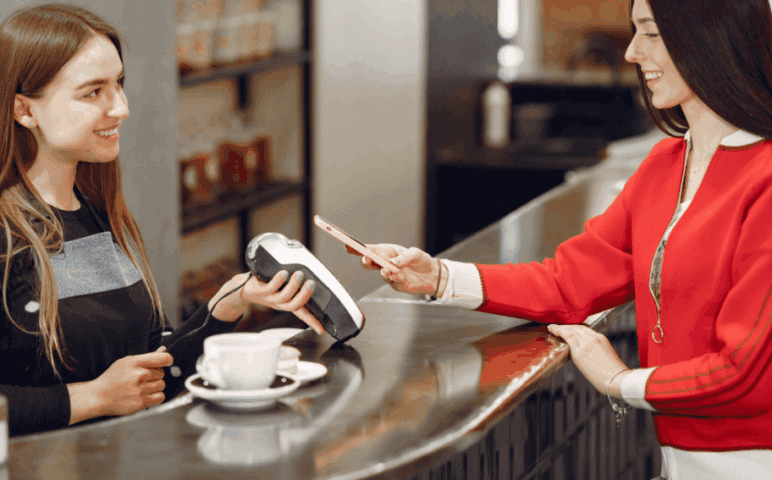
The restaurant industry was one of the first to adopt wireless payment terminals and for good reason. Diners love to pay at the table, especially in full service restaurants where the experience is just as important as the food. With wireless terminals for restaurants, servers no longer have to run back and forth to a central system, speeding up the whole payment process.
This reduces wait times and increases table turnover which is critical during peak hours. For quick service spots these devices enable outdoor or curbside payments – something that became essential during the pandemic and has remained popular because of its convenience. Wireless terminals also support tipping prompts, loyalty programs and digital receipts which add value without friction.
For food trucks and mobile food vendors, these devices make it possible to accept cards without depending on a fixed power or internet connection. Many models work via 4G or Bluetooth, offering flexibility in crowded environments like festivals or street fairs. Restaurants that have adopted this technology often report faster payments, increased tips, and higher customer satisfaction, making it clear why this industry continues to lead in mobile point-of-sale innovation.
Retail Stores and Boutiques
The retail environment is evolving, with more consumers expecting fast and personalized service. Traditional checkout counters are no longer the only option. With retail payment mobility, store associates can assist customers, answer product questions, and complete transactions all from the same spot; whether on the shop floor or at a sidewalk sale.
This approach is especially valuable in boutique settings where the shopping experience is intimate and personalized. Rather than disrupting the flow of conversation to head to a register, sales staff can use a wireless terminal to close the sale instantly. This helps prevent second thoughts or cart abandonment.
Pop-up shops, craft fairs, and seasonal kiosks also benefit from mobile payment capabilities. These businesses are often limited by space and infrastructure, making a compact and portable terminal the most practical choice. For retailers experimenting with new formats or temporary locations, being able to accept card and digital payments without major setup is a huge win.
Retailers using wireless terminals find that they can move more freely, manage queues better, and turn every interaction into a selling opportunity; all while improving the customer’s overall shopping experience.
Event Vendors and Pop-Up Businesses
Fairs, concerts, trade shows, and outdoor markets have one thing in common; they attract large crowds and require fast, reliable payment options. For vendors in these environments, mobile POS for events has become a game-changer.
Event vendors often have to work in environments where access to Wi-Fi or electricity is limited. Wireless terminals that connect via cellular networks make it possible to process payments instantly, without being tied to a booth or power outlet. This mobility gives vendors the flexibility to set up wherever foot traffic is best, without worrying about logistical constraints.
With a mobile payment terminal, businesses can accept all major cards and digital wallets, ensuring they don’t lose customers due to limited payment options. It also reduces the need to handle cash, which can be risky in crowded settings and difficult to track at scale. From selling artisan products to managing merchandise booths at concerts, event vendors use wireless systems to increase speed, security, and customer satisfaction. They can keep lines short, manage inventory more easily, and offer digital receipts; all with the same compact device.
Home Services and Trades
Mobile professionals like plumbers, electricians, cleaners, and landscapers benefit enormously from being able to accept payments on-site. These service providers rarely operate from a fixed location and often travel directly to a client’s home. With a wireless terminal in hand, they can complete the job and receive payment without delay.
This method not only improves cash flow but also builds trust. Customers are more likely to pay promptly when the transaction is quick, secure, and easy. Offering card or digital payments signals professionalism and reduces the awkwardness of requesting cash or waiting for checks to clear.
In some cases, technicians use mobile payment devices to upsell services or accept deposits for future appointments. This is especially useful for recurring contracts or bundled services.
Wireless terminals also allow service providers to generate on-the-spot invoices and capture digital signatures, helping streamline operations and reduce paperwork. For tradespeople who are always on the move, these compact, battery-powered tools are ideal companions for both one-time jobs and ongoing projects.
Health and Wellness Providers
Health and wellness professionals such as massage therapists, personal trainers, and yoga instructors often work in a variety of settings; from studios to home visits. For them, flexibility in how and where they accept payments is essential.
Wireless terminals enable these professionals to accept payment immediately after the session, improving the efficiency of their business and giving clients the convenience they expect. Whether the service is performed at a studio, in the client’s home, or even outdoors, mobile payment devices ensure there’s no disruption when it’s time to settle the bill.
Instructors running small fitness classes in parks or group sessions in temporary venues can also use these tools to quickly collect fees. It eliminates the hassle of collecting cash or using third-party apps that charge higher fees or delay deposits.
Having retail payment mobility in this field not only simplifies operations but also builds a more professional image. Many clients appreciate having the option to pay with a card or wallet app, and these terminals make that possible regardless of location.

How Wireless Terminals Improve the Customer Experience
One of the strongest arguments for adopting wireless payment terminals is the impact they have on customer satisfaction. People expect convenience, especially when it comes to how they pay. Long waits, outdated hardware, and cash-only policies frustrate customers and sometimes push them to competitors.
Wireless terminals allow transactions to happen anywhere, with minimal friction. For customers, this means faster checkouts, more payment options, and fewer interruptions. Whether you’re seated at a restaurant, browsing a boutique, or paying for services at home, being able to complete a transaction smoothly enhances the overall experience.
Features like tap-to-pay, email receipts, and tipping prompts also improve how customers engage with your business. For industries like dining or personal services, these features directly contribute to higher tip amounts and return visits. A great customer experience goes beyond the product or service; it includes the transaction itself. Businesses that adopt wireless terminals are better positioned to deliver consistently satisfying encounters.
Supporting Growth in Small and Seasonal Businesses
For small businesses, especially those just starting out or seasonal, wireless payment terminals are an affordable way to professionalize your setup. Instead of investing in a full POS system, a wireless terminal can handle all the basics – credit card payments and sales reporting. Seasonal businesses like holiday pop-up shops, flower stands or summer tours want to be able to set up shop anywhere without technical headaches. These businesses have lean staff and limited infrastructure so simplicity and reliability are key.
Mobile systems scale well. As the business grows you can add more devices, track performance across locations and even integrate with customer loyalty programs or accounting tools. This flexibility makes wireless payment terminals a smart first step for new entrepreneurs who want to offer convenience, professionalism and flexibility without breaking the bank.
Analytics from Wireless Payment Terminals
Modern wireless payment terminals do more than just process transactions – they also collect data. Business owners can use this information to see sales trends, peak hours and product performance. For example, by analyzing when and where sales spike, vendors can adjust staffing or inventory accordingly.
Restaurants using wireless terminals for restaurants may see higher check averages during certain shifts. Retailers may see which products sell better during outdoor markets than in-store. Event vendors can see which shows were most profitable and plan for next time.
This information helps small businesses make better decisions. Having real-time data from mobile terminals is a big upgrade from cash boxes or basic registers. It brings a level of clarity and control to the business, so you can fine tune your strategy and increase profitability.
Security Benefits for Both Business and Customer
Security is a top concern for any transaction, and wireless terminals are equipped with features that protect both the customer and the merchant. These devices are built with end-to-end encryption and often comply with the latest payment security standards. In environments like festivals or mobile services, the risk of theft or data breaches can be higher. Having a secure payment system that processes data in real time reduces this risk significantly. It also gives customers peace of mind, especially when using cards or mobile wallets in unfamiliar locations.
For businesses, using a trusted terminal reduces liability and builds credibility. It signals that your brand takes customer protection seriously. Many modern wireless systems are also PCI compliant, which is especially important for businesses handling large volumes of transactions in the field.
Security is not just a technical feature; it’s a trust factor. Businesses that use secure mobile payment systems position themselves as reliable and responsible, which can lead to stronger customer relationships and more repeat business.
Future-Proofing Through Mobile Payment Adoption
As consumer habits shift further toward contactless and digital-first experiences, businesses that don’t adapt risk falling behind. Embracing mobile payment systems now ensures you’re ready for what comes next, whether it’s integrating loyalty apps, supporting QR code menus, or syncing with digital wallets. With mobile POS for events, retail payment mobility, and wireless terminals for restaurants, businesses can stay agile in a rapidly evolving landscape. These tools support current demands while laying the groundwork for future upgrades.
The flexibility and connectivity of wireless terminals make them a long-term investment. As features improve and customer expectations rise, businesses with mobile systems in place will have a head start in offering faster, smarter, and more customer-friendly services.
Fitness and Outdoor Recreation Businesses
Outdoor fitness instructors, hiking tour guides, surf schools, and other recreation-based businesses often operate in remote or flexible locations. These professionals can’t rely on fixed checkout counters, and cash transactions are both risky and inconvenient in unpredictable environments. That’s where wireless payment terminals come in. These devices give them the ability to collect payments instantly and securely, even from a sandy beach or a mountain trail.
For example, a personal trainer conducting bootcamps in the park can collect fees on the spot using a mobile POS for events setup. Likewise, a kayaking company offering hourly rentals can complete transactions from a dockside location using a portable credit card terminal. These systems typically connect via cellular networks or Bluetooth and offer robust performance, even outdoors.
Fitness professionals also benefit from digital receipts, tipping functionality, and repeat client profiles, helping them build loyalty over time. Clients appreciate the convenience of paying by card or phone, especially when they don’t carry cash. As fitness services grow more mobile and seasonal outdoor activities surge in popularity, payment mobility becomes an operational necessity. The ability to accept secure payments, anywhere and anytime, is vital for fitness and outdoor recreation providers aiming to scale their services and maintain customer trust.
Transportation and Delivery Services
In the world of on-demand delivery, transportation, and mobile services, time and trust are critical. Drivers, couriers, and mobile service technicians frequently meet clients at various locations, where secure and immediate payment collection is essential. Wireless payment terminals provide a way for these businesses to accept payments quickly and reliably, even in transit.
Taxi services and ride-share drivers, for instance, use mobile POS for events or portable credit card reader groomer setups to accept card payments directly in the vehicle. This eliminates the need for clients to carry cash and supports tipping via card, which can boost driver income. Delivery services, especially those in the food and grocery sectors, benefit from offering card payment upon delivery; a service increasingly preferred by customers.
Pet groomers operating mobile vans also depend on grooming van payment app integrations to collect payment at the client’s home. These solutions allow for digital recordkeeping, integrated receipts, and tip suggestions that streamline the entire checkout experience.
As convenience and efficiency remain top priorities, transportation and delivery services adopting mobile payment tools stay competitive and professional. The ability to accept on-site payment for pet services, logistics, or personal transportation empowers these businesses to offer seamless customer experiences across the board.
Conclusion
Wireless payment terminals are reshaping how businesses operate across industries. Restaurants are serving tables faster, retailers are selling more on the go, event vendors are maximizing every opportunity, service providers are collecting payments efficiently, and health professionals are building trust with convenience. With benefits that include better customer experiences, enhanced mobility, and valuable sales insights, wireless terminals are no longer optional; they are essential. For businesses looking to grow, stay competitive, and meet the expectations of today’s consumers, now is the time to go mobile.


Leave a Reply