Menu

Why Every Retail Counter Needs a Terminal Stand
By John Misarti September 17, 2025
The counter is where the magic happens, where transactions are finalised and impressions are made. For many businesses this is where efficiency meets customer service. Yet the counter setup is often overlooked. One tool that has become essential for both functionality and customer experience is the terminal stand. It may seem like a simple accessory but the benefits are vast. From speeding up transactions to reducing physical strain on staff a terminal stand can transform everyday operations.
In modern retail where customers expect quick service and seamless interactions the details matter. How the credit card machine is set up, how easily it rotates and how comfortable it is for both staff and customer plays a big part in overall satisfaction. Beyond convenience terminal stands also contribute to point of sale ergonomics so staff can do their job with less strain and an organised professional looking counter.
The Evolution of Retail Counter Design
Retail counters have come a long way from cash boxes and manual registers. With the introduction of digital payment systems businesses had to rethink how space was used. Over the years the credit card machine setup evolved from big bulky standalone devices to sleek compact terminals that can process payments quickly and securely. Yet while the technology improved the physical integration into the retail counter lagged behind. Many stores placed machines flat on the counter creating awkward angles for both customers and staff.
This setup often led to longer transaction times as devices had to be picked up or repositioned for each customer. It also created clutter with cords tangled around counters and devices shifting during busy periods. As businesses looked to improve efficiency, point of sale ergonomics became a bigger priority. A terminal stand emerged as a solution to these problems offering structure, stability and accessibility. By keeping the credit card machine elevated and secure businesses could speed up transactions and create a more professional environment. The evolution of retail counters now is about not just digital efficiency but physical organisation.
Terminal Stand Benefits for Staff and Customers
Terminal stands have benefits that impact both customers and staff. For staff, one of the biggest is reduced physical strain. Instead of constantly bending, twisting or lifting the terminal during transactions, staff can simply rotate or tilt the device on the stand. This is better point of sale ergonomics and minimises repetitive strain injuries over time. For customers, it’s a smoother experience as they can access the screen or keypad without awkward adjustments.
Another overlooked benefit is hygiene. With the terminal on a stand, the device is not constantly being handled and stays cleaner. This also reduces wear and tear as terminals are no longer being dropped or shoved around the counter. Beyond practicality, terminal stands also add to professionalism. A tidy counter looks like you care and are reliable, it leaves a good impression on customers. The stand not only looks good on the counter but also means staff can focus on service not equipment. These combined benefits make the terminal stand an essential part of any retail environment.
Improving Credit Card Machine Setup
Proper credit card machine setup is more than just plugging in wires and putting the device on the counter. It’s about creating a system that supports fast, accurate and secure transactions. Without a stand, machines can slide, cords can tangle and counters can get cluttered and slow down service. By elevating the terminal with a stand, businesses get better organisation and less complications. This speeds up the transaction flow and makes it more intuitive for staff and customers.
Terminal stands also make compliance with payment industry standards easier. Many setups require secure placement to prevent tampering or accidental disconnections. A mounted device is less likely to be damaged, misplaced or interfered with. Businesses with multiple terminals can use stands to create consistency across checkout points. The result is a clean, uniform credit card machine setup that looks professional and works efficiently. Whether it’s a small boutique or a large retail chain, improving how terminals are positioned is an investment that pays off in smoother operations and stronger customer trust.
Point of Sale Ergonomics in Daily Operations
The checkout counter is one of the busiest areas in any retail space. Employees handle hundreds of transactions a day, and poor workstation design can take a toll on their comfort and efficiency. Point of sale ergonomics focuses on reducing unnecessary strain and improving overall flow. Terminal stands are a simple but effective way to achieve these goals. By allowing terminals to swivel and tilt, they reduce awkward movements and create a natural line of sight for both staff and customers.
This ergonomic design also shortens transaction times. Instead of repositioning machines for each customer, employees can quickly rotate the stand, saving valuable seconds. Over time, these small efficiencies add up, creating shorter lines and less stress during peak hours. Additionally, when employees are more comfortable, they can focus better on customer service, maintaining a positive attitude throughout their shift. Terminal stand benefits in ergonomics highlight the connection between physical setup and business outcomes. By investing in better workstation design, retailers not only protect their employees’ health but also improve customer experiences and overall productivity.
Enhancing Customer Experience Through Accessibility
Accessibility plays a crucial role in customer satisfaction, and terminal stands make payment interactions more inclusive. Customers with limited mobility or those who struggle to reach across counters benefit greatly from terminals mounted at an adjustable angle. This ensures that every individual can complete their payment independently and comfortably. In today’s retail environment, creating accessible spaces is not only a courtesy but also a reflection of brand values.
Terminal stand benefits extend beyond physical accessibility to psychological comfort as well. Customers prefer an interaction that feels seamless and professional. A wobbly machine or cluttered counter can leave a negative impression, while a mounted terminal creates a sense of stability and reliability. Combined with secure credit card machine setup, this approach reinforces trust. Customers walk away feeling that their transaction was handled efficiently, securely, and with care for their comfort. Over time, these small touches build stronger relationships and encourage repeat visits. Accessibility through terminal stands is therefore both a practical adjustment and a strategic investment in customer loyalty.
Maximizing Security and Durability
One of the less obvious but equally important benefits of using terminal stands is the added layer of security and durability they provide. Terminals placed loosely on counters are at higher risk of being stolen, tampered with, or damaged by spills and falls. By securing them to a stand, businesses reduce these risks significantly. This setup also keeps cords and connections organized, lowering the chances of accidental disconnections during transactions.
Durability also comes into play. Constant handling of the machine can lead to broken buttons, worn-out card readers, or scratched screens. With a stand, the device remains protected and experiences less direct wear. This not only saves on repair and replacement costs but also ensures smoother, uninterrupted service. A secure credit card machine setup communicates seriousness about protecting customer information, reinforcing trust in the business. Combined with other terminal stand benefits, this security advantage makes stands not just an optional accessory but a vital safeguard for modern retail counters.
Streamlining Multi-Terminal Retail Environments
For larger stores or businesses with multiple checkout points, consistency is key. Terminal stands help standardize the credit card machine setup across all counters, ensuring that every terminal is positioned the same way and functions predictably. This uniformity makes training easier for staff, who can move between counters without adjusting to different layouts. It also ensures that customers experience the same level of service regardless of which checkout line they use.
Terminal stand benefits are magnified in multi-terminal environments, where clutter, cable management, and workflow can quickly become issues. Stands help create organized workstations, keeping counters clean and visually appealing even during busy periods. They also provide scalability, making it easier to add or upgrade terminals without disrupting the overall design. For growing businesses, investing in stands from the start ensures smoother expansion and a professional image that scales with the brand. Streamlining multi-terminal environments through proper ergonomics and design highlights why every retail counter, no matter the size, benefits from this essential tool.

The Long-Term Value of Terminal Stands
When considering investments for retail counters, terminal stands might seem like a small addition. However, their long-term value is substantial. They reduce physical strain on staff, improve transaction speed, increase durability of devices, and enhance customer trust. Each of these advantages adds up to real financial benefits, from fewer replacement costs to higher customer satisfaction rates. In competitive retail markets, even small improvements in efficiency and service quality can create a meaningful edge.
The cost of terminal stands is relatively minor compared to the return they deliver. Businesses often find that the improvement in workflow and professionalism outweighs the initial investment within months. By prioritizing point of sale ergonomics and credit card machine setup through stands, retailers create a system that supports growth and adaptability. These tools future-proof the retail counter, ensuring that as payment technologies evolve, businesses remain ready to deliver smooth, secure, and efficient service. The long-term value of terminal stands demonstrates why they are not just optional accessories but essential investments for every retail counter.
Reducing Transaction Errors and Delays
One of the overlooked advantages of terminal stands is their role in reducing transaction errors and delays. When terminals are left loose on a counter, they can shift during use, cords may tug at awkward angles, and buttons or touchscreens may not be aligned for easy access. These small inconveniences often lead to mistakes, such as staff pressing the wrong button or customers entering their PIN incorrectly. Over time, these errors add up, slowing down service and frustrating both employees and customers.
A terminal mounted securely on a stand minimizes these risks. It remains in one place, easily accessible, and positioned for smooth interaction. By rotating or tilting as needed, it ensures the machine is always at the right angle for whoever is using it. This consistency helps transactions flow without unnecessary interruptions. Faster, more accurate processing not only keeps lines moving but also creates a more professional checkout experience. By improving accuracy and reliability, terminal stand benefits extend to daily performance, reducing costly mistakes while reinforcing trust in the business’s credit card machine setup.
Supporting Modern Payment Trends
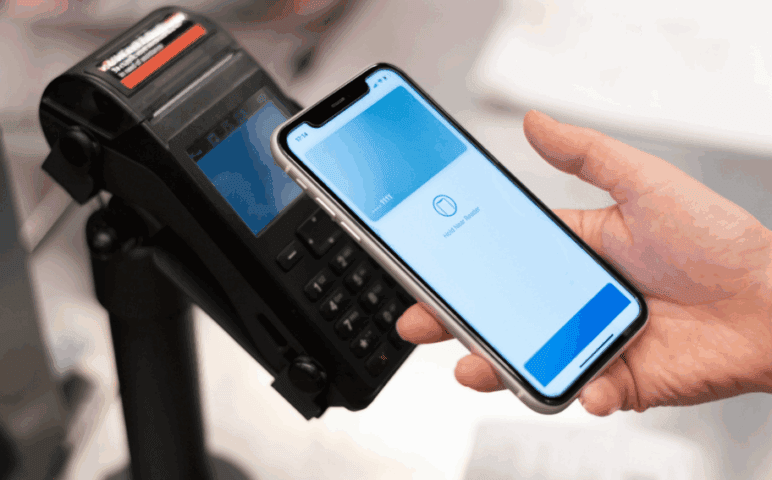
Payment methods have diversified rapidly, with contactless cards, mobile wallets, and QR-based transactions now part of everyday retail. These changes demand flexibility at the counter. Without a proper setup, accommodating various payment options can feel disorganized, especially when customers need to tap or scan devices at different angles. Terminal stands address this challenge by making credit card machine setup adaptable and user-friendly. They allow customers to approach from multiple directions and complete payments without disrupting the flow of service.
For businesses embracing these modern payment trends, terminal stand benefits go beyond ergonomics; they ensure compatibility with future payment technologies. Whether it’s NFC payments, mobile pay apps, or biometric authentication, a mounted terminal can easily support these functions in a secure, accessible manner. This adaptability reassures customers that the business is up-to-date with current practices, fostering confidence and loyalty. As retail continues to shift toward cashless transactions, a point of sale ergonomics approach that includes stands ensures that businesses remain prepared to meet evolving expectations while keeping counters organized and efficient.
Creating Professional and Branded Retail Spaces
First impressions at the counter play a critical role in how customers perceive a business. A cluttered, disorganized checkout space can undermine confidence, while a clean and well-structured setup communicates professionalism. Terminal stands contribute directly to this impression by elevating the appearance of the counter. By lifting devices off flat surfaces and keeping cables managed neatly, they create a polished look that reflects positively on the brand.
Retailers can also use terminal stands to complement their branding. Many stands are available in different finishes, materials, or customizable designs, allowing businesses to align their checkout areas with their overall aesthetic. This attention to detail reinforces brand identity at a critical touchpoint where transactions take place. Terminal stand benefits therefore extend beyond functionality into marketing, creating consistency across the customer journey. Combined with a secure credit card machine setup, this professional appearance sends a message of care, reliability, and trustworthiness. For modern retailers competing on customer experience, these subtle touches can set them apart and encourage repeat visits.
Preparing Retail Counters for Growth and Scalability
Retail businesses rarely remain static. As they expand, add new locations, or increase transaction volumes, their checkout systems must evolve to keep pace. Terminal stands support this scalability by providing a flexible foundation that works in both small shops and large retail chains. With a standardized setup, staff training becomes easier, as employees can expect the same point of sale ergonomics across all counters. This uniformity reduces confusion and helps businesses scale more efficiently.
Terminal stand benefits also include future-proofing. As payment technologies advance, businesses can upgrade devices without redesigning their entire counter layout. Stands can accommodate new terminals or be replaced with updated models while keeping the same streamlined structure. This adaptability ensures that credit card machine setup remains consistent even as new payment methods emerge. For businesses planning long-term growth, stands are a smart investment that pays dividends over time. They reduce transition costs, protect against downtime, and maintain the professional standards customers expect. By preparing counters for scalability, terminal stands prove their value not only for today but also for the future of retail.
Conclusion
Retail counters may seem simple, but terminal stands play a vital role in enhancing efficiency, comfort, and professionalism. They improve staff ergonomics, protect equipment, streamline credit card machine setups, and make transactions more accessible for customers. Beyond convenience, these benefits impact operational efficiency, reduce errors, and elevate brand perception. As customer expectations grow, businesses cannot afford to overlook such tools. Terminal stands are a cost-effective investment that improves daily operations while fostering smoother service and happier customers. Suitable for any retail setting, they exemplify how small details drive meaningful improvements. In modern retail, terminal stands are essential for success.


Leave a Reply