Menu

Top Features to Look for in a Modern POS System
By John Misarti April 14, 2025
POS software can help manage sales and payments for various businesses. A POS system should be able to track your stock and sales, process credit card payments, and provide vital reports. It connects various arms of the business and makes payments faster and safer.
68% of businesses use POS systems, which speed up business and simplify retail work, as of October 2023. Any business, regardless of scale, can benefit from a good POS system, in terms of sales, operations, customer loyalty, and inventory management
What is a POS system?
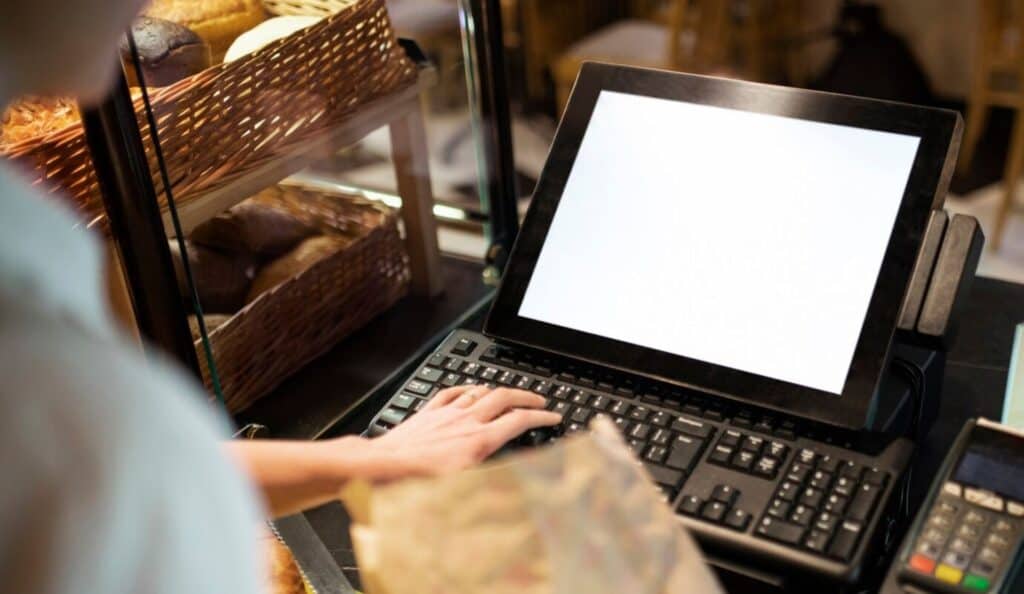
A new POS system is being designed to function in stores and support online sales, desiring to do away with old cash registers. The majority of POS systems can accommodate multiple payment types. Spending through card payments went up from 37.3 billion to 40.8 billion from 2016 to 2017, according to a report.
Digital wallets like Apple Pay and Android Pay are projected to process more than $503 billion in transactions by 2020. From 2018 to 2023, cashless transactions will increase by 46%, reaching an estimated total of 841 billion worldwide, up from 577 trillion two years earlier. Now, quarterly figures show that 25% of customers use cashless payments, while 50% use Apple Pay, and 2% of young customers use store wallets.
Types of Business for POS Systems
POS systems vary depending on your business size and type. A coffee shop needs a whole POS system, while a retail store or restaurant can get away with a simple POS. Countertop POS systems occupy varying amounts of space, but they occupy less space than the old g-time cash register. Most stores only need one terminal, but having several helps the customer feel more at ease when things start getting busy. Mobile POS systems are the best for food trucks or outdoor events because payment can be made quickly. Faster service results in happy customers and increased revenue.
Essentials of POS System
Managing Inventory
A POS system without inventory management is just a cash register. Inventory management allows users to upload and keep products organized in one location, enabling real-time stock updates from sales or returns. If the system is mobile-friendly and includes a barcode scanner, it also counts inventory digitally. Some of the features you can expect from POS software are: Adding product images, Editing product details in batches, Assisting in counting inventory, etc.
Managing Customer Information
POS software typically comes with a customer management feature to manage customer information, such as profiles, purchases, shipping details, and payment data. Using this data ensures enhanced interactions with the customer, tailored loyalty programs, and targeted marketing strategies.
Checkout Register
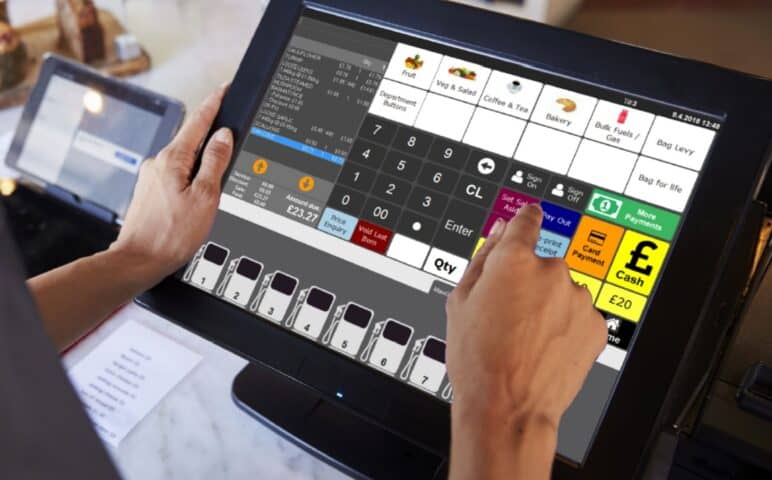
The checkout register is the front-facing portion of a POS system that users use by touch on screens rather than buttons. Today, modern POS systems utilize touchscreen registers to make checking out easier; this minimizes the issue of long lines. They can reveal popular products and provide easy access to discounts or returns. It also integrates with part of the system that handles payment processing.
Payment Processor
Some POS systems like Square and Clover have a built-in payment processor that makes payments easy to accept. Depending on the type of business, payment processing can be in-person at the point of checkout or online. Many online businesses require services that integrate with their website. Payment features should provide a secure method to process payments, as well as protect customer data.
POS Software Reports
POS software should provide easy-to-read reports, like sales by category, at no extra cost. Some systems let users customize reports and automate tasks. Keeping inventory updated is important, and the software can analyze customer behavior to help plan marketing and loyalty programs.
Cloud-Based POS
As cloud-based point-of-sale (POS) systems allow business owners to check operations remotely, they are very essential in the present era. These systems allow for real-time data, monitor inventory, and evaluate employee performance, and are all accessible via any device that connects to the internet. This way, risk is reduced whereas real-time information, easy access at any time, automatic upgradability, and backups of data are some of the benefits of cloud-based accounting solutions.
Effective Inventory Management
It also allows for advanced inventory management, automatically keeping an eye on stock levels, warning when supplies are dwindling, and recommending how much to reorder based on past usage. They also help with supplier management, simplifying order processes, and enhancing negotiation processes. This enables restaurants to maintain proper stock levels, reduce waste, and enhance margins. For retail and food businesses, these systems can generate purchase orders, help make data-driven decisions, check levels in real time, and point out fast- or slow-moving items
Integrated Point of Sale (POS) System
When it comes to running a restaurant today, an integrated point of sale (POS) system is vital. It enhances productivity and provides valuable insights into the state of the business. It simplifies and facilitates activities, such as ordering, billing, and stocks. Some of the features include table management, menu customization, and live sales tracking. Cloud-based POS systems are remote and accessible from anywhere.
Integrating POS with Accounting/Inventory
Integrating your POS system with your accounting or inventory management software allows for smoother operations and more insight into the business as a whole.
Integrated Online Ordering Systems
Integrating online ordering systems through websites and apps has changed break and made it simpler for customers to order food, causing fewer errors in delivery and more satisfied customers. With the growing demand for home delivery and the opportunity to create new income without investing in the hardware, real-time delivery management helps restaurant owners track delivery routes and make improvements.
CRM System
This is where a POS system with customer relationship management (CRM) features comes in very handy; suppliers will be able to track everything customers purchase and sort these customers into segments according to their buying habits, creating marketing plans for specific target groups. This results in enhanced customer experience, increased insight into customer needs, targeted promotion, and better customer retention via tailored service.
Intelligent point of sale (POS) systems with customer relationship management (CRM) capabilities aggregate and analyze customer data, including order history and preferences. This allows personalized dining, targeted marketing, and loyalty programs, which enhance guests’ satisfaction.
Payment Method
Today’s POS systems need to accept all payment methods now and in the future, including credit, debit, mobile, and the new cryptos, tap, dip, swipe, Apple Pay, and Google Wallet.
Analytics and Reports
An advanced POS should not only display sale totals but also provide dynamic analytics and reporting on where you make sales, during what times, and with what products. These insights help to identify patterns that can influence decisions and give detailed reports for tracking revenue, income, and barriers to growth. Information is readily accessible, and the use of real-time data and easy-to-read dashboards makes the information easy to understand.
Flexibility
The flexible payment system is also necessary as it accepts numerous payment methods, such as credit/debit cards, mobile wallets, and Buy Now, Pay Later. This enhances customer experience and increases sales. Advantages include speedier checkouts, reduced likelihood of losing sales due to a lack of payment options, and support for newer payment technologies.
Scalability
When you grow your business, your POS has to grow with it. A good system doesn’t slow down when you have more sales, more locations, and more products.
POS With Collaborative Ecosystem
With running a business now so reliant on interconnecting solutions with other vendors, you need your POS to play nice, with other solutions as well. “It should simplify shopping for customers, as well as make backend processes more efficient, such as managing inventory. This minimizes over-sale and makes business processes efficient. In such an interconnected retail environment, the ability to have a strong system in place is fundamental for success.
Reliability and Data Security
This will help maintain customer trust and keep business data secure. It needs to be reliable and process numerous transactions in peak periods. It must operate offline for sale loss avoidance and customer confidence. Data before it is ever transferred is of utmost importance as well, through means such as encryption and compliance with laws such as GDPR. Growing brands need a POS system that is market-relevant only this can keep you on your toes. Good technical support is also required for the system to operate well and securely. Cloud systems offer strong security features that are updated regularly to address new threats. They are more trustable which lowers the downtime and interruptions, thus helping develop customer loyalty and trust.
Conclusion
A good POS system is much more than a checkout tool, it’s the power behind a smart, efficient, and customer-oriented business. Everything you need to stay on top of your business, from inventory tracking to secure payments and customer management to real-time reporting, a quality POS system ensures everything goes as planned and expands with your business.
Whether you own a small café, a large store, or a multi-location restaurant, a feature-rich POS can increase customer satisfaction, retain revenue, and provide insights into your business. As technology progresses and consumer expectations grow, investing in a scalable flexible, and secure POS system is a necessity rather than a luxury.


Leave a Reply