Menu

The Future of Wireless Payment Technology: What’s Next?
By John Misarti August 14, 2025
The world of payments is changing rapidly, driven by advances in technology and shifts in consumer expectations. What once required swiping a card at a fixed counter can now be completed instantly through mobile devices, contactless cards, and even wearable technology. As the future of wireless POS unfolds, businesses are embracing more flexible, efficient, and secure ways to handle transactions. This evolution is not just about convenience; it is shaping how customers interact with brands, how merchants operate, and how the global economy moves money.
The pace of innovation means that payment systems we consider modern today may soon feel outdated. Payment technology trends such as biometrics, cloud-based systems, and AI-driven fraud detection are redefining what is possible. Even hardware like smart card terminals is evolving to support a wider range of payment methods and to integrate seamlessly with business management tools. Understanding these changes is critical for businesses looking to stay competitive and for consumers who want to enjoy fast, secure, and seamless payment experiences.
Wireless Payments as the New Normal
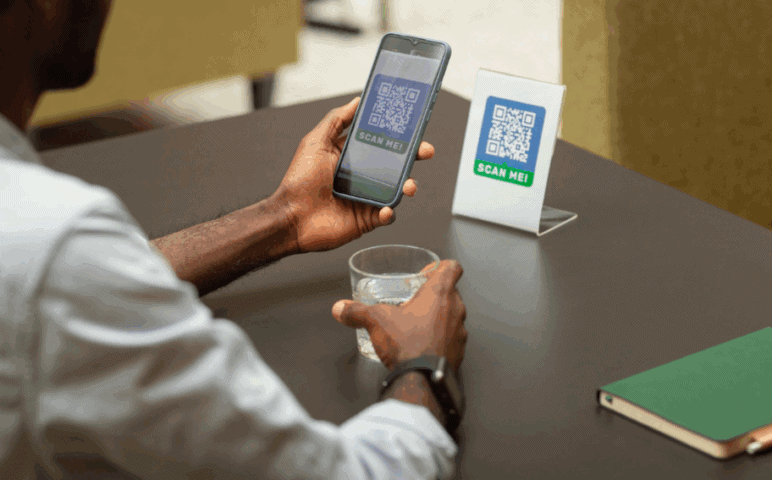
Over the past decade, wireless payment technology has evolved from an innovative convenience into an essential part of modern commerce. The ability to pay without physical connections; whether through mobile wallets, NFC-enabled cards, or QR codes; has transformed the way transactions are handled across retail, hospitality, and service industries. What was once a novelty is now a customer expectation.
The future of wireless POS lies in making these payment experiences even faster, more secure, and universally accessible. With advancements in connectivity and cloud integration, merchants can process payments virtually anywhere; from fixed in-store counters to mobile pop-up markets, outdoor events, and doorstep delivery services. This flexibility supports the growing demand for seamless, on-the-go commerce.
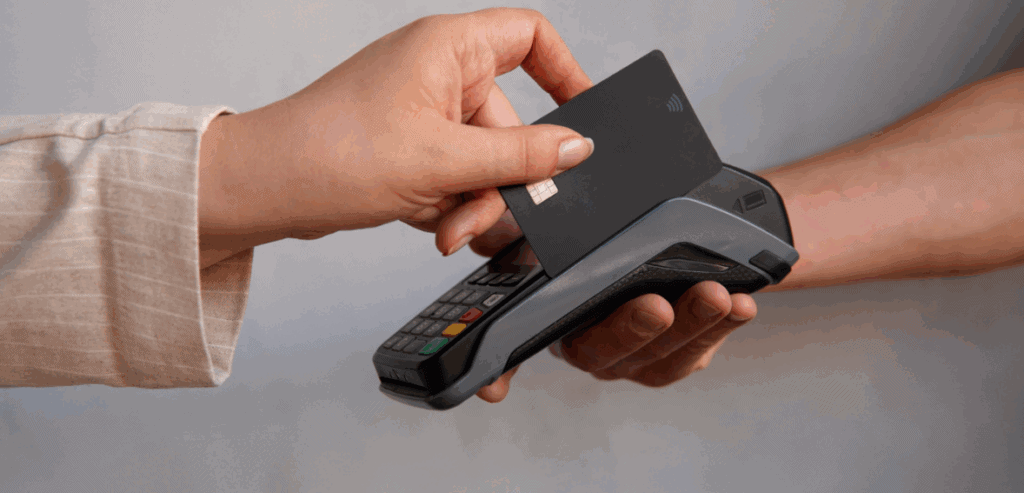
These developments align with the broader payment trends of speed, convenience, and adaptability. Today’s smart card terminals already allow businesses to handle both traditional chip-and-PIN transactions and modern contactless payments on the same device. Looking ahead, we can expect terminals to become smaller, lighter, and even more portable, while offering deeper integration with inventory systems, analytics platforms, and loyalty programs. As they evolve into multifunctional business hubs, wireless POS devices will not just process payments; they will power more efficient, connected, and customer-focused operations.
The Role of 5G in Payment Innovation
One of the most significant drivers shaping the future of wireless POS will be the widespread rollout of 5G networks. Offering faster speeds, lower latency, and highly reliable connections, 5G will allow wireless transactions to be completed in mere seconds, even in busy, high-traffic environments. For mobile vendors, event organizers, and large-scale retail operations, this enhanced connectivity will dramatically reduce the risk of payment delays or interruptions, ensuring a smoother customer experience during peak demand.
In the broader context of payment technology trends, 5G will unlock a host of advanced capabilities that go far beyond basic payment processing. Real-time inventory tracking will become faster and more accurate, cloud-based POS systems will operate seamlessly, and AI-driven customer analytics will deliver instant insights for better decision-making.
Smart card terminals connected via 5G won’t simply handle transactions; they will integrate with multiple business platforms to sync sales, manage stock levels, and track customer engagement in real time. This shift means that payment hardware will evolve into a central component of the digital business ecosystem, supporting operations, marketing, and customer service. In essence, 5G will transform wireless POS devices from simple checkout tools into powerful hubs for smarter, more connected commerce.
Contactless and Mobile Wallet Expansion
Contactless payments are no longer niche – they’re mainstream for millions of consumers. This will continue to shape the future of wireless POS as businesses adapt to the demand for faster, touchless transactions. Mobile wallets like Apple Pay, Google Pay and Samsung Pay are adding loyalty programs, coupons and receipts so they’re an all in one payment and marketing channel.
Within payment technology trends, the development of multi functional smart card terminals that can accept all forms of contactless payments is key. These devices are not only more convenient but also more hygienic and safer which has become even more important in recent years. As more countries adopt contactless limits and encourage cashless transactions, mobile wallet integration will be at the heart of what payment providers do worldwide.
Biometric Authentication for Added Security
Security will always be top of mind as wireless payments become more prevalent. In the future of wireless POS biometric authentication – fingerprint scans, facial recognition or even voice ID – will play a bigger role in securing transactions. This is faster and more secure than PINs or signatures and makes fraud harder.
In line with payment technology trends biometric verification will be built into smart card terminals so merchants can authenticate customers and employees quickly. This will protect against fraud and create a smoother checkout experience. As privacy regulations evolve biometric systems will need to balance security with user consent and data protection so trust remains at the heart of the payment process.
Integration with AI and Machine Learning
AI is already changing industries and payment systems are no exception. In the future of wireless POS AI will detect fraud in real time, offer customers personalized promotions and optimize pricing based on buying behaviour. This will not just be for big businesses but for small and medium sized businesses too.
When paired with smart card terminals, AI integration becomes even more powerful. For example, a terminal could suggest relevant upsells based on past purchases or flag suspicious transactions instantly. These innovations align with payment technology trends focused on making transactions smarter, faster, and safer. As AI continues to advance, we will see payment technology moving beyond simple processing to becoming an active partner in business growth.

The Shift Toward Cloud-Based POS Systems
Cloud technology is reshaping how payment systems operate. Instead of storing transaction data locally, cloud-based solutions sync information across multiple devices and locations in real time. For the future of wireless POS, this means greater flexibility and scalability for businesses of all sizes. Merchants can manage sales, update product catalogs, and review performance from anywhere with an internet connection.
This trend complements the evolution of smart card terminals, which are increasingly designed to connect seamlessly with cloud systems. As part of broader payment technology trends, cloud-based POS solutions reduce hardware dependency, improve data security through automatic backups, and make software updates instantaneous. This ensures that businesses stay current without the disruption of traditional upgrades.
The Role of Wearables in Payments
Wearable payment devices, from smartwatches to fitness trackers, are becoming a notable part of the future of wireless POS landscape. These devices enable consumers to make payments without reaching for a phone or card, offering unparalleled convenience in certain scenarios. For example, a customer on a morning jog could buy a coffee using only their smartwatch.
For payment technology trends, the challenge and opportunity lie in ensuring smart card terminals can accept payments from a growing variety of wearable devices. Compatibility and interoperability will be key as more tech companies enter the payments space. Businesses that adapt quickly to wearable payments will position themselves as forward-thinking and customer-focused.
Enhanced Data Analytics for Merchants
One of the less visible but highly valuable aspects of the future of wireless POS is its potential for generating actionable insights. Modern payment systems can collect and analyze data on sales patterns, customer preferences, and peak transaction times. This helps businesses refine their offerings and marketing strategies.
Advanced smart card terminals will play a role in delivering these insights directly at the point of sale, allowing merchants to make quick, informed decisions. As part of payment technology trends, integrating analytics into everyday operations will help businesses remain agile, competitive, and more responsive to customer needs.
Preparing for Regulatory and Compliance Changes
As wireless payment technologies evolve, so too do the regulations governing them. The future of wireless POS will be shaped by ongoing developments in data protection laws, payment security standards, and consumer rights regulations. Businesses that fail to stay compliant risk both financial penalties and reputational damage.
Keeping smart card terminals updated with the latest encryption methods, tokenization features, and software patches will be essential. These updates align with payment technology trends that emphasize security and transparency. Merchants should work closely with payment providers to ensure that their systems meet or exceed all regulatory requirements, protecting both their customers and their operations.
Sustainability in Payment Technology
Sustainability is becoming a driving force across industries, and the payments sector is no exception. In the future of wireless POS, energy-efficient devices, recyclable materials, and digital receipts will become standard practices. Reducing paper waste and optimizing device lifespans are both environmentally and financially beneficial.
Smart card terminals that require less energy to operate or that are manufactured using eco-friendly processes will gain popularity. As part of emerging payment technology trends, sustainability will not just be a marketing point but a core expectation from both consumers and regulators. Businesses that align their payment technology choices with environmental responsibility will strengthen their brand image and meet growing societal demands.
Cross-Border Wireless Payments and Global Commerce
One of the most exciting things in the future of wireless POS is the ability to do cross border transactions faster and cheaper. As businesses serve customers from different countries – online or in person – payment systems need to adapt to multiple currencies, regulatory requirements and language preferences. Payment technology trends are making this possible with real time currency conversion, blockchain settlements and partnerships between global payment networks. These innovations will allow merchants to go global without the complexities and delays of international payments.
For hardware providers, smart card terminals are evolving to support global acceptance standards so a single device can process transactions from cards and mobile wallets issued anywhere in the world. This simplifies operations for businesses and creates a seamless experience for customers who expect to pay in their preferred method. As tourism, remote work and global trade grows, cross border will be a standard requirement for payment systems so merchants can stay competitive in a borderless world.
Voice-Assisted Transactions and Accessibility
Voice technology is emerging as a surprising but impactful player in the future of wireless POS. By integrating voice assistants into payment systems, merchants can streamline the checkout process, making it faster and more accessible for all customers. For example, a bakery owner could use voice commands to pull up daily sales reports, process a payment, or check inventory without stepping away from the counter. These applications align with payment technology trends that emphasize hands-free convenience and multi-tasking efficiency.
When paired with smart card terminals, voice-assisted technology can also improve accessibility for customers with visual impairments or mobility challenges. They can confirm transactions, hear totals, or receive payment instructions through audio prompts, making the process more inclusive. In high-volume environments, voice-enabled POS systems could speed up service by allowing staff to complete certain actions without manual input. As voice recognition technology becomes more accurate and secure, it will likely play a larger role in everyday transactions, blending convenience, accessibility, and innovation into a single, user-friendly payment experience.
Final Thoughts
The future of wireless POS is a blend of technological advancement, consumer convenience, and enhanced security. From 5G connectivity and biometric authentication to AI integration and wearable payments, the next generation of payment systems will offer more than just transaction processing; they will become central tools for business growth and customer engagement. As payment technology trends continue to evolve, businesses must remain adaptable, embracing innovations like cloud-based systems, sustainable device design, and advanced smart card terminals. Those that invest early in the right solutions will be better positioned to meet customer expectations, improve operational efficiency, and stay ahead in an increasingly competitive marketplace.


Leave a Reply