Menu

The Evolution of Credit Card Terminals: How Top Brands Are Shaping the Future of Payments
By John Misarti January 10, 2025
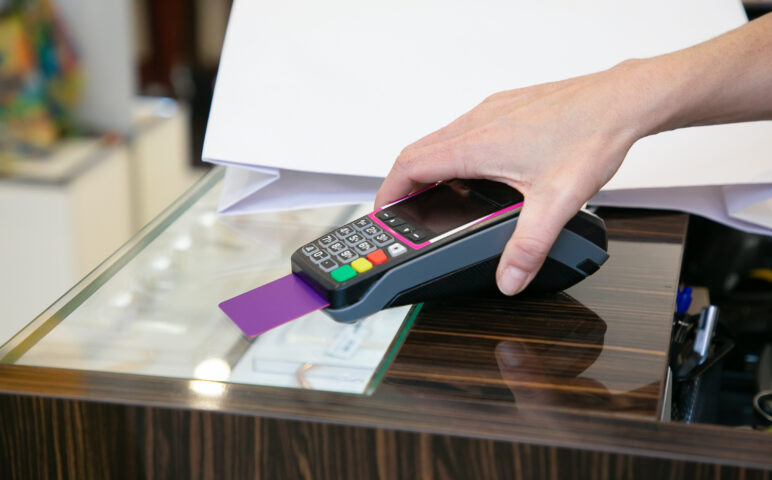
The method by which we make payments has changed considerably over time. From traditional cash registers to electronic payment systems, technology has transformed the way consumers and companies engage. One of the most revolutionary advancements in this field is credit card terminals. What began as basic tools for card swiping has evolved into an advanced system driven by state-of-the-art technology.
Early Beginnings: The Rise of Basic Payment Terminals
Credit card terminals made their debut in the mid-20th century. Initially, they were mechanical devices that required manual effort to imprint card details onto a carbon slip. This process, while revolutionary at the time, had several limitations, including susceptibility to errors and fraud.
During the 1970s, magnetic stripe technology emerged as the new standard. This development enabled machines to read and process electronic data, resulting in quicker and more precise transactions. Leading companies such as Visa and Mastercard were at the forefront of introducing magnetic stripe cards, necessitating merchants to modernize their terminals to electronic POS systems. Although these initial electronic terminals marked a considerable advancement, they had vulnerabilities concerning data security.
By the late 1980s and early 1990s, credit card terminals became more commonplace across retail establishments. Merchants could now process payments in seconds, making them more efficient. The growing adoption of these terminals set the stage for further advancements in payment technology, including the integration of chip-based cards and wireless capabilities.
The Introduction of EMV Technology: A New Standard for Security
As credit card usage increased, so did concerns about fraud. To combat this issue, the industry introduced EMV technology, which stands for Europay, Mastercard, and Visa. Unlike magnetic stripe cards, EMV cards contain a small chip that encrypts transaction data, making it much harder for criminals to clone or steal information.
The introduction of EMV chip cards necessitated merchants to upgrade their terminals yet again. Terminals equipped with EMV technology can read the chip on a card and securely handle encrypted information. This change significantly decreased card-present fraud and enhanced consumer trust in digital transactions.
Top brands such as Ingenico and Verifone played a pivotal role in driving EMV adoption. Their modern payment terminals were designed to be both EMV-compliant and user-friendly. Today, EMV technology is the global standard for secure card transactions, and nearly all terminals are equipped with EMV readers.
Contactless Payments: Speed and Convenience Redefined
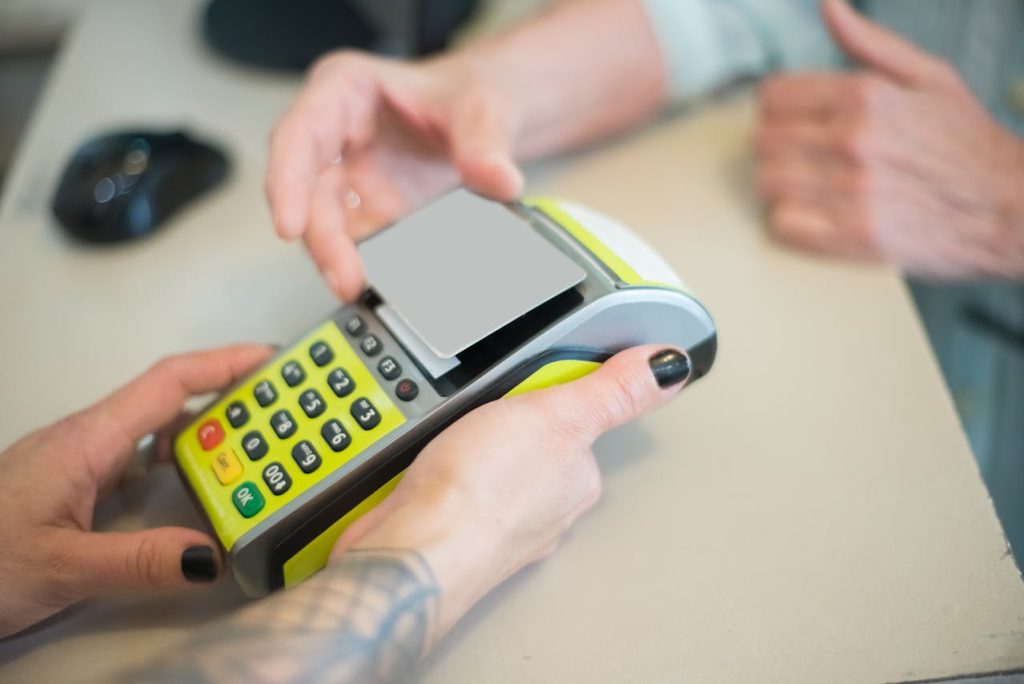
The early 2000s saw the emergence of contactless payment technology. This innovation allowed consumers to make payments by simply tapping their card or mobile device on a terminal equipped with NFC technology.
Contactless payments offer several advantages, including speed, convenience, and hygiene. With no need to insert a card or enter a PIN for small transactions, the checkout process became much faster. This convenience led to widespread adoption, particularly in fast-paced environments like coffee shops and public transportation.
Key credit card providers and tech firms, such as Visa, Mastercard, and Apple, actively encouraged the use of contactless payments. Contemporary payment devices from leading brands were swiftly enhanced to enable NFC technology. Consequently, shoppers now experience effortless transactions with their physical cards as well as digital wallets.
The COVID-19 pandemic further accelerated the adoption of contactless payments. Concerns about hygiene and physical contact drove both consumers and businesses to favor tap-to-pay solutions. This shift highlighted the importance of flexible and future-proof payment terminals.
The Impact of Mobile Payment Solutions on Terminals
The rise of smartphones introduced a new era in payment technology. Mobile payment solutions, such as Apple Pay, Google Pay, and Samsung Pay, allow consumers to store their credit card information digitally and make payments using their phones or wearable devices.
This advancement necessitated the further evolution of payment terminals. Modern terminals must be compatible with different mobile wallets and able to handle payments through NFC. Leading brands reacted by launching multifunctional terminals capable of managing various payment options, such as standard card payments, contactless transactions, and mobile wallet payments.
Beyond just accepting payments, some advanced terminals began offering additional features, such as digital receipts, loyalty program integration, and real-time reporting. This enhanced functionality has made modern payment terminals indispensable tools for businesses seeking to provide a superior customer experience.
The Role of Leading Brands in Shaping the Future
Several top brands have played a crucial role in the evolution of credit card terminals. Their innovations have not only improved transaction speed and security but also paved the way for new digital payment solutions.
Verifone: Founded in 1981, Verifone is one of the pioneers in the payment terminal industry. The company has consistently introduced cutting-edge technology, including EMV-compliant terminals and NFC-enabled devices. Verifone terminals are known for their durability, reliability, and ease of use.
Ingenico: Another major player, Ingenico has been at the forefront of payment technology for decades. The company offers a wide range of terminals that support various payment methods, including contactless payments, mobile wallets, and QR codes. Ingenico’s focus on security and innovation has made it a preferred choice for businesses worldwide.
Square: Square transformed the payment sector by launching a compact, portable card reader that could connect to smartphones and tablets. This breakthrough enabled small enterprises and individual vendors to process card payments without needing to invest in costly POS systems. Currently, Square provides a variety of contemporary payment devices equipped with advanced functionalities such as inventory tracking and analytics.
Smart Terminals and the Future of Payment Technology
The latest generation of payment terminals goes beyond simply processing payments. These smart terminals are equipped with advanced features such as touchscreen interfaces, internet connectivity, and cloud-based management tools.
Smart terminals enable businesses to offer a more personalized and efficient checkout experience. They can integrate with point-of-sale software, manage inventory in real-time, and even run customer loyalty programs. Additionally, smart terminals support a wide range of digital payment solutions, including cryptocurrencies and BNPL options.
As technology keeps advancing, the outlook for payment technology appears bright. Biometric verification, AI-driven fraud prevention, and blockchain-enabled transactions are merely some of the trends influencing the industry. Leading brands are actively investing in these technologies, guaranteeing that their terminals stay relevant and secure in the constantly evolving payment environment.

Challenges and Opportunities in the Payment Terminal Market
Despite the rapid pace of innovation, the payment terminal market faces several challenges. One of the main hurdles is the high cost of upgrading terminals to support new technologies. For small businesses, investing in modern payment terminals can be financially burdensome.
A further challenge is guaranteeing compatibility with various payment methods. With the emergence of new digital payment methods, terminal manufacturers need to constantly upgrade their devices to align with consumer preferences.
However, these challenges also present opportunities for innovation. Brands that can offer affordable, flexible, and future-proof solutions will have a competitive edge. Additionally, the growing demand for contactless and mobile payments presents a lucrative market for terminal manufacturers.
Conclusion
The development of credit card terminals mirrors the wider transformations in the payment sector. From manual imprinters to contemporary payment terminals featuring cutting-edge technology, these devices have evolved significantly. Leading brands such as Verifone, Ingenico, and Square have significantly contributed to fostering innovation and influencing the future of payments.
As digital payment solutions continue to gain traction, the need for versatile, secure, and user-friendly terminals will only grow. Businesses that embrace these advancements will be well-positioned to meet the evolving needs of their customers. The future of payment technology is bright, and credit card terminals will remain at the forefront of this exciting journey.


Leave a Reply