Menu


Startup Savvy: Why Renting Credit Card Terminals May Be Smarter Than Buying
By John Misarti June 16, 2025
Setting up payment systems is just one of many decisions that come with starting a new company. Nowadays, practically every startup needs to be able to accept credit card payments. However, the question still stands: should you buy or rent the required equipment?
Hardware purchases may seem like a one-time expense, but for startups attempting to strike a balance between cost and flexibility, they might not always be the best course of action. Credit card terminal rental for startups is turning out to be a more sensible option for many startups, giving them access to modern technology without the high upfront costs or long-term commitment.
Upfront Costs Can Drain a Startup Budget
When launching a business, managing cash flow is often the number one priority. Every dollar spent must bring measurable value. For this reason, credit card terminal rental for startups becomes an attractive option. Buying a terminal outright can cost several hundred dollars, and that’s not including software licenses, maintenance, or future upgrades.
For startups, this initial expense can be a burden. Renting allows businesses to preserve capital and redirect it toward core needs like inventory, marketing, or hiring. Rental providers often include support services and software updates in their monthly fees, which reduces unexpected costs down the line. In a fast-changing market, holding onto cash means better preparation for future uncertainties. That flexibility gives small business owners more room to adapt and grow without being locked into expensive hardware they may outgrow.
Technology Upgrades Without Reinvestment
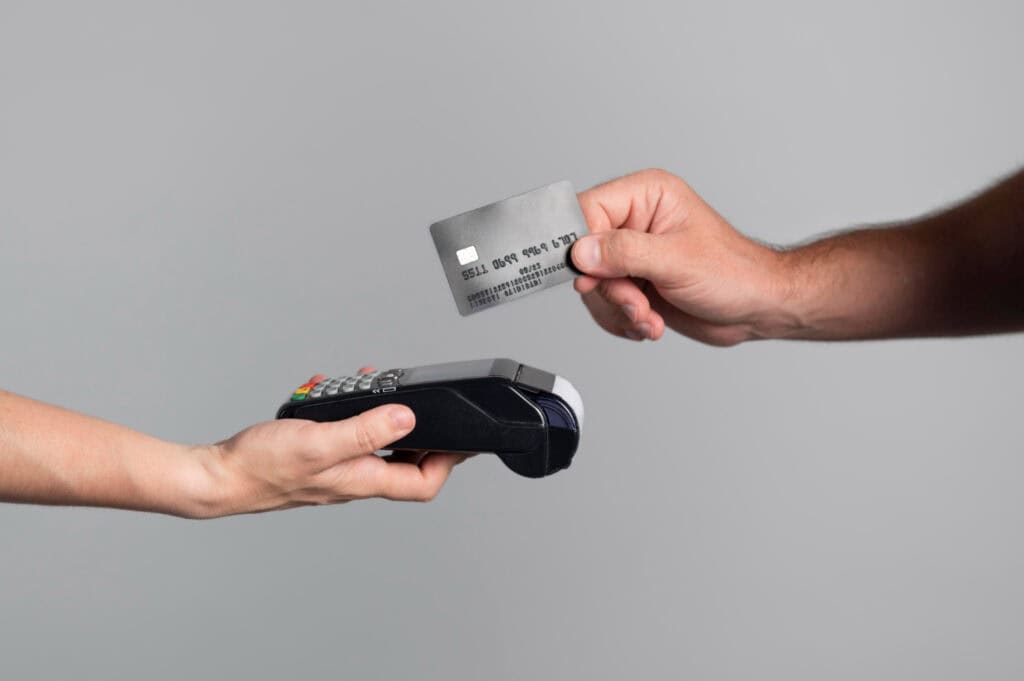
Payment technology evolves quickly. A card terminal purchased today may become outdated in just a few years, especially as new payment types emerge and compliance standards shift. When you rent, you benefit from continual access to the latest models without having to purchase new equipment every time the industry changes.
This is especially important for small business POS solutions that aim to stay competitive. Rental agreements often cover the cost of updating to newer hardware, allowing companies to provide their clients with the convenience of tap-to-pay, mobile wallets, and contactless payments. The customer journey is improved and your brand is positively reflected when you can offer modern payment experiences. Renting makes it simpler to future-proof your business and allows you to meet customer expectations without having to make additional capital investments.
Flexibility for Seasonal and Mobile Businesses
Not all startups have fixed locations or consistent customer volume. Many food trucks, pop-up stores, event vendors, and service-based businesses operate seasonally or on-the-go. For these ventures, the flexibility of credit card terminal rental for startups is a huge advantage.
You can scale up your hardware needs during busy months and return or downsize when demand dips. This pay-as-you-go model aligns perfectly with businesses that need dynamic solutions rather than fixed costs. If your operations change, you’re not stuck with unused equipment gathering dust or depreciating in value.
This flexibility also supports mobile and remote transactions. Many rental providers offer wireless and mobile-compatible terminals that work with cellular or Wi-Fi connections. This mobility allows businesses to accept payments wherever they are, enhancing service delivery and customer convenience.
Lower Risk in a Fast-Moving Business Landscape
Established companies might not have to deal with the same level of uncertainty as startups. Before deciding on a successful model, some businesses make several pivots. Others shut down or take a different course in the first year. Renting makes sense because it reduces risk in such an uncertain environment. By renting reasonably priced payment hardware, you can avoid making long-term commitments or purchases that might eventually become obsolete. You can modify your payment setup without losing your investment if your business model or industry changes.
This approach helps business owners maintain a lean operation. Renting allows you to test different POS systems, understand customer preferences, and collect usage data before deciding whether to invest in a permanent setup later. It is a more measured, data-driven approach to growth.
Built-In Support and Maintenance
Technical issues can hurt your business reputation and disrupt cash flow. When a credit card terminal fails, every minute counts. Rental agreements typically come with built-in support, maintenance, and replacement services that make sure your equipment is always running smoothly. This is another area where POS solutions for small business benefit. With purchased hardware, you are responsible for troubleshooting and repair costs. With rented terminals, help is usually just a call away. Providers offer remote diagnostics or even send replacement units quickly if the issue can’t be fixed on-site.
The convenience of having expert assistance reduces stress and avoids lost sales. In many cases, this support also includes compliance checks, software patches, and firmware upgrades, helping your business stay secure and up to date without the added workload.
Trying Before You Buy
Not all payment terminals are created equal. Some are easier to use, offer better connectivity, or come with more user-friendly software interfaces. Renting gives startups the chance to try different models and providers before settling on a long-term solution.
For teams that are not familiar with payment technology, this try-before-you-buy strategy is extremely beneficial. You have the option to test different devices under actual business settings rather than settling on a single brand or kind of hardware. From a technical and customer service standpoint, this procedure assists you in determining what best suits your requirements.
Once you know what suits your operations, you can either continue renting or opt to buy the preferred model. Either way, your choice is informed and based on hands-on experience, which reduces the risk of buyer’s regret.
Easier Integration With Modern POS Systems
Today’s POS systems are far more than just cash registers. They integrate inventory management, customer relationship tools, and real-time analytics. However, integrating hardware with software can sometimes be tricky. Choosing credit card terminal rental for startups from a vendor that specializes in integrated solutions ensures that your terminal works seamlessly with your POS software. This compatibility saves time and eliminates frustration, especially for businesses with limited technical know-how.
Many rental providers offer bundled options where terminals come pre-configured to work with popular POS solutions for small business. This removes the need for technical setup or costly integration services. For startups trying to move fast and stay lean, that kind of plug-and-play simplicity is invaluable.
Regulatory Compliance Made Easy
PCI compliance is one of the security and regulatory requirements that come with processing payments. Although these rules are intended to safeguard consumer information, they can also be challenging to comply with. Renting a credit card terminal for a startup has several unintended advantages, one of which is that it relieves you of the compliance burden. In order to comply with industry standards, the majority of rental terminals undergo frequent updates. Additionally, providers offer advice to companies on how to keep their operations secure, which is particularly beneficial for new business owners.
Non-compliance can lead to hefty fines and customer trust issues. Renting ensures that your hardware is always in line with the latest rules, keeping your operations secure and your reputation intact.
Matching Equipment to Business Growth
As your startup grows, your payment needs will evolve. A single countertop terminal may work for now, but in a year, you might need multiple devices across various locations. Renting allows you to scale your payment setup in tandem with business growth. This scalability is crucial for businesses expanding into new markets or hiring more staff. With affordable payment hardware available on a rental basis, you can match demand without financial strain. Adding terminals during a holiday rush or a product launch becomes easy and stress-free.
Likewise, if your growth slows or you shift strategies, you can downsize your payment infrastructure just as quickly. This level of agility supports long-term planning and ensures your business remains efficient during both busy and quiet periods.
Comparing Long-Term Costs
Long-term cost savings is a common justification for purchasing equipment. Although this might be the case in certain situations, the hidden costs of ownership often make renting the better option. These consist of upkeep costs, software upgrades, repairs, and replacing obsolete hardware. All of these services are usually included in your monthly rent. In contrast to the uncertainty of unforeseen expenses, the cost is predictable and affordable. That stability is crucial for startups with little financial runway.
Additionally, renting helps avoid depreciation. Technology loses value quickly, and payment hardware is no exception. Rather than owning an asset that becomes obsolete, you’re paying for a service that always keeps you up to date and ready for change.
Real-World Success Stories
Many entrepreneurs credit terminal rental with helping them get started. Consider a small bakery that launched during a festival season. Instead of investing in expensive hardware, they rented wireless terminals to process payments quickly in a mobile setup. When the event season ended, they returned the equipment, having kept their costs low and profits high.
Another example is a boutique retail store that tested various POS solutions for small business through short-term rentals. After six months, they found a system that fit their needs perfectly. Only then did they commit to buying that specific hardware. The ability to test and adapt made their setup more reliable and customer-friendly from day one.
These stories show how flexible and practical rental options can empower new businesses and provide a smoother path to profitability.
Conclusion
Every decision matters for startups juggling limited funds, shifting markets, and changing consumer needs. One of the best decisions a new company can make is to rent a credit card terminal instead of buying the equipment completely. Without going overboard, renting provides flexibility, cost savings, and access to contemporary features that foster growth. You can get the equipment you need with less financial risk by renting it, whether you’re looking for small business POS solutions or just reasonably priced payment hardware.
As the business world continues to shift toward agile, service-based models, renting technology, especially payment terminals, is becoming a standard approach. For entrepreneurs focused on building, learning, and scaling efficiently, it may just be the savviest move of all.


Leave a Reply