Menu

Smart vs. Traditional Credit Card Terminals: Which Brand Offers the Best of Both Worlds?
By John Misarti January 31, 2025
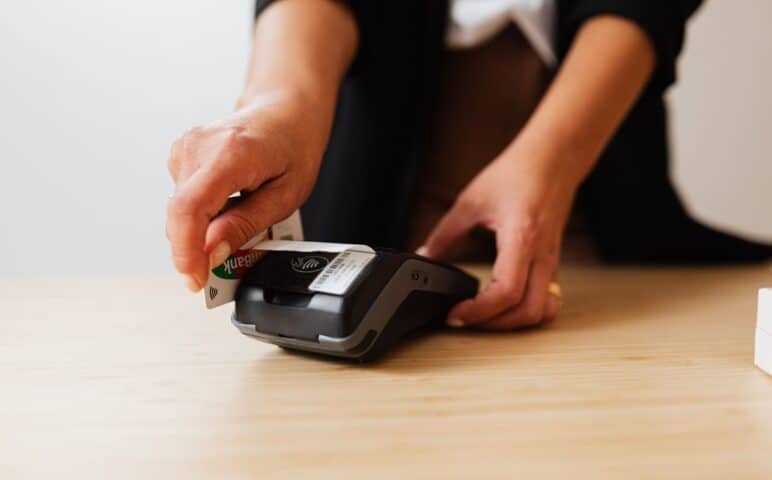
The method by which companies handle payments has changed markedly over the years. Although conventional credit card terminals have been essential to commerce for many years, smart payment terminals have appeared as a creative alternative.
As more companies accept digital solutions, the question emerges—should you retain traditional card machines, switch to smart payment terminals, or choose a hybrid payment option that merges the advantages of both?
Traditional Card Machines: A Reliable Payment Method
For years, traditional card machines have been an essential part of payment processing. They provide a stable and secure transaction process, making them a preferred choice for many businesses, especially those that require straightforward, no-frills payment processing.
How Traditional Card Machines Work
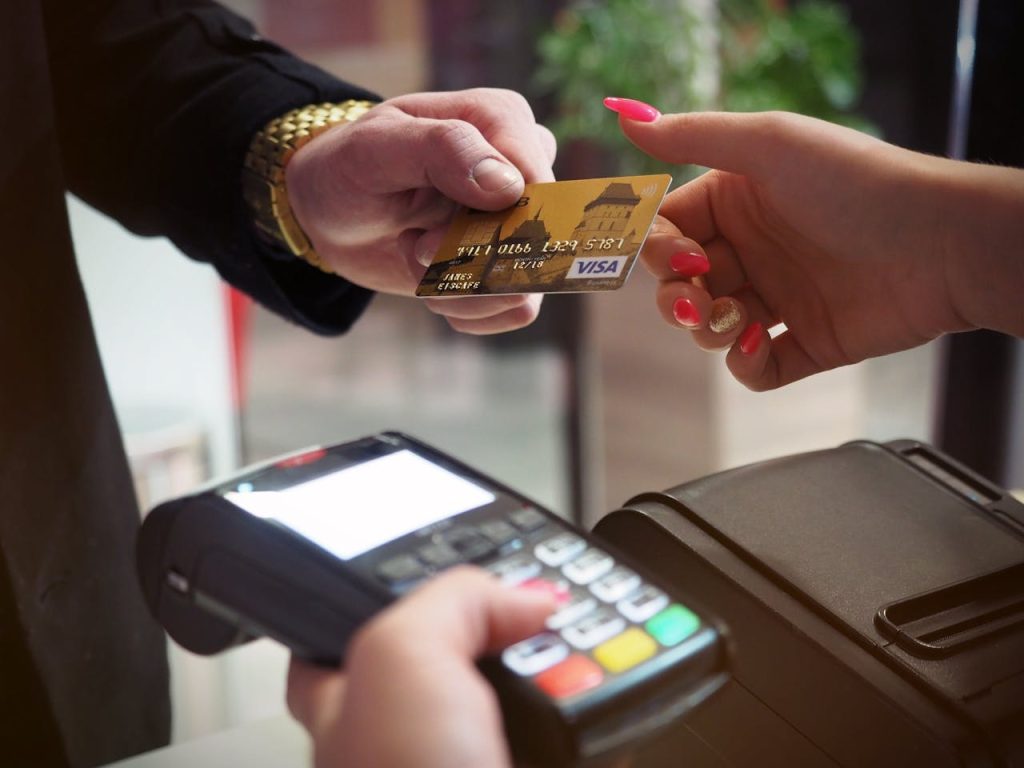
Conventional terminals function by linking to a telephone line, Ethernet, or mobile network. Customers finalize transactions with their chip cards, swipe cards, or PIN-enabled debit cards. Most conventional card machines generate paper receipts for documentation, guaranteeing clarity in transactions.
Advantages of Traditional Credit Card Terminals
Despite the rise of digital solutions, traditional terminals continue to hold value due to their security, reliability, and simplicity.
One of their biggest advantages is their strong security measures. Because these devices do not require internet connectivity, they are less susceptible to cyber threats compared to smart payment terminals. Unlike internet-connected devices, they do not store transaction data in the cloud, reducing the risk of hacks or data breaches.
A key advantage is their reliable performance. Conventional card machines do not depend on applications, software upgrades, or external integrations, which makes them very reliable. Entrepreneurs need not be concerned about system failures, software incompatibility problems, or regular upkeep.
Additionally, these machines are user-friendly. Employees can quickly process payments without needing extensive training. Their simplicity is ideal for businesses with high transaction volumes, such as grocery stores, gas stations, and retail outlets, where speed and efficiency are critical.
Limitations of Traditional Card Machines
While traditional card machines are dependable, they come with certain limitations that may not align with modern business needs.
One drawback is limited functionality. These machines only process payments and do not offer additional features like inventory tracking, customer analytics, or loyalty program integration. Businesses that require deeper insights into their transactions may find these devices restrictive.
Another drawback is the absence of mobility. The majority of conventional card machines are connected by wires, which makes them fixed and not ideal for mobile enterprises. Restaurants, delivery companies, and outdoor sellers might face challenges due to these restrictions.
Additionally, some models still rely on outdated dial-up connections, leading to slower transaction speeds. This can be frustrating for businesses dealing with long queues, especially during peak hours.
Despite these drawbacks, traditional card machines remain a reliable option for businesses that prioritize security, simplicity, and low maintenance costs.
The Rise of Smart Payment Terminals
With the increasing adoption of digital transactions, businesses are moving toward smart payment terminals—devices that do more than just process payments.
What Sets Smart Payment Terminals Apart?
Unlike traditional card machines, smart payment terminals function as mini POS systems. These devices have touchscreen interfaces, cloud integration, and multiple payment acceptance methods, allowing businesses to enhance their transaction experience.
Key Benefits of Smart Payment Terminals
A major benefit of smart terminals is their multi-functionality. These devices extend beyond payment processing; they can oversee inventory, monitor sales trends, retain customer information, and connect with third-party applications. Companies can track their financial performance instantaneously and make well-informed choices.
Another standout feature is contactless payment support. With the increasing popularity of mobile wallets (Apple Pay, Google Pay, Samsung Pay), QR code payments, and NFC-enabled credit cards, smart terminals provide businesses with a future-ready solution. Customers enjoy a fast and seamless checkout process, reducing waiting times.
Additionally, smart terminals allow remote management. Since they are cloud-connected, business owners can access sales data, track transactions, and update pricing remotely. This is particularly useful for businesses that operate in multiple locations.
These devices are additionally more engaging. Their touchscreen capabilities deliver a contemporary customer experience, enabling merchants to provide digital receipts, tailored promotions, and loyalty rewards programs straight from the terminal.
Challenges of Smart Payment Terminals
Despite their benefits, smart terminals have some drawbacks that businesses must consider.
The higher upfront cost is one of the most significant challenges. Unlike traditional card machines, smart payment terminals come with hardware costs, software subscriptions, and additional fees for cloud services. For small businesses, these expenses might not be justifiable.
A different concern is software reliance. Intelligent terminals need frequent software updates, which could cause unanticipated system outages or technical issues. Should the system malfunction, companies might struggle to handle payments, resulting in possible revenue decline.
Additionally, cybersecurity risks are a concern. Since these devices connect to the internet, they are more vulnerable to hacking and data breaches than traditional card machines. Businesses must invest in robust security measures to protect customer data.
Despite these challenges, smart payment terminals offer a modern, efficient, and highly customizable solution for businesses that want to go beyond simple transactions.
Hybrid Payment Solutions: A Perfect Middle Ground?
For businesses that want both security and advanced features, hybrid payment solutions are an ideal choice. These devices combine the stability of traditional card machines with the technology of smart payment terminals, making them a versatile payment option.
Why Businesses Are Choosing Hybrid Terminals
One of the key advantages of hybrid payment solutions is transaction flexibility. These devices support all major payment methods, including chip-and-swipe cards, mobile wallets, and contactless transactions. Businesses can cater to a wider customer base without needing separate terminals.
Another significant advantage is the support for offline transactions. In contrast to smart terminals that need continuous internet access, hybrid devices are capable of handling payments even during network outages. This guarantees that companies can keep functioning without interruptions.
Hybrid terminals are also cost-effective. Instead of purchasing two separate payment systems, businesses can use a single device that provides both traditional and smart capabilities, reducing operational expenses.
Another benefit is scalability. Hybrid payment terminals expand alongside a business. Regardless of whether a business begins on a small scale or grows larger, these solutions offer advanced functionalities when required without necessitating an abrupt change.
These benefits make hybrid payment solutions a strong alternative for businesses that value both traditional security and modern convenience.
Which Brands Offer the Best Hybrid Payment Solutions?
Square Terminal
Square Terminal is a sleek, modern payment device that supports chip, swipe, and contactless transactions. It features a built-in receipt printer and digital invoicing, making it an excellent choice for small businesses.
Clover Flex
Clover Flex is a mobile, comprehensive payment system created for businesses requiring transactions while in motion. It provides sales monitoring, loyalty program integration, and a robust POS system, making it perfect for retail and dining businesses.
PAX A920
PAX A920 is a smartphone-style hybrid payment terminal featuring Wi-Fi, Bluetooth, and 4G connectivity. Its high-speed processing, security features, and mobile POS functions make it a future-proof payment solution.
Final Thoughts
Selecting the appropriate payment terminal relies on a business’s requirements and the volume of transactions. Although conventional card machines ensure dependability, smart payment terminals deliver enhanced features. Hybrid solutions provide the advantages of both worlds, making them an ideal option for companies aiming for efficiency, security, and scalability.
As payment technology continues to evolve, businesses must adapt to consumer preferences and industry trends, ensuring a seamless payment experience for their customers.


Leave a Reply