Menu

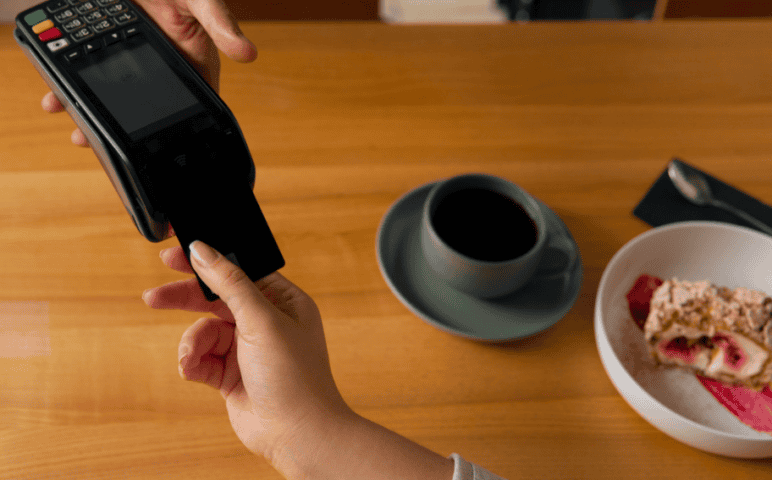
Integrated POS System: Combining POS, Inventory, and Billing in One Device
By John Misarti June 10, 2026
Modern businesses operate in an environment where speed, accuracy, and efficiency are more important than ever. Customers expect quick transactions, accurate billing, and seamless service regardless of whether they are shopping in a retail store, dining at a restaurant, or purchasing products from a bakery. At the same time, business owners need real-time visibility into sales, inventory levels, customer behaviour, and financial performance. Managing all these processes through separate systems can create unnecessary complexity, increase costs, and lead to operational inefficiencies.
This is why integrated payment systems have become increasingly popular across industries. Rather than relying on multiple standalone tools, businesses can now manage transactions, inventory, billing, and reporting through a single connected platform. An integrated POS system brings together several critical business functions into one device, simplifying daily operations and reducing manual work. By combining payment processing, stock management, and invoicing capabilities, these systems help businesses operate more efficiently while improving customer experiences.
Understanding Integrated Payment Systems
An integrated payment system is a technology solution that combines various business functions into a single platform. Instead of using separate software for payments, inventory tracking, billing, and reporting, businesses can manage everything through one connected device or application. This approach creates a unified workflow where information automatically flows between different business functions without requiring manual data entry.
Traditionally, businesses often relied on separate tools for different tasks. A cash register handled sales, inventory was tracked manually or through spreadsheets, and accounting records were maintained separately. While this approach worked for many years, it often resulted in duplicate work, data inconsistencies, and delayed access to important information. An integrated POS system eliminates these challenges by ensuring that every transaction automatically updates inventory levels, billing records, and financial reports in real time. This seamless flow of information creates greater operational accuracy and helps business owners make more informed decisions.
Why Businesses Are Moving Toward Unified Systems
The shift toward integrated business technology is largely driven by the need for greater efficiency. Modern businesses generate large amounts of operational data every day. Managing this information across disconnected systems can be time-consuming and prone to errors. Employees may need to enter the same information multiple times, increasing the risk of mistakes and inconsistencies.
Unified systems simplify operations by centralising business functions within a single platform. An all-in-one payment terminal allows businesses to process transactions, manage stock, generate invoices, and access reports without switching between multiple devices or software programs. This not only saves time but also improves accuracy by reducing manual intervention. As businesses continue to focus on operational efficiency and customer satisfaction, integrated solutions have become an increasingly attractive option for organisations of all sizes.
The Evolution of POS Technology
POS technology has evolved significantly over the past few decades. Early cash registers were designed primarily to record sales and calculate transaction totals. While effective for basic transactions, they provided limited insights into broader business operations. As technology advanced, digital POS systems introduced features such as inventory management, customer tracking, and reporting capabilities.
Today, the integrated POS system has evolved into a comprehensive business management platform. Modern systems connect multiple operational areas and provide real-time access to critical business data. Businesses can monitor sales performance, track inventory movement, analyse customer preferences, and manage financial reporting from a single interface. This evolution reflects the growing demand for solutions that support both operational efficiency and strategic decision-making.
Combining Payment Processing and Billing
One of the most important benefits of integrated systems is the ability to combine payment processing and billing within a single workflow. Every sale automatically generates a transaction record, updates financial data, and creates accurate billing documentation. This reduces the need for separate invoicing systems and minimises the risk of billing errors.
Businesses often face challenges when payment processing and billing systems operate independently. Transactions may need to be reconciled manually, leading to delays and potential discrepancies. An all-in-one payment terminal eliminates this issue by ensuring that payment information is instantly connected to billing records. Customers receive accurate invoices, while businesses maintain complete transaction histories without additional administrative effort. This integration improves financial accuracy and creates a smoother experience for both customers and employees.
Inventory Management in Real Time
Inventory management is one of the most critical functions within many businesses. Maintaining accurate stock levels helps prevent shortages, reduce waste, and improve purchasing decisions. However, inventory tracking can become difficult when sales data and stock records are maintained separately.
An integrated POS system automatically updates inventory levels whenever a transaction occurs. As products are sold, stock quantities are adjusted in real time. This provides immediate visibility into product availability and allows businesses to identify low-stock items before they become a problem. Real-time inventory management reduces the need for manual stock counts and helps prevent situations where products are oversold or unavailable when customers need them.
Businesses that use retail management software often find that inventory accuracy improves significantly. Automated inventory tracking also supports better forecasting by providing detailed information about sales patterns and product demand. These insights help businesses make smarter purchasing decisions and optimise inventory investment.
Simplifying Daily Business Operations
Running a business involves countless daily tasks, from processing sales and managing stock to handling customer inquiries and generating reports. When these activities rely on separate systems, employees often spend valuable time switching between platforms and manually transferring information. This can reduce productivity and increase the likelihood of mistakes.
Integrated payment systems simplify daily operations by creating a single source of information. Employees can access sales data, inventory records, customer information, and billing functions through one interface. Business owners can monitor operations without needing to compile data from multiple sources. This streamlined approach reduces administrative workloads and allows staff to focus more on customer service and business growth.
The adoption of business automation tools further enhances operational efficiency by automating repetitive tasks such as inventory updates, invoice generation, and sales reporting. Automation reduces human error while ensuring that critical processes are completed consistently and accurately.
Improving Customer Experience
Customer experience plays a major role in business success. Shoppers expect quick transactions, accurate billing, and efficient service. Delays caused by outdated systems, inventory confusion, or billing errors can negatively affect customer satisfaction and discourage repeat business.
Integrated payment systems contribute to a smoother customer journey by enabling faster transactions and more accurate service. An all-in-one payment terminal processes payments quickly while automatically updating inventory and billing records. Employees can check stock availability instantly, answer customer questions more effectively, and complete purchases without unnecessary delays.
Customers also benefit from improved billing accuracy and access to digital receipts. When businesses use connected systems, transaction details are recorded automatically, reducing the risk of pricing discrepancies or duplicate charges. These improvements create a more professional and reliable customer experience that strengthens loyalty over time.
Enhancing Business Visibility Through Reporting
One of the greatest advantages of integrated systems is access to comprehensive business insights. Data collected from sales, inventory, and billing activities can be analysed to identify trends, measure performance, and support strategic decision-making. Without integration, gathering this information often requires manual data collection and reconciliation.
Modern retail management software provides real-time reporting capabilities that help businesses understand their operations more effectively. Sales reports can reveal top-performing products, peak transaction periods, and revenue trends. Inventory reports can highlight stock movement patterns and purchasing needs. Financial reports provide visibility into profitability and cash flow performance.
Having access to accurate, up-to-date information enables business owners to make decisions based on real data rather than assumptions. This level of visibility supports better planning, more effective resource allocation, and improved overall business performance.
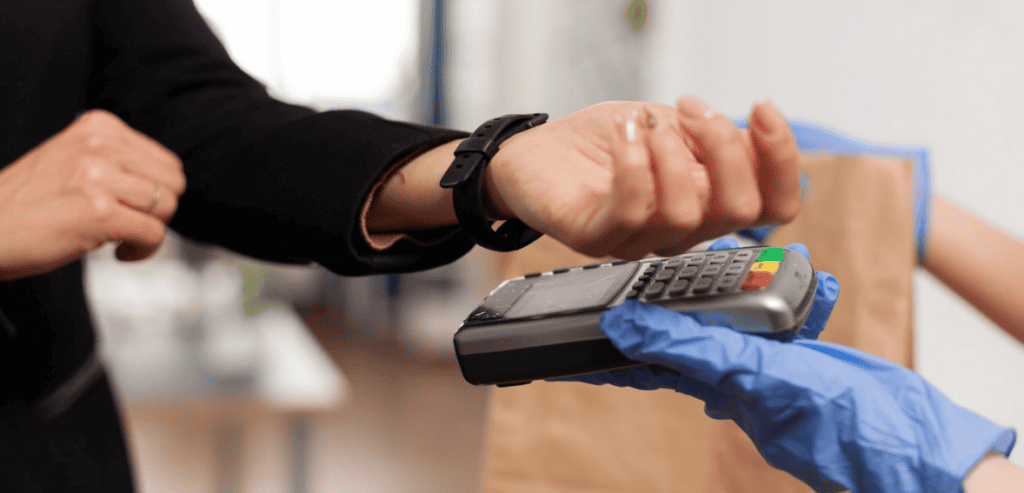
Supporting Multi-Location Businesses
The more companies open new branches, the more complicated they become. The problem is keeping track of sales, inventory, and finances at each location when they are not connected. The challenge for entrepreneurs lies in maintaining control over everything.
With the help of an integrated POS system, all company locations can be connected into one unified network. Information on sales, inventory, and finances can be accessed in one place, and does not depend on which particular location was used to do transactions.
It will be easier for multi-location companies to move inventory between locations, compare indicators, and maintain the same prices in all stores. With the help of automation, companies will be able to grow while maintaining minimum administration costs.
Reducing Human Error Through Automation
Manual processes are one of the leading causes of operational errors. Data entry mistakes, inventory discrepancies, billing inaccuracies, and reporting errors can all affect business performance. While employees strive for accuracy, human error remains unavoidable in busy work environments.
Automation helps reduce these risks by handling routine processes automatically. An integrated POS system eliminates many manual tasks by connecting transactions directly to inventory and financial records. Product pricing, tax calculations, discounts, and inventory updates occur automatically according to predefined rules.
Businesses that implement retail management software often experience improved accuracy across multiple areas of operation. By reducing reliance on manual processes, organisations can minimise costly mistakes and ensure that information remains consistent throughout the business.
Security and Data Protection Benefits
The growth in the amount of digital data handled by companies makes security an important aspect today. Information about payments, clients’ details, inventories, and company accounts has to be secured against any possible intrusion. The use of many separate systems may lead to security risks, complicating information security procedures.
A more systematic solution to information security is offered by integrated systems. This means a unified system for managing various aspects of information security like user permissions, access controls, encryption technologies, and others. All of these functions may be available right in an all-in-one payment terminal. Centralized management of information security allows easier monitoring and auditing. It becomes simpler to detect unusual behavior and suspicious activities, securing not only your company but also your customers.
Cost Savings Through Integration
While implementing new technology requires investment, integrated systems often generate significant cost savings over time. Maintaining multiple software subscriptions, hardware devices, and support contracts can be expensive. In addition, manual processes consume valuable employee time that could be spent on more productive activities.
By consolidating functions within a single platform, businesses can reduce software costs, minimise hardware requirements, and streamline training efforts. Employees only need to learn one system rather than multiple applications, reducing onboarding complexity and improving productivity.
Business automation tools also contribute to cost savings by reducing labour-intensive tasks and improving operational efficiency. Fewer errors, better inventory management, and faster transaction processing can all have a positive impact on profitability.
The Growing Role of Cloud Technology
Cloud-based technologies have been integral to the success of current integrated payment systems. Cloud technology makes it easy for businesses to access data regardless of where they are as long as they can maintain synchronization between data stored in different devices. This benefit is especially useful to the business owner as it allows him to monitor the progress of his business operation at any time.
Retail management systems that are cloud-based offer business owners real-time data about their business operation. The systems make it easy to access sales data and to know how much stock you have left on your inventory. Business owners can easily access their business data through computers and even mobile phones such as tablets and cell phones. The incorporation of the cloud technology into the POS system has led to a powerful system that offers better solutions to business management issues.
Preparing for Future Business Growth
Businesses adopting integrated solutions have a greater chance of being equipped to deal with their future expansion plans. Growth brings about a large volume of transactions and complex operations, which cannot be done using disconnected software solutions and may limit the organisation’s growth potential. The use of integrated solutions guarantees that the business has all necessary resources to achieve future growth easily and without much hassle.
The integration of payments allows the business to expand because there will not be any need to make any changes in its operations when adding new products, services, staff, and branches since the processes will remain the same. Business automation helps businesses cope with change due to the constantly changing environment and evolving customer demands.
Conclusion
Integrated payment systems have transformed the way businesses manage daily operations. By combining payment processing, inventory management, billing, and reporting within a single platform, these solutions simplify workflows and improve operational efficiency. An integrated POS system eliminates the need for disconnected tools while ensuring that information flows seamlessly across all business functions.
From enhancing customer experiences and improving inventory accuracy to reducing human error and supporting future growth, the benefits of integration are substantial. Whether through an all-in-one payment terminal, advanced retail management software, or powerful business automation tools, businesses can gain greater control over their operations while making smarter decisions based on real-time data. As technology continues to evolve, integrated payment systems will remain a critical component of efficient, scalable, and customer-focused business management.


Leave a Reply