Menu


Eco-Friendly Payment Solutions: Sustainable Credit Card Terminal Brands Making a Difference
By John Misarti January 29, 2025
Environmental sustainability is no longer a secondary concern; it’s a necessity. As businesses strive to reduce their ecological footprint, even the payment industry is transforming. The rise of eco-friendly payment terminals, sustainable credit card readers, and green payment technology highlights a global commitment to combating climate change. This article dives into how sustainable payment solutions are reshaping the industry and explores some key players making a difference.
Why Eco-Friendly Payment Terminals Matter
The global push toward sustainability has reached the payment industry for a good reason. Traditional credit card terminals often rely on non-recyclable plastics and inefficient manufacturing processes that contribute to waste and energy overuse. Add to that the environmental cost of producing physical receipts, shipping devices, and disposing of outdated terminals, and you see a clear opportunity for change.
Eco-friendly payment terminals are designed to minimize these impacts. They use recycled materials, energy-efficient components, and software that supports paperless transactions. This shift not only reduces environmental harm but also aligns with the preferences of environmentally conscious consumers and businesses.
For example, studies show that more than 60% of millennials prefer brands that adopt sustainable practices. By offering green payment technology, businesses can appeal to this growing demographic while playing a part in creating a cleaner planet.
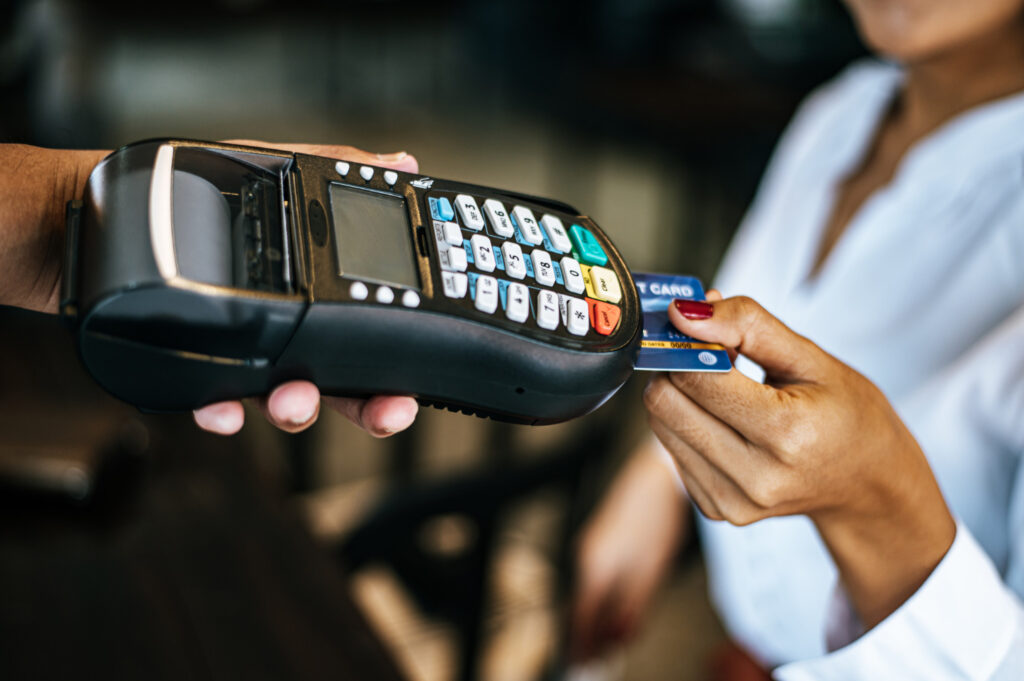
Materials Matter: Sustainable Credit Card Readers
A critical step in making credit card readers more sustainable lies in the materials used to manufacture them. Traditional payment terminals are often made of non-recyclable plastics, but innovative brands are now replacing these with more sustainable alternatives.
Many companies are turning to recycled plastic or biodegradable materials. For instance, Ingenico, a leading payment solutions provider, has developed terminals using plastics made from recycled electronic waste. This move significantly reduces the environmental footprint of their devices. Additionally, biodegradable materials like plant-based polymers are being introduced, which decompose naturally and minimize long-term pollution.
Another material innovation comes in the form of eco-friendly packaging. Instead of using single-use plastic wraps, companies are transitioning to recycled cardboard or plant-based protective materials. These efforts might seem small but collectively contribute to reducing waste and promoting a circular economy in the payment technology sector.
Energy Efficiency in Green Payment Technology
Beyond the materials, the energy consumption of payment terminals is a vital factor. Traditional credit card terminals often consume unnecessary power when left idle, wasting energy over time. Sustainable credit card readers, however, are being designed with energy efficiency in mind.
Energy-efficient terminals include components that consume less power during transactions and idle periods. For example, solar-powered POS devices are entering the market, especially in regions with unreliable electricity. These systems harness renewable energy and operate efficiently even in remote areas, significantly reducing the reliance on fossil fuels.
Moreover, many modern terminals support contactless payments, which are faster and require less energy compared to older magnetic stripe readers. These energy-saving innovations not only cut operational costs but also reflect a company’s commitment to environmentally friendly practices.
Paperless Transactions: A Game-Changer for Sustainability
The shift to paperless transactions is a cornerstone of green payment technology. Traditional systems often rely on printed receipts, leading to deforestation and waste generation. In contrast, eco-friendly payment solutions emphasize digital receipts, which are both cost-effective and environmentally responsible.
Digital receipts can be sent via email or text, eliminating the need for paper entirely. Additionally, advanced software in eco-friendly terminals allows businesses to track and store transaction records securely in the cloud. This reduces paper use while enhancing operational efficiency.
For example, Square, a prominent payment solutions provider, has integrated paperless receipt options into its POS systems. This move has saved thousands of trees annually and offers businesses a way to cut costs while appealing to eco-conscious customers.
Leading Brands in Sustainable Payment Solutions
Several brands are setting the standard for eco-friendly payment terminals and leading the charge in sustainable financial transactions. Let’s explore some key players.
1. Ingenico
Ingenico has introduced a range of terminals made from recycled materials. They’ve also implemented energy-efficient designs to reduce power consumption. Their commitment to sustainability extends to packaging, with eco-friendly materials replacing traditional single-use plastics.
2. IDEMIA
IDEMIA’s GREENPAY initiative focuses on reducing the carbon footprint of payment processes. Their terminals incorporate recycled materials, and the initiative promotes digital-first solutions that minimize physical waste.
3. Verifone
Verifone has been working on integrating energy-efficient processors into its devices. They also encourage businesses to adopt digital receipts to reduce paper consumption and environmental waste.
4. Square
Square has taken the lead in paperless transactions by offering comprehensive digital receipt options. Their portable, energy-efficient terminals align with the goals of sustainable credit card readers.
Digital Payments: The Eco-Friendly Revolution
The rise of digital payment platforms is revolutionizing how transactions are carried out. Platforms like Google Pay, Apple Pay, and PayPal allow consumers to make purchases using mobile phones, eliminating the need for physical cards and terminals altogether.
Digital payments are particularly beneficial for sustainability because they reduce the environmental cost associated with producing, distributing, and disposing of physical cards. They also integrate seamlessly with eco-friendly payment terminals, creating a more cohesive approach to reducing carbon footprints.
By 2025, digital payments are expected to account for over 60% of global transactions. This shift will significantly reduce waste and energy consumption, marking a major milestone in the adoption of green payment technology.
Challenges and Opportunities in Green Payment Technology
While the adoption of sustainable credit card readers and green payment technology is promising, there are challenges to overcome. For one, the initial cost of eco-friendly payment terminals may deter small businesses. Additionally, integrating sustainable solutions into existing systems can require technical expertise and infrastructure upgrades.
Despite these hurdles, the opportunities far outweigh the challenges. Businesses that embrace sustainability can benefit from enhanced brand reputation and stronger customer loyalty. Moreover, regulatory incentives and subsidies for eco-friendly practices are making it easier for companies to adopt green payment solutions.
Governments worldwide are recognizing the importance of sustainability and introducing policies to support eco-friendly innovations. For example, tax breaks for businesses adopting energy-efficient technologies provide a financial incentive to make the switch.

The Future of Sustainable Payment Solutions
The future of eco-friendly payment terminals is bright. Innovations such as biodegradable card readers, solar-powered systems, and entirely digital payment ecosystems are shaping the next generation of financial transactions.
As technology advances, we can expect these solutions to become more accessible and affordable for businesses of all sizes. Partnerships between technology providers, financial institutions, and environmental organizations will drive this transformation forward.
Conclusion
Eco-friendly payment solutions are not just a trend—they are a necessity in today’s world. By adopting sustainable credit card readers and embracing green payment technology, businesses can play a critical role in reducing environmental impact. These efforts not only help the planet but also align with the values of modern consumers.
As innovation continues, the payment industry has the potential to lead the way in sustainability, proving that financial technology can be both efficient and environmentally responsible.


Leave a Reply