Menu

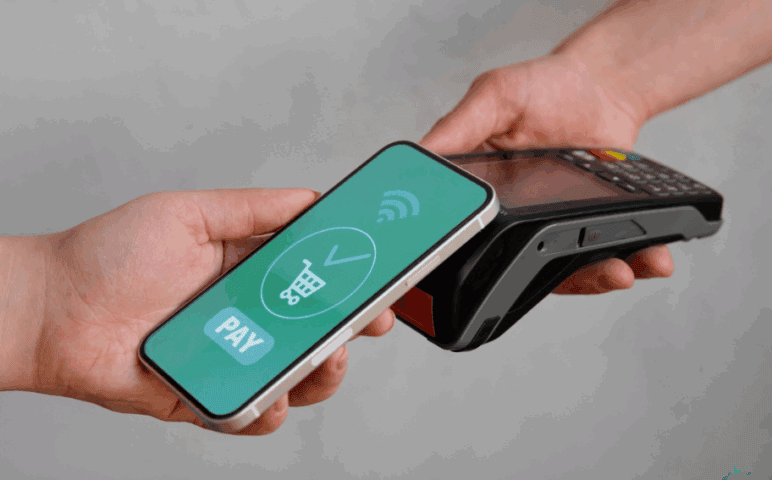
Choosing the Best Wireless Terminal for Your Business
By John Misarti August 21, 2025
For any business, accepting payments smoothly and securely is key to daily life. As technology advances, wireless payments have become the norm for flexibility and customer convenience. Whether you run a retail store, restaurant or service based business, choosing the right wireless POS system can make all the difference to efficiency, sales and customer satisfaction.
Unlike traditional countertop machines, wireless terminals let you serve customers wherever they are; at the table, on the shop floor or even in the field. This flexibility is especially important for small to medium sized businesses where mobility and adaptability can mean the difference between making a sale and losing one. With so many options out there, choosing the right terminal requires understanding of features, costs, connectivity options and business needs.
Why Wireless Terminals Matter Today
Contactless payments and digital wallets have changed how customers expect to interact with businesses. People want fast, secure and convenient payment methods which is why wireless terminals have become so popular. Having the best wireless POS means you can take card, mobile wallet and tap to pay transactions all in one device. For businesses like food trucks, delivery services and mobile vendors wired terminals are not practical so wireless is the obvious choice.
Even brick and mortar retailers benefit as these terminals reduce checkout lines as staff can complete transactions anywhere in the store. Wireless also integrates well with cloud based systems so transactions are recorded in real time and synced with inventory or accounting software. For small business payment solutions this level of efficiency improves customer experience and back office management. By going mobile with card terminals businesses are showing they are modern, agile and ready for changing customer expectations.
Key Features to Look for in Wireless Terminals
When looking at different devices, focus on the features that will support your business. The best wireless POS terminals have multiple payment methods (chip, swipe, contactless). Security is key (PCI compliant encryption for business and customer data). Long battery life is crucial for mobile vendors who need to be up and running all day. Speed of transaction is important too, slow transactions will frustrate customers.
For small business payment solutions, ease of use is just as important (staff should be able to use the device with minimal training). Another feature to consider is connectivity (some mobile card terminals use Wi-Fi, others Bluetooth, many use both with cellular). And finally integration with business management systems will make the terminal more than just a payment device.
Comparing Wireless POS vs Traditional Systems
Old school countertop card machines have been the backbone of payment processing for years but wireless technology can’t be beat. The best wireless POS gives you freedom of movement, no phone line or dedicated power source required. This is a game changer for restaurants with table service, contractors taking payments on site, event vendors processing sales outside. Traditional systems give you stability but not flexibility, you’re tied to one location.
For small business payment solutions wireless is scalability, you can expand your services without being limited by infrastructure. Mobile card terminals are also more cost effective for businesses without fixed premises, less overhead and still secure payment processing. Some larger operations may still prefer traditional terminals but for most modern businesses wireless is the better option.
Cost Considerations and Pricing Models
Cost is one of the biggest factors when choosing a payment terminal. The upfront cost of the best wireless POS can vary depending on features, brand and connectivity. Some providers will sell you the device outright, others will lease or rent. Beyond the hardware there are processing fees to consider, transaction percentages, monthly service charges and payment gateway costs. For small business payment solutions you need to balance cost with functionality, make sure the device meets your current needs and leaves room for growth.
Many mobile card terminals come with bundled software services which can make life easier but add subscription fees. You should also factor in costs for customer support, upgrades and security compliance. Comparing providers transparently is key as hidden fees can eat into your profit margins over time. Wireless may cost more upfront but the long term benefits of mobility, efficiency and customer satisfaction often outweigh the cost.
Security and Compliance in Wireless Payments
Security is a top priority for both businesses and customers when it comes to payments. The best wireless POS devices have advanced encryption and tokenization to protect cardholder data during transactions. PCI DSS compliance is a must, so the terminal provider meets global security standards. For small business payment solutions, trust with customers is key and secure systems protect against fraud or data breaches.
Many mobile card terminals have two-factor authentication or secure logins for staff to reduce the risk of unauthorised access. Software updates are another layer of protection as they patch vulnerabilities and improve security over time. Look for terminals with end-to-end encryption to minimise the risk of interception. Educate your staff to never store card data manually. By prioritising security and compliance you can take payments without losing customer trust.
Integration with Business Operations
The true power of wireless payment systems lies in how well they integrate with the broader business ecosystem. The best wireless POS devices go beyond processing payments, connecting seamlessly with inventory systems, accounting platforms, and customer relationship management tools. For small business payment solutions, this integration reduces manual work, cutting down on errors and saving time.
For example, a retail business could have sales automatically recorded and stock levels updated in real time, while a service-based company might connect payments directly to its invoicing system. Mobile card terminals also offer reporting features, giving business owners insights into sales patterns, peak hours, and customer preferences. This data-driven approach allows companies to make informed decisions about staffing, promotions, and product offerings. Ultimately, a terminal that integrates well with existing tools transforms from a payment device into a full business management solution, improving efficiency and profitability across the board.

Benefits for Small Businesses
For smaller companies, the advantages of wireless payment technology are particularly clear. The best wireless POS devices provide mobility that allows businesses to serve customers in different locations, whether at community events, trade shows, or on-site appointments. This flexibility is vital for industries like food trucks, home services, and pop-up retail. Incorporating wireless solutions into small business payment solutions also reduces reliance on cash, improving safety and minimizing reconciliation errors.
The convenience of mobile card terminals often translates into more sales, as customers are more likely to buy when their preferred payment method is accepted. For small businesses with limited staff, these devices also streamline workflows, freeing up time for owners and employees to focus on customer service rather than back-office tasks. In many cases, adopting wireless systems helps level the playing field with larger competitors, giving small businesses access to the same technologies that drive efficiency and growth.
Future of Wireless Payment Technology
Looking ahead, wireless payment systems will continue evolving as consumer habits and technology change. The best wireless POS of tomorrow will likely incorporate artificial intelligence, predictive analytics, and even more seamless integration with digital wallets. For small business payment solutions, future terminals may include features like biometric authentication or voice-enabled transactions, further improving convenience and security.
As mobile card terminals become smarter, they will provide even more detailed data on customer behavior, helping businesses refine their offerings. The expansion of 5G networks will also improve connectivity, ensuring faster and more reliable processing regardless of location. Another emerging trend is sustainability, with devices designed to be energy-efficient and environmentally friendly. Non-cash payments are expected to dominate in the coming years, making it essential for businesses to invest in systems that can keep up with innovation. Those who adopt advanced wireless technology early will position themselves as modern, customer-focused, and competitive in an increasingly digital economy.
Customer Experience and Wireless Payments
One of the strongest arguments for adopting the best wireless POS is the direct impact it has on customer experience. Today’s buyers expect quick and seamless payment interactions, and delays at checkout can leave lasting negative impressions. Wireless systems allow transactions to be completed tableside at a restaurant, on a showroom floor, or at a customer’s doorstep, making the process feel effortless. For businesses exploring small business payment solutions, this flexibility is a key advantage because it reduces friction and creates a modern, customer-friendly environment.
The convenience of mobile card terminals also encourages impulse purchases, since customers can finalize sales on the spot without having to wait in line. By prioritizing convenience, businesses not only improve satisfaction but also increase the likelihood of repeat business. In competitive industries, the difference between winning or losing a sale often comes down to speed and efficiency. Wireless payment systems deliver on both fronts, making them an essential tool for companies that want to stand out by offering a smoother, faster, and more personalized buying experience.
Training Staff to Use Wireless Terminals
The success of even the best wireless POS depends on how effectively staff can use it. Employees must feel confident operating the device, troubleshooting minor issues, and explaining the payment process to customers. For small business payment solutions, ease of training is crucial since teams are often smaller, and every employee may be expected to handle transactions.
Fortunately, most modern mobile card terminals are designed with user-friendly interfaces, making the learning curve relatively short. Still, businesses should set aside time for practical demonstrations and role-playing to ensure smooth adoption. Training should also emphasize security practices, such as handling cards properly, protecting customer data, and recognizing signs of fraud.
Investing in training reduces errors, boosts transaction speed, and builds staff confidence, which in turn reassures customers. Well-trained employees transform payment processing from a mechanical task into an extension of customer service. When staff know how to maximize the features of wireless systems, businesses gain not just efficiency but also a stronger reputation for professionalism and reliability.
Connectivity Challenges and Reliable Performance
While wireless systems offer unmatched flexibility, they are dependent on strong and reliable connections. The best wireless POS models are designed to handle various connectivity options, including Wi-Fi, Bluetooth, and 4G or 5G cellular networks. However, businesses must consider the quality of their local internet infrastructure before committing to specific devices. For small business payment solutions, connectivity lapses can translate into lost sales opportunities or frustrated customers, making backup options essential.
Many mobile card terminals now come with offline processing capabilities, allowing transactions to be stored and synced once the connection is restored. This ensures that business does not stop during temporary outages. Reliability should also extend to battery performance, as mobile vendors cannot afford devices shutting down mid-transaction.
Testing different connectivity modes and ensuring access to technical support are key steps in building a dependable payment system. When businesses address potential connectivity challenges proactively, they protect themselves against disruptions and ensure their wireless payment solution remains consistent and trustworthy.
Building Long-Term Value from Wireless Investments
Purchasing the best wireless POS should not be seen as a short-term expense but as a long-term investment in business growth. Wireless systems create value beyond daily transactions by integrating with customer databases, loyalty programs, and sales analytics. For businesses that rely on small business payment solutions, this ability to gather insights helps refine operations and marketing strategies.
Mobile card terminals also reduce dependency on cash, which cuts down on accounting complexities and improves security for both staff and customers. Over time, the efficiency gains from faster processing and fewer errors directly impact profitability. Businesses that adopt wireless systems early are also better positioned to scale as they expand into new markets or services.
What begins as a tool for convenience can evolve into a cornerstone of customer engagement and business intelligence. By thinking long term, owners ensure that their investment in wireless technology pays dividends not only in immediate customer satisfaction but also in sustained growth and competitiveness.
Conclusion
Selecting the right wireless credit card terminal is one of the most important decisions a business can make when it comes to payment processing. The best wireless POS system not only ensures smooth transactions but also enhances customer satisfaction, integrates with business operations, and supports long-term growth. For businesses of all sizes, but especially for small enterprises, adopting small business payment solutions that include mobile card terminals provides flexibility, efficiency, and security. By focusing on features, costs, compliance, and integration, business owners can identify the device that best aligns with their needs.
Wireless technology has moved beyond being a luxury and is now a necessity in the modern payment landscape. Investing in the right solution today sets the foundation for success tomorrow, ensuring businesses remain competitive and responsive to customer expectations in a world where speed, convenience, and trust define the customer experience.


Leave a Reply