Menu

Self-Service Payment Kiosks: Reducing Queues and Improving Efficiency
By John Misarti July 2, 2026
Customer expectations have changed significantly over the past decade. Today’s shoppers value speed, convenience, and flexibility whenever they make purchases. Whether visiting a grocery store, restaurant, pharmacy, entertainment venue, or retail outlet, people increasingly expect transactions to be completed quickly without long waiting times. As a result, businesses across many industries are exploring new technologies that help improve customer experiences while streamlining daily operations.
One solution gaining widespread popularity is the self-service payment kiosk. These systems allow customers to complete purchases independently without waiting for assistance from a cashier. From scanning products and making payments to printing receipts and completing orders, self-service kiosks have become an important part of modern retail environments.
For businesses, these systems offer benefits beyond customer convenience. They can help reduce queues, improve operational efficiency, optimize staff allocation, and support higher transaction volumes during busy periods. At the same time, customers gain greater control over the checkout process and often experience shorter waiting times.
As labour costs rise and customer expectations continue evolving, self-service payment kiosks are becoming an increasingly valuable component of modern retail operations. Understanding how these systems contribute to efficiency helps businesses make informed decisions about adopting retail automation technology.
Understanding Self-Service Payment Kiosks
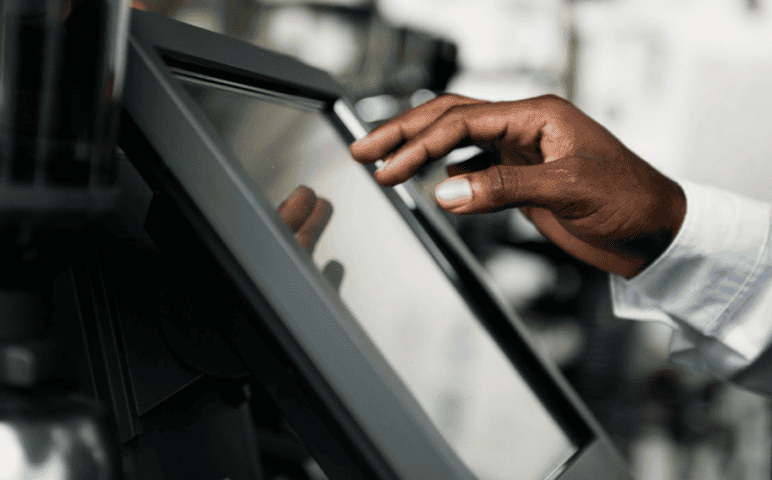
A self-service payment kiosk is an interactive terminal that allows customers to complete purchases independently. Rather than relying entirely on cashiers, shoppers can scan products, select payment methods, process transactions, and receive receipts using the kiosk interface.
These systems are now common across supermarkets, convenience stores, restaurants, cinemas, airports, transportation hubs, hospitals, and many other customer-facing environments. Depending on the business, kiosks may support product purchases, ticket sales, bill payments, service bookings, or food ordering.
Modern kiosk POS systems are designed to provide intuitive interfaces that guide customers through each stage of the transaction process. Clear instructions, touchscreens, barcode scanners, payment terminals, and receipt printers work together to simplify the overall experience.
The growing adoption of self-service payment kiosk technology reflects broader changes in customer preferences. Consumers increasingly appreciate having greater flexibility and control over how they complete transactions.
Why Long Queues Hurt Customer Experience
Queuing is arguably the main source of client frustrations. No matter how good the products are or how pleasant the ambiance of the shopping environment is, long waiting times often leaves bad impressions.
Long lines can also dissuade people from making purchases, especially those who are short on time. It is possible that some customers will give up on their planned purchases just because of long lines in front of cash registers.
Companies also miss chances to increase profits when lines at checkouts reduce their ability to process transactions in the peak hours. Even the best promotion campaign cannot bring results if the checkout process cannot cope with the inflow of customers.
Automation of checkout lines solves such problems through adding more transaction points without increasing the staff proportionally.
How Self-Service Kiosks Improve Checkout Speed
Among the notable strengths of the self-service payment kiosk technology is speedier transaction processing. For customers who have just a few items to buy, they are able to make their purchases quickly without being held up by bigger transactions.
Using more than one kiosk at once increases the number of transactions processed at checkout while spreading out customer traffic to all the available payment stations.
Automation of the entire checkout process has eliminated a number of lags inherent in using cashiers to complete the processes. The customer scans for his/her item, chooses a payment method, and completes the purchase process on their own.
Even though some people might need assistance when using the machines for the first time, many find themselves becoming more conversant with time.
Supporting Customer Convenience
Convenience has become one of the most important competitive advantages in modern retail. Customers increasingly choose businesses that simplify shopping experiences and minimize unnecessary delays.
Self-service payment kiosk solutions provide flexibility by allowing customers to control transaction pace. Some shoppers appreciate moving quickly through checkout, while others prefer reviewing purchases independently before completing payments.
The ability to complete transactions without waiting for cashier availability appeals particularly to customers making smaller purchases or visiting during busy periods.
Retail automation technology supports convenience by providing multiple checkout options rather than forcing every customer into identical processes.
Offering choice often improves customer satisfaction because different shoppers have different preferences regarding checkout experiences.
Improving Operational Efficiency
Efficiency in retail does not only mean completing the transaction in a fast way. Businesses have to strike a balance between staffing, customer service, stock keeping, and operational cost in order to achieve efficiency and high service quality.
The Kiosk POS system contributes to the efficiency of businesses by automating the process of checkout. The employees that were engaged in the task of transaction completion can help customers, restock products, answer questions, and perform other tasks.
Automation also aids businesses in handling the change in the number of customers effectively. Extra capacity for transactions is created without increasing the number of staff during busy periods.
Efficiency enables businesses to allocate their resources in a better way. Operational improvements do not only happen in checkout but also have an impact on overall business performance.
Helping Staff Focus on Higher-Value Tasks
Some people assume self-service technology replaces employees entirely. In practice, many businesses use automation to reassign staff toward activities requiring human interaction rather than eliminating positions altogether.
Employees remain essential for assisting customers, resolving problems, maintaining displays, managing inventory, and providing personalized service.
Retail automation technology allows staff to spend less time performing repetitive scanning activities and more time supporting customer needs throughout the store.
This shift often improves both productivity and customer satisfaction. Employees engage in more meaningful interactions while customers receive assistance when necessary.
Automation therefore complements rather than replaces many aspects of traditional customer service.
Managing Peak Shopping Periods
Retail outlets often face predictable periods of higher customer activity. Weekends, holiday seasons, marketing activities, and special events can result in sudden spikes in transaction volumes.
The hiring of extra cashiers may not always be the most effective way out for retailers. Hiring extra people, allocating them shifts, and training them requires considerable costs.
Self-checkout solutions enable retailers to cope better with higher customer demand, as transaction capabilities get increased during peak periods.
Consumers enjoy reduced waiting lines, while businesses are able to alleviate congestion without having to pay a huge amount of money on extra labour. Performance during the peak periods usually becomes one of the major reasons for self-service kiosks adoption.
Enhancing Accuracy During Transactions
POS kiosks in current times have incorporated various forms of technology, which help enhance transaction accuracy. Scanners minimize the possibility of data input errors, while payment systems ensure that transactions are processed using the set procedures.
Customers also get an opportunity to look at their purchases before paying for them.
Automated retail technologies are usually linked with the inventory systems to ensure that the inventories get updated once sales transactions are processed.
Better accuracy is beneficial not only in terms of accounting but also in terms of inventory management and customer satisfaction. Minimizing manual errors ensures that business processes are enhanced.
Supporting Multiple Payment Methods
Consumer payment preferences continue evolving. Customers increasingly expect businesses to accept credit cards, debit cards, contactless payments, mobile wallets, and other digital payment options.
Self-service payment kiosk technology typically supports multiple payment methods within a single transaction interface. Customers choose whichever option best suits their preferences.
Flexible payment capabilities improve convenience while reducing transaction delays associated with limited payment acceptance.
Businesses also benefit because modern payment systems integrate with broader retail infrastructure, simplifying reconciliation and financial reporting.
Supporting diverse payment preferences helps retailers meet changing customer expectations more effectively.
Integrating Kiosks with Retail Systems
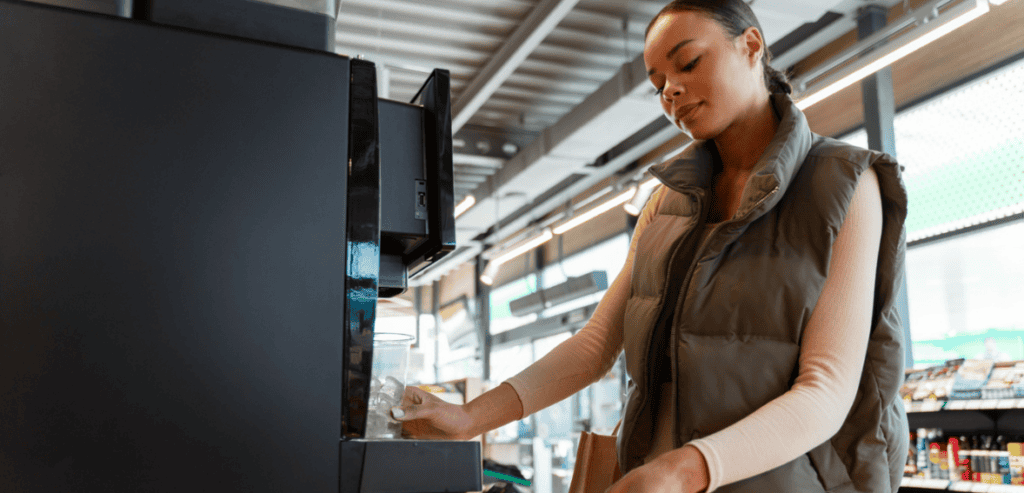
Successful kiosk implementations depend on effective integration with existing retail systems. Inventory management, pricing databases, loyalty programmes, customer accounts, promotions, and payment processing platforms must all work together seamlessly.
Kiosk POS systems typically connect with broader POS infrastructure to ensure consistent pricing, inventory updates, and transaction reporting across all sales channels.
Integrated systems reduce duplicate data entry while improving operational visibility for management teams.
Retail automation technology delivers the greatest value when it functions as part of a coordinated operational ecosystem rather than as an isolated solution.
Strong integration supports smoother operations throughout the entire business.
Customer Adoption and Ease of Use
Introducing new technology requires consideration of customer comfort levels. While many shoppers embrace self-service quickly, others may initially prefer traditional cashier assistance.
Successful implementations provide clear instructions, intuitive interfaces, and nearby employees available to answer questions when necessary.
Most customers become more comfortable with self-service payment kiosk technology after using it several times. Familiarity increases confidence and reduces transaction times.
Businesses should also maintain alternative checkout options for customers requiring additional assistance or preferring traditional service.
Providing choice encourages broader acceptance while accommodating diverse customer preferences.
Common Challenges Businesses Should Consider
Although self-service technology offers many advantages, successful implementation requires thoughtful planning. Businesses must evaluate store layouts, customer demographics, transaction volumes, and operational objectives before investing.
Equipment maintenance, software updates, technical support, and security all require ongoing attention. Malfunctioning kiosks can create frustration if issues are not resolved promptly.
Retail automation technology also requires employee training. Staff should understand how to assist customers, troubleshoot basic problems, and maintain equipment effectively.
Planning carefully before implementation helps businesses maximize benefits while minimizing operational challenges.
Technology works best when supported by strong processes and knowledgeable employees.
The Future of Automated Checkout
Automation continues reshaping retail operations as technology evolves. AI, computer vision, biometric authentication, and advanced analytics are expanding the capabilities of automated checkout systems.
Future self-service payment kiosk solutions may offer even more personalized experiences, predictive assistance, and seamless payment options. Integration with loyalty programmes and mobile applications is also expected to become increasingly sophisticated.
Retail automation technology will likely continue supporting greater operational efficiency while adapting to changing customer expectations.
As businesses seek competitive advantages through convenience and efficiency, automated checkout solutions are expected to play an increasingly important role across many industries.
The future of retail will likely combine human service with intelligent automation rather than relying exclusively on either approach.
Conclusion
Customer expectations for speed and convenience continue shaping the evolution of modern retail. Long checkout lines not only frustrate shoppers but also limit business efficiency and revenue potential. Self-service payment kiosk technology provides an effective solution by expanding checkout capacity, reducing waiting times, and improving overall customer experiences.
Automated checkout systems help businesses process transactions more efficiently while allowing employees to focus on higher-value customer service activities. At the same time, kiosk POS systems integrate with broader operational infrastructure to improve accuracy, inventory management, and reporting capabilities.
Retail automation technology is not simply about replacing manual processes. It is about creating more flexible, efficient, and customer-focused retail environments that adapt to changing consumer expectations.
As technology continues advancing, self-service payment kiosks will likely become even more common across retail and service industries. Businesses that invest thoughtfully in these solutions position themselves to improve operational efficiency, enhance customer satisfaction, and remain competitive in an increasingly convenience-driven marketplace.


Leave a Reply