Menu

The Rise of SoftPOS: Turning Smartphones into Payment Terminals
By John Misarti August 21, 2025
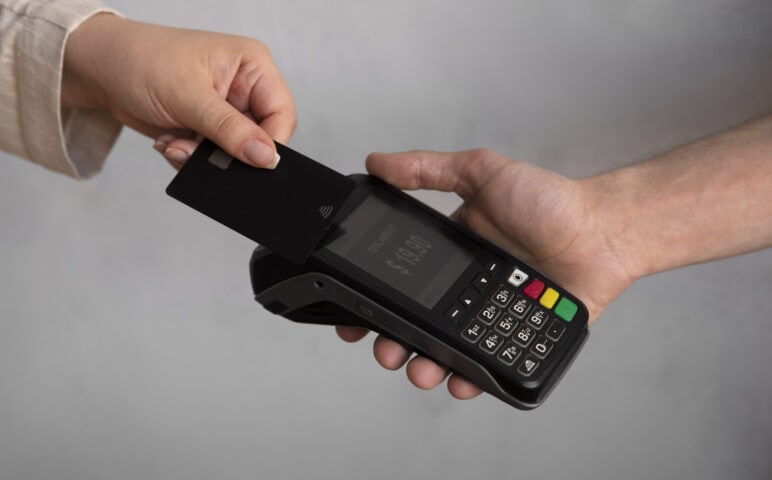
Smartphones are already the centerpiece of our daily routine and they do it all, from communicating and navigating, to entertainment and even work. Now, they are entering yet another powerful role; converting to payment acceptance devices. Merchants have been using clunky point-of-sale (POS) hardware or card readers to process digital payments for years. Although these systems worked, they required big-buck capital expenses, ongoing maintenance, and technological expertise that often left small and medium-sized businesses out in the cold. That is where SoftPOS came into picture
SoftPOS is a software-based solution that can transform any standard NFC phone into the contactless terminal. No dongles or cables or extra devices required. Just an app and a smartphone. This offers a stark contrast to the legacy POS systems which, as mentioned before, rely on proprietary hardware and often require a contract with a payment processor.
The timing couldn’t be better. In 2025, contactless payments are expected to be the preferred method of payment for consumers and the preferred payment method for merchants. Across regions, regulators are adopting secure tap-to-pay frameworks, and the underlying technology has matured to a level of confidence, speed and scalability that we can trust, he added. For merchants, it becomes a matter of accessibility, the possibility of accepting payments anywhere and anytime with no need to invest in costly equipment from payment processors. Let us understand more about this in detail.
What is SoftPOS?
SoftPOS stands for “Software Point of Sale” which is a technology that allows for the use of any standard NFC-enabled smartphone or tablet as a secure payment terminal. That means merchants install an app that allows them to take contactless payments on the move, rather than relying on external hardware, like card readers or large checkout systems.
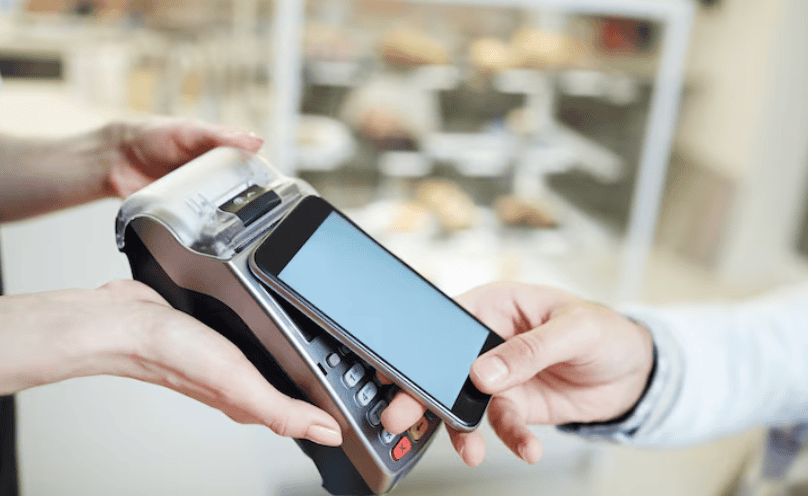
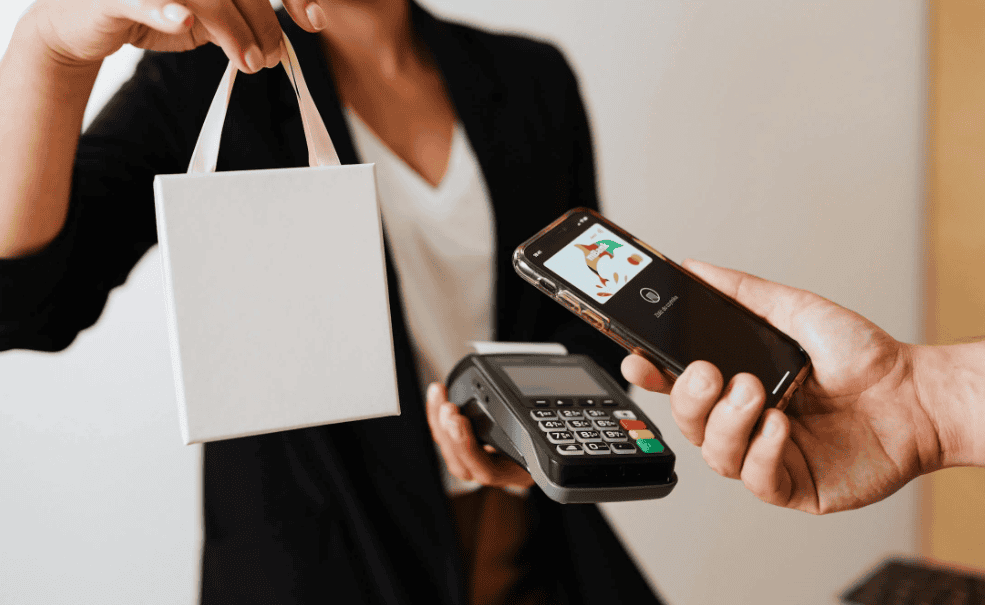
SoftPOS primarily enables businesses to receive tap-to-pay transactions right from contactless credit and debit cards. However, that is not all this can do. It also integrates flawlessly with digital wallets, such as Apple Pay, Google Pay and Samsung Pay, offering customers the ability to pay how they want to. PIN on Glass is also supported by many SoftPOS solutions and enables customers to safely enter their card’s PIN number directly on the device touchscreen for higher-value transactions.
This is what sets apart SoftPOS, simply because of its convenience. There is no need for proprietary terminals, service contracts, or hefty upfront investments, as there are with traditional POS systems. Unlike with mobile card readers, merchants also do not need to worry about attachments, dongles or replacements when hardware breaks. Although QR code–based solutions are more affordable and simple to implement, they still fall short of the universal and trusted form of acceptance of the card-tap. SoftPOS not only solves all the above issues, it is affordable, no hardware requirements, completely wireless payment technology, and feels very familiar for consumers.
SoftPOS is proving to be flexible, adopted by diverse industries today: Delivery riders of food can accept payments at the doorstep of customers. It helps small retailers, pop-up shop owners, and others maintain cash-only constraints. Taxi and ride-hailing companies embrace it for fast, secure fares. SoftPOS is redefining the game, whether being adopted in the hands of independent service providers or being tested in large enterprises with a mobile-first payment model.
So in essence SoftPOS is more than just a payment method, we can sum it up as a point of sale brought to your pocket, faster, simpler, more accessible than anything else out there.
The Market Drivers Behind SoftPOS Growth
The rise of SoftPOS isn’t happening in isolation; it’s being fueled by a perfect storm of consumer habits, merchant needs, and technological readiness.
Consumer behavior has dramatically changed. Within the past few years, tap-to-pay went from novelty to norm. This trend was accelerated during pandemic as contactless payments became the preferred option because of hygiene and convenience. Consumers today largely want to just “tap and go” — whether it’s a grocery purchase, getting coffee, or paying a delivery driver. Companies must now provide this experience.
Demand is also being driven by merchants—particularly the smaller ones. Regular point of sale hardware presents a significant expense for many seasonal markets, temporary businesses, or individual contractors. The upfront investment is eliminated by SoftPOS, replacing it with a more affordable app based solution that can expand in line with the merchant’s sales growth. Gig economy workers as well benefit from the flexibility: as food couriers, market vendors, workers provide services on demand, being able to accept secure payments simply with a smartphone.
Technology readiness has finally caught-up. Nowadays, most smartphones come with inherent NFC support and security has been assured based on global standards such like contactless payment device on commercial off-the-shelf device approved by PCI Security Standards Council. This regulatory approval guarantees that SoftPOS transactions are secure for both merchants and customers.
At the same time, fintech is increasingly being drawn into the global ecosystem. For banks and payment acquirers, merchants using SoftPOS leads to an increase in their overall number of merchants, particularly in developing countries, where few merchants have access to traditional POS devices. To address this burgeoning demand, global banks are launching SoftPOSs, commonly linked to business-bank accounts.
These factors in combination with consumer demand, merchant requirement, technology development, and fintech assistance, are ushering in the SoftPOS norm for payment acceptance.
Benefits of SoftPOS for Merchants
SoftPOS is more than just a method to accept payments in a brand-new way; it has actual business advantages for merchants that traditional POS systems don’t offer.
Firstly, there is cost savings. Most POS terminals require a significant initial investment and monthly or annual payments. With SoftPOS, merchants skip all that. All they require is an NFC-enabled mobile phone and a quick application, substantially lowering the barrier of entry for small businesses and startups.
Another major advantage is its simplicity.” Merchants can now skip hardware installation, terminal troubleshooting, and waiting for a replacement when a piece of equipment is broken, and instead, simply download the app and start accepting payments in a matter of minutes. And this ease of adoption poses an attractive option for low-skilled-technical entrepreneur.
Mobility enhances SoftPOS’s advantage for portable enterprizes. Food trucks, couriers, taxi drivers and pop-up retailers can accept payments wherever customers are: no cables, no docks, no constraints. In industries where flexibility is paramount, SoftPOS offers freedom with professionalism.
Simultaneously, the scalability makes SoftPOS attractive for bigger companies. Utility workers, insurance agents, or field sales teams may be provided with the same solution, creating a consistent, secure way to accept payments from workers in different locations. The issuing of new terminals becomes just as easy as provisioning an app for the employee’s smartphone.
In addition to operational efficiency, SoftPOS improves the customer experience. Consumers like the speed and familiarity of contactless payments, with no latency in getting through checkout— easier and more pleasurable for shoppers. In a world where rapid, seamless service is increasingly expected, this is a competitive advantage.
Finally, adopting SoftPOS creates new integration opportunities and transforms SoftPOS into a real business tool. Most payment-accepting providers offer additional services that include inventory management, loyalty programs, invoicing, and the like to streamline their offerings to merchants by enabling control of multiple aspects on a single platform.
Simply put, SoftPOS is not only inexpensive; it is adaptable, scalable, and Merchant-friendly, shaping to the profile of today’s commerce.
Action Steps for Merchants Considering SoftPOS
Structured approach is important for the businesses that are interested in accepting SoftPOS in order to avoid mistakes.
- The initial step is to assess the compatibility of the smartphone. First, not all devices have NFC capabilities and certain service providers only accept certified devices that meet security specifications. Merchants should verify that existing phones are capable, or that an upgrade is in order.
- Following that, researching providers is vital. These include banks, traditional payment acquirers, fintech apps, and even a more recent innovation, Apple Tap to Pay. With different pricing models, features, and integrations, and with all other differences among providers, comparing them carefully ensures the right fit for the business.
- Eventually, merchants can trial SoftPOS on a small scale before full commitment. Trial runs with small numbers of staff or locations can tease out challenges in real time and process ahead of general rollout.
- Staff training is also significant. Team members need to be able to direct customers through checkout—like knowing to say “yes, you can tap your card or phone here.” Clear communication fosters confidence and enhances the customer experience.
- Merchants must also check for obligations for compliance and data security. Business’ and their customers’ using a PCI compliant provider are protected.
- Finally, compare the cost versus benefit with previous point of sale systems. For most, SoftPOS represents a better long-term investment than legacy models with savings on hardware outweighed by gains in flexibility.
Conclusion
SoftPOS represents more than just an incremental upgrade to payment technology—it’s a fundamental shift in how merchants and customers interact. By removing the dependence on hardware, SoftPOS places the power of payment acceptance directly into the hands of business owners, making it easier, faster, and more cost-effective to operate in today’s digital-first economy.
What started as an alternative for small businesses is quickly becoming a mainstream solution embraced by enterprises, banks, and fintech providers worldwide. The convergence of consumer demand for contactless transactions, merchant needs for cost savings, and the readiness of secure smartphone technology has created the perfect environment for SoftPOS to thrive.
As we move deeper into 2025, businesses that embrace this evolution will be better positioned to serve modern consumers and compete in a rapidly digitizing marketplace. The future of payments isn’t coming—it’s already here, and it fits in the palm of your hand.
Frequently Asked Questions
1. Is SoftPOS secure for handling payments?
Yes. SoftPOS solutions are built on PCI-certified standards, including the CPoC (Contactless Payments on COTS) framework. This ensures that sensitive card data is encrypted and never stored on the device. Providers also include fraud detection and tokenization features for added protection.
2. Do I need a special phone to use SoftPOS?
You’ll need an NFC-enabled smartphone or tablet. Most modern devices already include this capability. Some providers also require certified models that have passed additional security checks, so it’s worth verifying compatibility before adoption.
3. How does SoftPOS compare with QR code payments?
QR codes are cheap and convenient but rely on the customer having a mobile wallet or banking app. SoftPOS, by contrast, accepts all major contactless cards and digital wallets, making it more universal and familiar to customers who prefer simply tapping their card or phone.
4. Can SoftPOS handle high-value transactions requiring a PIN?
Yes. Many providers offer “PIN on Glass” functionality, where customers securely enter their card PIN on the merchant’s smartphone screen. This expands the range of payments SoftPOS can handle, including purchases above the standard tap-to-pay limit.
5. What types of businesses benefit most from SoftPOS?
SoftPOS is ideal for small retailers, market stalls, delivery drivers, food trucks, taxis, and seasonal businesses where mobility matters. Larger enterprises also benefit by equipping field teams—such as insurance agents or utility workers—to collect payments in real time without hardware terminals.


Leave a Reply