Menu

Wireless vs. Traditional Credit Card Terminals: Which is Right for You?
By John Misarti August 8, 2025
For any business that accepts card payments, the decision between a wireless and traditional credit card terminal is more than just a technical choice. It affects how you serve customers, where transactions happen, and how efficiently you operate. With modern payment solutions evolving rapidly, business owners now have more flexibility than ever in selecting the right POS system.
Whether you’re a retailer, food truck owner, café manager, or service provider, choosing between wireless vs wired POS systems can significantly impact your workflow and customer experience. Each type has its benefits and limitations, depending on how your business runs, where you serve customers, and how mobile your operations are.
Understanding Traditional Credit Card Terminals
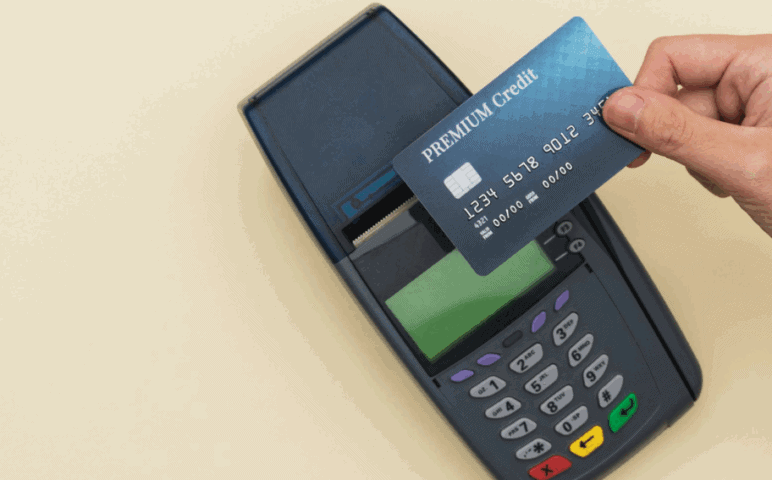
Wired terminals, also known as countertop POS systems, have been a go-to for retail stores, restaurants and other brick-and-mortar businesses for years. These terminals are connected to your network via Ethernet cables or sometimes traditional phone lines. Typically placed at a fixed location like a checkout counter, wired terminals are stationary and don’t need to move once installed.
One of the biggest benefits of wired POS systems is reliability. Because they’re connected by a fixed line, they’re faster and more stable than some wireless systems. This means less chance of dropped connections during peak hours and a smoother customer experience and quicker checkout. Wired terminals also support seamless integration with essential peripherals like cash drawers, barcode scanners and receipt printers. This makes them perfect for full-service retail environments and restaurants that have a centralized and structured checkout process.
While they may not have the mobility of wireless or tablet-based systems, wired terminals have proven themselves over time. For businesses with a fixed checkout area and high volume of transactions, wired POS systems are a secure, efficient and reliable solution that will continue to meet your operational needs as payment technology evolves.
Exploring Wireless Credit Card Terminals
Wireless terminals bring mobility into the picture. These devices use Wi-Fi, Bluetooth, or cellular networks to process transactions, giving business owners the freedom to take payments anywhere within range. Whether it’s a food cart on the street, a delivery service, or a mobile market booth, wireless POS solutions allow payments on the go.
The key advantage of wireless terminals is flexibility. Instead of asking customers to come to the counter, you can bring the payment device to them. This is particularly helpful in restaurants for tableside payment or in service-based industries like salons or repair services.
Wireless terminals are also battery-powered, meaning they don’t need to be plugged in at all times. With features like touchscreens and built-in receipt printers, many modern models offer a compact, all-in-one solution. As mobile card readers and payment apps become more common, wireless devices are now a core part of modern payment solutions.
Setup and Installation Differences
When comparing wireless vs wired POS systems, the installation process is a noticeable difference. Wired terminals require setup with network cables, power sources, and sometimes phone lines. This often means working with a technician, especially for larger businesses.
Wireless terminals, on the other hand, are designed for quick deployment. Many come with plug-and-play capabilities or can connect to your mobile device using Bluetooth. Setup typically involves installing a payment app, syncing the reader, and connecting to the internet. This ease of setup is one reason why mobile card readers are popular among new and small businesses.
For businesses with multiple locations or temporary setups, wireless options offer a convenient and scalable solution. They can be moved, shared across teams, or even used outside the store without needing to rewire or reinstall anything.
Transaction Speed and Connectivity
Transaction speed is critical in customer service, especially during busy hours. Wired terminals tend to have faster and more stable connections because they use a direct line to the internet. In high-volume environments like supermarkets or retail chains, this reliability reduces checkout times and minimizes errors.
Wireless terminals are generally fast as well, especially when connected to strong Wi-Fi. However, they can be affected by signal strength, network congestion, or battery life. In areas with poor connectivity or heavy interference, wireless terminals may slow down or disconnect, which can frustrate both staff and customers.
Some modern payment solutions mitigate this by allowing offline mode, where transactions are stored temporarily and processed later when the connection resumes. This is useful for mobile businesses that operate in remote areas. Still, for mission-critical environments, wired systems maintain a slight edge in reliability.
Power Supply and Battery Life
Wired POS systems offer a key advantage when it comes to power; they are always connected to a power source. This means there’s no risk of the terminal running out of battery, making them highly dependable for long hours of uninterrupted operation. For businesses that operate all day or even around the clock, such as convenience stores, restaurants, or 24/7 service providers, having constant access to payment processing is essential. Wired systems ensure that transactions can continue smoothly without the need to pause and recharge equipment.
On the other hand, wireless POS terminals rely on internal battery power. While this provides greater mobility and flexibility; allowing staff to take payments tableside or on the go; it also introduces the responsibility of regular charging. Staff need to monitor battery levels and ensure devices are charged at the start and during shifts. The good news is that modern wireless terminals often feature long-lasting batteries and fast charging capabilities, reducing downtime.
Some models also include docking stations that serve as both a charger and a stable base, helping keep devices powered between uses. However, for businesses where even a brief interruption could affect service or sales, wired POS systems remain the more reliable and worry-free option.
Portability and Use Cases
Portability is where wireless systems truly shine. They are lightweight, handheld, and easy to transport. For pop-up stores, food trucks, event vendors, and home services, mobile card readers make transactions smooth and professional. In contrast, wired terminals are fixed and best suited for businesses with a permanent location and front-desk setup. They work well in cafes, retail outlets, doctor’s offices, and restaurants with central billing counters.
With modern payment solutions, wireless models often support integrated apps, digital receipts, and contactless payments, making them ideal for customer-facing roles that require movement. The ability to walk around with your terminal allows staff to multitask and reduces bottlenecks at the register.

Security and Compliance
Both wireless and wired systems are designed to meet industry standards for payment security. Whether it’s EMV chip compliance, point-to-point encryption, or PCI DSS requirements, security is built into most credit card terminals today. Wired terminals offer an advantage in secure environments because they are harder to tamper with and rely on direct connections. This reduces the chances of data being intercepted during transmission. They also don’t depend on potentially vulnerable wireless networks.
Wireless terminals are secure too, especially when supported by reputable modern payment solutions. Regular software updates, encryption protocols, and secure apps help maintain compliance. However, they require careful management of passwords, Wi-Fi settings, and device access to avoid breaches. Ultimately, both options are secure when used correctly, but wired systems provide a slightly more controlled environment, especially in high-risk sectors.
Cost Considerations
Price is a big factor when choosing the right POS terminal for your business. Wired terminals have a higher upfront cost because of the hardware installation, wiring and possible integration with other devices like cash drawers, receipt printers or barcode scanners. In some cases you may also need to pay for additional infrastructure like dedicated phone lines or network setup. These costs can add up especially for smaller businesses with limited budgets.
Wireless terminals, especially compact mobile card readers are more affordable and easier to deploy. Many payment providers include them as part of a monthly subscription or bundle them with their payment processing services so you don’t have to pay upfront. These devices are app based, require minimal hardware and can connect via Wi-Fi or mobile networks so they are a cost effective option for businesses on the move or with multiple service points.
When evaluating long term costs, consider how the terminal fits into your daily operations. If your business values flexibility, like taking payments at tables or off-site events, the convenience of wireless terminals may be more valuable. But if your setup is processing a high volume of transactions in one location the reliability and speed of a wired terminal may be worth the higher upfront cost.
Software and Integration Options
Today’s POS systems are more than just payment devices; they’re part of a larger business ecosystem. Whether you choose wireless vs wired POS, integration with inventory, accounting, and customer management software is a major plus. Most modern wired terminals integrate with legacy POS systems and back-office software. They are ideal for businesses that already use a fixed infrastructure. These setups often include barcode scanners, kitchen printers, and customer displays, all connected to a centralized system.
Wireless options also offer strong integration, especially through apps. Many modern payment solutions allow mobile terminals to sync with cloud-based dashboards, CRMs, and inventory systems. This makes wireless terminals particularly attractive for startups and small businesses looking to scale without high overhead costs.
Contactless and Digital Wallet Support
The rise of contactless payments has changed how people interact with businesses. Today’s customers expect to tap their phones or cards for fast checkout. Most wireless and wired terminals now support this, but wireless terminals often adopt new technology faster. Mobile card readers are typically designed with contactless payments in mind. They support Apple Pay, Google Pay, Samsung Pay, and NFC-enabled cards by default. Their compatibility with digital wallets aligns with the needs of modern, mobile-first consumers.
Wired terminals also support these features, but older models may need an upgrade to offer the same capabilities. As the use of digital wallets grows, choosing a terminal that supports tap-to-pay has become essential in offering a seamless checkout experience.
Which One Is Right for Your Business?
There’s no one answer for wireless vs wired POS systems. It’s the business model, customer expectations and how your staff operates. If you’re in a fixed location with high volume, a traditional wired terminal may be the way to go. Perfect for retail stores, supermarkets or anywhere reliability is non-negotiable. If mobility, flexibility and simplicity are more important, wireless terminals have the advantage. From food trucks and farmer’s markets to pop-up events and mobile salons, mobile card readers make it easy to take payments without the hassle of setup or long term contracts.
Think about how your business moves throughout the day. Consider your staff’s workflow, customer preferences and the environment where transactions happen. Choosing the right terminal isn’t just about the hardware, it’s about the entire checkout experience.
The Future of Payment Terminals
The future points clearly toward more mobile, cloud-based, and touchless experiences. As modern payment solutions continue to evolve, we can expect wireless terminals to get even smarter, integrating AI, customer data, and inventory systems.
However, this doesn’t mean wired systems are becoming obsolete. For many businesses, the combination of reliability and performance makes them essential. The trend may favor mobility, but wired POS devices continue to evolve with software updates, touchscreen features, and better integrations.
Hybrid models are also on the rise, offering businesses the best of both worlds. Some terminals can be docked when needed and removed for mobile use. This gives businesses flexibility without sacrificing speed or functionality.
Conclusion
Choosing between wireless and traditional credit card terminals is a strategic decision. It impacts not just your transaction speed, but also your brand image, customer experience, and operational efficiency. The right terminal can streamline workflows, reduce wait times, and improve customer satisfaction. Understanding the trade-offs between wireless vs wired POS systems helps you make the right choice based on your unique needs.
Whether you opt for the mobility of mobile card readers or the rock-solid performance of a wired terminal, it’s essential to align your technology with your goals. With the continued rise of modern payment solutions, businesses now have more control and more choices than ever. By investing in the right terminal today, you’re not just upgrading a piece of hardware; you’re creating a smoother, smarter payment experience for tomorrow.


Leave a Reply