Menu

The Hidden Costs of Buying Your Own Credit Card Machine
By John Misarti June 18, 2025
The ability to accept card payments is now a need rather than a luxury in the retail and service industries. Due to consumers’ growing preference for the ease of digital and plastic wallets, companies need to make sure they have the necessary resources to enable safe and quick transactions. The question of whether to purchase a credit card machine on your own or lease one from a provider comes up for many small business owners. Initially, buying could appear to be the simpler and more affordable choice.
However, owning a credit card machine comes with several hidden expenses that are often overlooked. These costs can accumulate over time and may outweigh the benefits of ownership. From upfront device charges to maintenance, software updates, and compliance requirements, the financial picture is more complex than it appears.
The Upfront Investment: More Than Just the Sticker Price
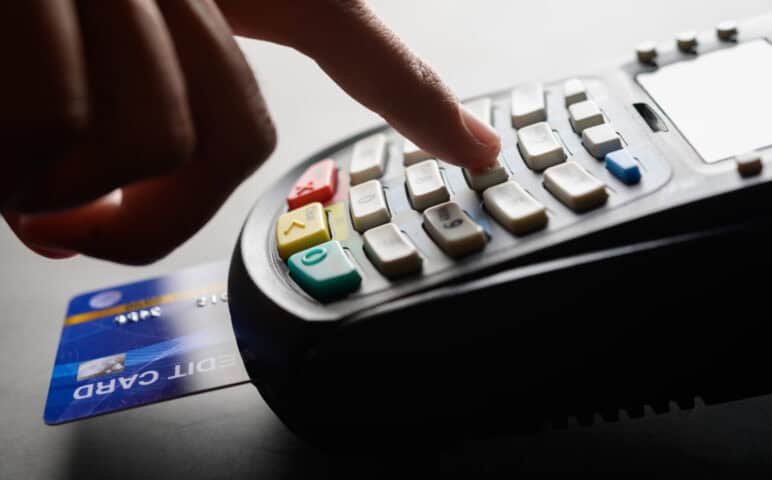
When buying a credit card terminal outright, the most obvious cost is the purchase price. A basic model may start around $150, while advanced terminals with wireless capability, contactless payment features, or EMV chip readers can cost $500 or more. For multi-terminal setups or retail environments with specific technical needs, these costs can scale quickly.
The base buy POS terminal cost often excludes necessary accessories like receipt printers, charging docks, or secure PIN pads. These add-ons can push the overall investment higher. Moreover, businesses must ensure that the device is compatible with their payment processor, which may limit their choices or lead to additional setup fees.
Another consideration is the installation and training cost. If the terminal is not plug-and-play, owners may need technical support to get it up and running. Unlike leasing arrangements, which often come with bundled support, buying your machine means shouldering the responsibility for integration and functionality.
For businesses operating on tight budgets, this upfront expense might feel manageable. But it is only the beginning. Over time, ownership can bring financial burdens that slowly erode the initial savings.
Software Licensing and Update Fees
Credit card terminals rely on regularly updated software to remain secure and functional. These updates ensure compatibility with evolving card issuer technologies, prevent fraud vulnerabilities, and keep the interface user-friendly. When you lease a terminal, updates are usually included. However, with credit card machine ownership, software management becomes your responsibility.
Some manufacturers charge annual fees for software licenses. Others offer limited-time access to updates and then require renewal payments for continued support. These recurring charges can range from $50 to $200 per year, depending on the machine type and software version.
Not updating your machine can result in functional problems or even non-compliance with regulations, in addition to the expenses. PCI standards are subject to frequent changes, and using out-of-date software may expose you to security breaches or compromise customer data. If the payment network no longer supports the machine, it may become unusable due to outdated software.
So, while buying may appear to provide autonomy, it also demands vigilance and technical upkeep. Long-term terminal expenses from these updates are often underestimated during the buying decision.
PCI Compliance and Security Requirements
Every business that processes card payments must follow PCI DSS regulations. These standards ensure that merchants handle, transmit, and store cardholder data securely. While some requirements pertain to your network and storage practices, your payment terminal plays a major role in compliance.
Owning a terminal places the burden of compliance squarely on the business. Unlike leased machines that are often pre-configured to meet PCI standards and monitored by the provider, a purchased terminal may require manual configurations or additional software to remain compliant. This could involve paying for annual security scans, firmware upgrades, or consulting services.
Additionally, many payment processors charge non-compliance fees if you fail to meet security benchmarks. These charges can be monthly and cumulative, leading to hundreds of dollars in unnecessary expenses each year.
Beyond regulatory costs, a breach due to non-compliance can be devastating. It can damage your reputation, erode customer trust, and result in hefty fines. When evaluating credit card machine ownership, factoring in the cost of ongoing compliance is critical to a complete picture of long-term terminal expenses.
Maintenance, Repairs, and Replacement Concerns
All hardware has a lifecycle. Terminals wear down with use, especially in high-traffic environments. Buttons stick, screens fade, printers jam, and internal components degrade. While leasing includes a warranty and replacement policy, ownership puts maintenance squarely in the business owner’s hands. When issues arise, repairs must be arranged independently, and costs can vary widely depending on the manufacturer and nature of the malfunction. A single repair might cost between $100 and $300. If the damage is irreparable or the model is discontinued, full replacement may be the only option.
Purchased terminals usually have limited warranties that last for a year or less. Replacement or extended warranty plans need to be bought separately after that. It may end up costing more to maintain a terminal over a five-year period than it would to lease a device with service guarantees. Downtime is another element that is neglected. Transactions are lost or delayed when a terminal malfunctions. Sales and customer satisfaction may suffer if you don’t have a backup plan. The broader scope of long-term terminal expenses that purchasers must control includes these indirect costs.
Compatibility with Future Technologies
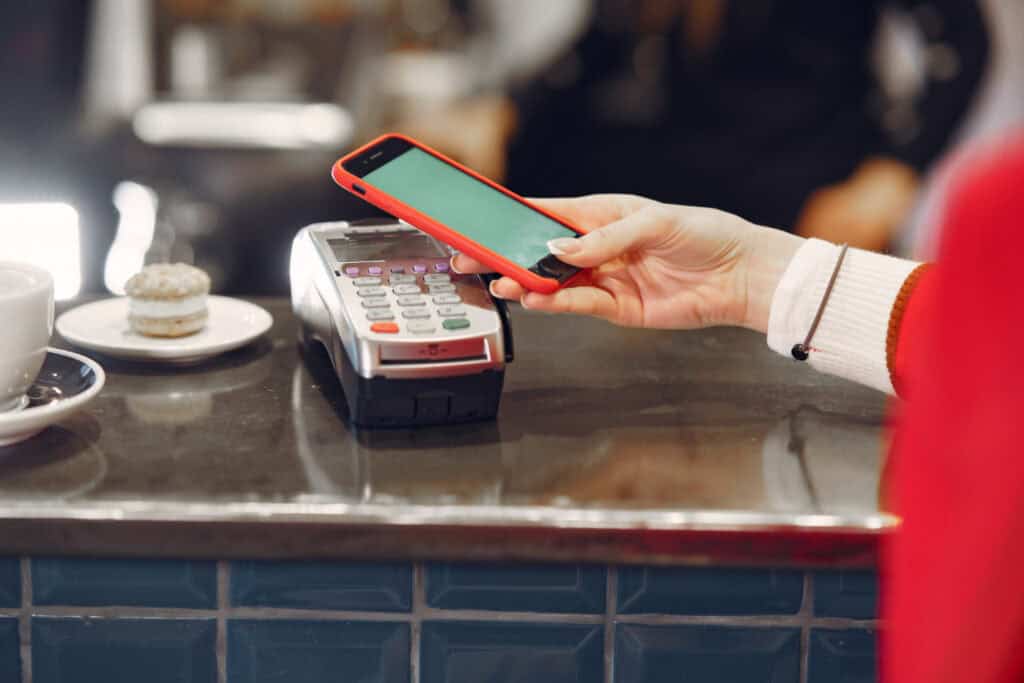
The payments industry evolves rapidly. What is standard today could be obsolete tomorrow. Contactless payments, mobile wallets, and biometric authentication are no longer futuristic; they are becoming everyday expectations. As consumer preferences change, your payment terminal must keep pace. When you buy a terminal, you commit to the technology it supports at that moment. Upgrading for new features often means buying a completely new device. In contrast, leased terminals are typically upgraded by providers as part of the service, ensuring your hardware remains current.
Staying competitive means being adaptable. If your terminal cannot accept the latest payment methods, you risk losing customers who prefer newer, faster, or more secure options. The inability to integrate with customer loyalty programs, point-of-sale systems, or digital receipts can also limit your business efficiency. These future-readiness challenges are seldom factored into the buy POS terminal cost, but they play a crucial role in the total cost of ownership. Businesses must consider how much they may spend in upgrades just to stay relevant in the eyes of modern consumers.
Processor Limitations and Locked Devices
Another complication with credit card machine ownership is the potential for processor restrictions. Some machines are proprietary and locked to specific payment processors. If you purchase a device that only works with one provider, you may be stuck paying high transaction fees or service charges, even if better options become available.
Additional costs or technical support may be needed to unlock a terminal or switch providers. In certain situations, switching processors could make the device useless, forcing a new purchase. This hidden type of vendor lock-in can significantly reduce the flexibility of a business. Owning a locked terminal can prove to be an expensive error for companies that wish to maintain the flexibility to bargain over processing rates. Before making a purchase, always verify whether the terminal is open or locked, and be aware of how this will affect your choices in the future.
These processor limitations add a layer of complexity and risk that makes credit card machine ownership less appealing for businesses that expect to grow or adapt their payment infrastructure.
Missed Opportunities in Customer Support
One advantage of leasing or subscribing to a payment service is access to ongoing technical support. When you purchase a terminal independently, you may not receive the same level of service. If a transaction fails, your machine freezes, or you need help updating software, support may be limited or chargeable.
Some terminal manufacturers offer service packages, but these often come at an additional cost. Others may only provide basic assistance or limit support to specific business hours. When your business relies on reliable transactions, delayed support can lead to frustration and revenue loss. When evaluating the buy POS terminal cost, it is important to consider the absence of robust support in case of issues. Without timely assistance, you may experience avoidable disruptions that affect both the customer experience and daily operations.
Support gaps translate into both direct costs and lost opportunities. It is another example of how the apparent savings of credit card machine ownership can vanish over time.
Total Cost Over Time vs. Leasing
To understand the true cost of buying, a simple comparison with leasing can be revealing. Let’s say you purchase a terminal for $300 and expect to use it for five years. Over that period, you may spend:
$150 on software updates and licensing
$200 on occasional repairs or part replacements
$300 in security or PCI-related costs
$100 in support services or extended warranty
Additional losses due to downtime, outdated tech, or compatibility issues
Your total long-term terminal expenses could easily reach or exceed $1,000.
A similar lease might cost $25 a month for five years, which would come to $1,500. Leasing seems more costly at first glance. However, it covers replacements, support, compliance, software updates, and often more recent technology. Additionally, it eliminates the dangers of owning out-of-date or incompatible hardware.
The final choice depends on business priorities. If control and flexibility are more important, and you have the technical know-how to manage updates and compliance, ownership could be viable. But for most small businesses, leasing offers better predictability, less stress, and easier scalability.
Conclusion
Buying a credit card machine may seem cost-effective, but hidden fees, maintenance, and compliance can add up over time. It’s crucial to assess total ownership costs; not just the upfront price. Depending on your business needs, leasing or bundled services may offer better value, flexibility, and support. Think beyond today’s price and consider the long-term impact on your operations.


Leave a Reply