Menu

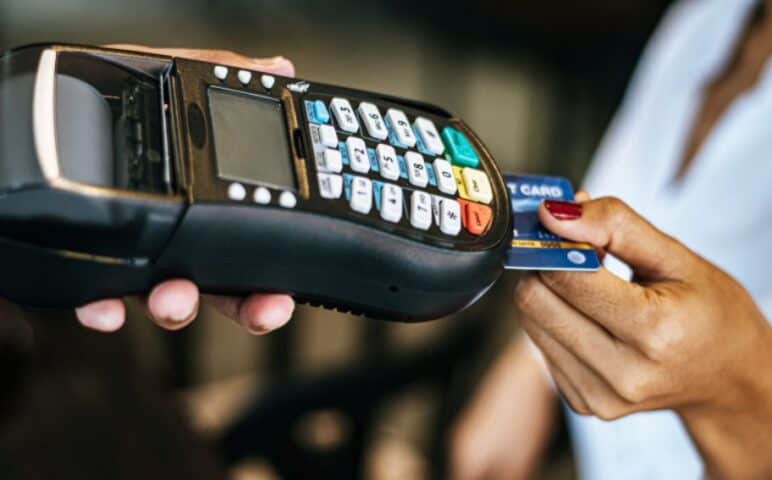
How to Choose the Right Credit Card Terminal for Your Business Type
By John Misarti June 12, 2025
Selecting the right credit card terminal is essential to facilitate seamless, secure, and efficient payment processing for your business. With different terminals to choose from—each designed for specific industries and operating requirements—the key is to choose one that is compatible with your transaction volume, mobility requirements, and customer expectations. Whether you are a retailer, restaurant, or service provider, the correct terminal can facilitate streamlined sales, enhance customer satisfaction, and sustain long-term business growth.
What Is a Credit Card Terminal?
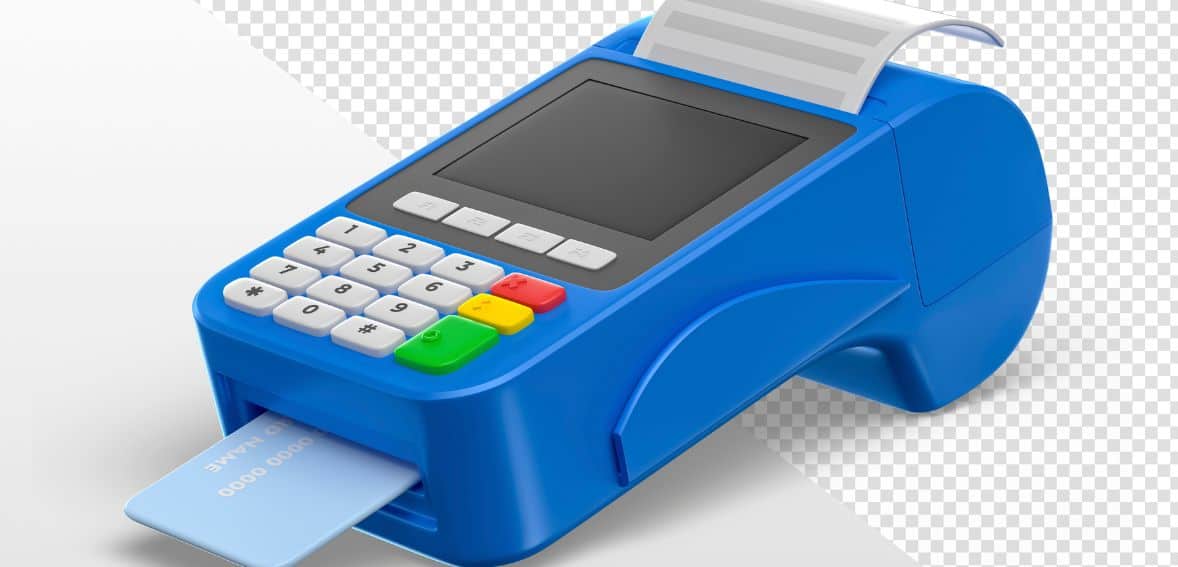
A credit card terminal is the equipment merchants employ to receive payments made by credit or debit cards, such as contactless payments via mobile wallets. It’s the equipment where clients tap, insert, or swipe their cards, and it securely transmits the payment details for processing and authorization.
Whether you own a retail shop, restaurant, or service business, a trusted card terminal is essential to provide easy payment facilities. It provides seamless, rapid, and secure transactions—enabling you to attend customers more efficiently while keeping pace with contemporary payment styles.
Types of Credit Card Terminals
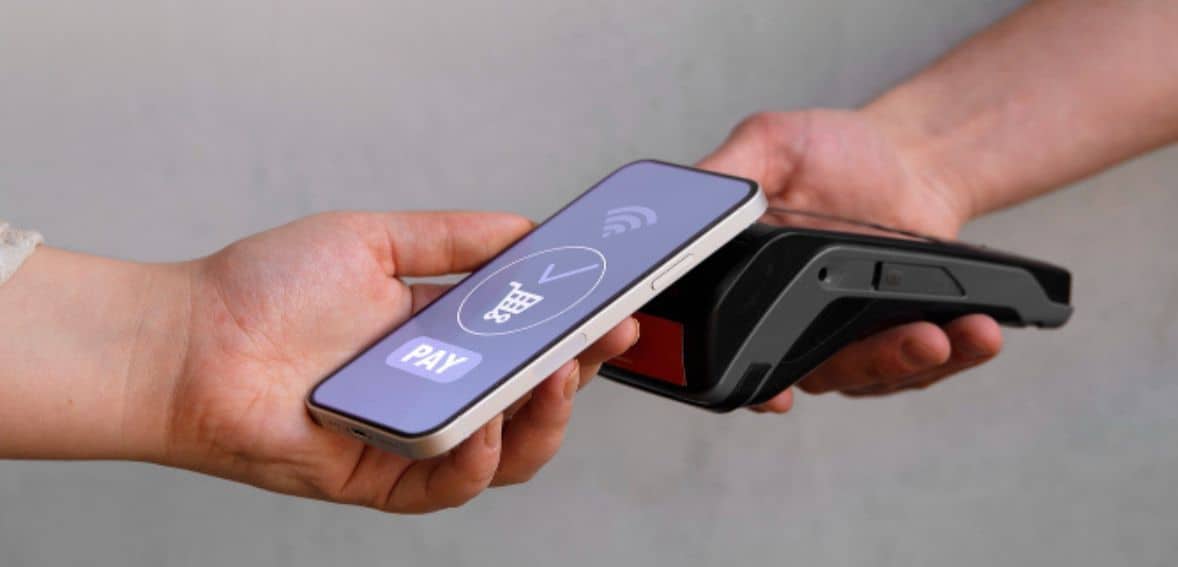
Credit card terminals are available in various shapes and sizes, each of which is specific to meeting distinct business requirements. Depending on where and how you accept payments, you can select the most appropriate one:
1. Countertop Terminals
These installed devices are usually placed at checkout points. They connect via Ethernet, phone connections, or Wi-Fi and suit businesses that have a specified payment point, such as shops or beauty salons.
2. Mobile Card Readers
For flexibility, mobile readers are linked to smartphones or tablets using Bluetooth. They are suitable for go-between businesses such as food stalls or mobile services providers who need to process payments in the field.
3. Wireless Terminals
These are standalone portable terminals that don’t need a phone or tablet. They connect using Bluetooth, Wi-Fi, or cellular networks, wireless terminal offers various benefits for business as it offers freedom to move around within your business premises—great for restaurants or pop-up shops.
4. Virtual Terminals
Used mainly for remote or phone transactions, virtual terminals run on computers or tablets. They’re commonly used by businesses that process card-not-present payments, like service providers or call centers.
5. Integrated POS Terminals
These systems integrate card processing with sales and inventory management features. Integrated terminals are ideal for companies needing a seamless, one-stop solution for both operations and payment. Based on your arrangement, you may use only one type—or combine and share to cover both in-store and away-from-store payments.
How to Choose the Right Credit Card Machine for Your Business
No matter if you own a busy café, a mobile pet grooming business, or a chain of expanding retailers, the terminal you use can make or break the efficiency of your daily operations as well as how your clients perceive your business. Here’s how to choose the best terminal for your particular business type and operational requirements:
1. Match the Terminal to Your Business Model
Your business environment is also a major factor in deciding the most suitable card terminal. A fixed counter boutique or retail shop may be just fine with a countertop terminal that remains stationary. But if you are in a café where order takers go around the table, or a daily-relocating food truck, you will require something moveable such as a wireless or mobile card reader.
For companies that sell remotely or by phone—such as consultants or internet-based vendors—a virtual terminal is usually the most convenient option. Select the model that naturally aligns with how your company does business on a day-to-day basis will help you get long term results.
2. Consider Your Volume of Transactions
Not every company handles the same volume of transactions per day. High-volume environments—such as hectic restaurants, fast-food establishments, or chain stores—require terminals that can process steady streams of payments quickly and efficiently.
Conversely, if you’re a freelancer or have a niche boutique with fewer payments per day, you might not require high-end hardware. Think about the volume of transactions you usually process, particularly in off-peak hours, and choose a machine with adequate processing capacity and network strength to keep your queues flowing and clients satisfied.
3. Accept a Variety of Payment Methods
Today’s customers demand flexibility, and with more payment options, there are more sales fulfilled. Ensure your terminal takes all the major cards—Visa, Mastercard, American Express—and mobile wallet payments such as Apple Pay, Google Pay, and contactless cards.
Even though you may not receive many tap-to-pay customers today, it’s on the rise according to trends. The greater variety of payments your terminal can take, the more seamless and quicker your checkout will be for each customer.
4. Test Portability Requirements
If your company is in constant motion—or just requires flexibility within one space—portability is important. For instance, if you’re hosting events, providing delivery services, or have workers traveling between tables, you’ll need a device that has good battery life, good wireless or cellular coverage, and is lightweight.
Conversely, if all the payments are being made at a single central checkout location, a steady countertop terminal plugged into power and internet will be more than adequate.
5. Ensure It Works with Your Systems
A good terminal should work seamlessly with the rest of your business systems. Whether it’s your point-of-sale software, inventory tracker, receipt printer, or bookkeeping platform, integration saves time and reduces errors.
If you’re already using a POS system, make sure your new terminal connects easily and doesn’t require constant troubleshooting or manual syncing. A smooth, well-connected setup can transform your checkout process and streamline everything behind the scenes.
6. Pick Something Easy to Use
Ease of use isn’t an option—it’s a requirement. If it’s difficult for your staff to use the terminal, it slows down transactions and frustrates both customers and staff. Find a machine that has a simple, intuitive user interface that’s easy to learn, even for new staff.
A touch screen, prompted instructions, and fewer button frustrations can make a huge difference in terms of speed and accuracy during peak times.
7. Don’t Compromise on Security
Security must be near the top of your list. Opt for encrypted terminals that are PCI-DSS compliant and have encryption, tokenization, and fraud detection capabilities. These functions guard your customers’ sensitive information and lower your chances of chargebacks or cyber attacks.
In the digital payment age, demonstrating to your customers that their data is secure builds confidence—and safeguards your bottom line.
8. Review the Costs and Fees Carefully
Aside from the initial cost of the terminal, be certain you know what additional expenses are involved. They may include recurring software charges, transaction charges (that usually change depending on how the card is being used), support fees, and contract obligations.
Some companies have all-in-one deals that combine equipment and processing as part of a package—simply be certain you don’t miss the fine print. Weighing cost against reliability and functionality will allow you to get the most for your money without spending more than necessary.
Key Features to Consider When Choosing a Card Machine for Small Businesses
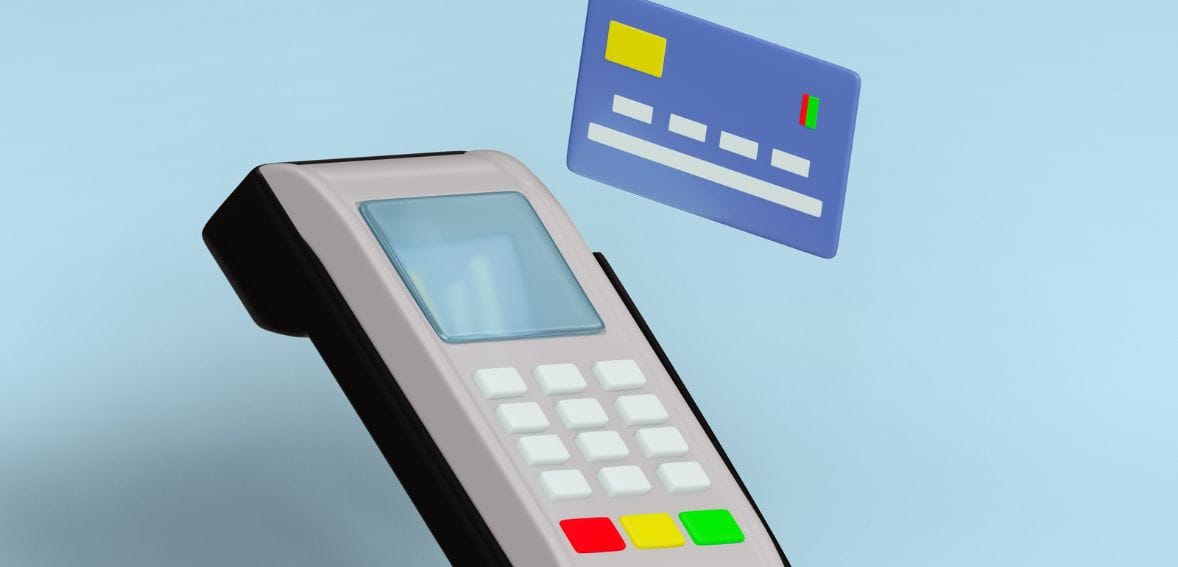
The following are the most critical features to remember when selecting a card machine that actually suits your requirements:
1. Compact and Portable Design
Small businesses usually operate with limited space, and hence a small, light, easy-to-move card machine is necessary. When you’re trading at a pop-up store, weekend market stall, or simply reorganizing your counter, you’ll find a light, portable device that easily fits into your needs.
Seek out a streamlined machine that does not take over your checkout space but still provides total functionality. It should be lightweight, fast to install, and flexible to move where your customers move.
2. Rapid Payment Processing
No one enjoys standing in line—particularly to pay for something fast. A speedy card machine keeps your checkout process flowing smoothly, minimizes queue lengths, and enhances the overall customer experience.
Whether it’s during lunch hour and rush or holiday shopping season, your terminal should be able to process transactions in seconds, not minutes. A high-speed, reliable terminal will allow you to get more customers through faster transaction without compromising accuracy or service.
3. Acceptance of Multiple Payments
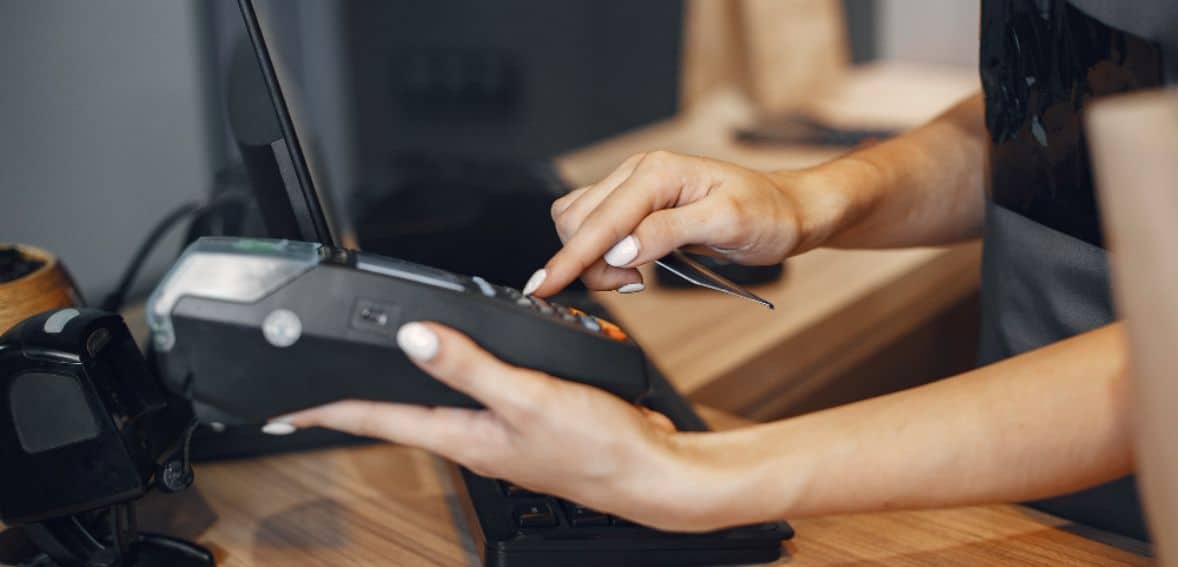
Today’s customers want choice. Some will insert or swipe their card, others will tap to pay with their phone or watch. Your card terminal must accommodate all the popup ways to pay—contactless, mobile wallets, credit and debit cards, and even QR codes.
By being flexible, you’re not only enhancing convenience, you’re also minimizing the potential to lose a sale simply because you couldn’t take a customer’s favored way of paying.
4. Easy Integration with Business Applications
Being a small business owner involves dealing with many things at once—sales, inventory, employees, and so on. That’s why your card machine needs to be easily integrated with your current POS system, inventory management software, and reporting packages.
When it’s all connected, you have less time spent on manual entry and more time spent serving customers. Find a terminal that works well with your technology stack and lets you keep your business up and running smoothly from one dashboard.
5. Easy to Use and Set Up
Lastly, pick one that’s easy to use. The last thing you want is a device that takes hours to set up or bewilders your employees. A simple interface, easy instructions, and few buttons make it simple to train and minimize errors.
To small organizations or firms where everyone does everything, ease of use is not only a nice feature—it’s a necessity.
Conclusion
The correct credit card terminal can be a major factor in your daily business, customer satisfaction, and payment security. By taking into account your business type, transaction volume, mobility requirements, and integration capabilities, you can select a solution to suit your budget and work flow. A sound investment in the right terminal today ensures faster checkouts, fewer mistakes, and more flexibility as your business expands.
FAQs
1. How is a countertop different from a mobile terminal?
Countertop terminals remain installed at your checkout, whereas mobile terminals enable you to accept payments anywhere with wireless connectivity.
2. Do I require a contactless payment-accepting terminal?
Yes, contactless (NFC) payment acceptance accelerates transactions and complies with increasing customer demands for convenience.
3. Can my terminal be integrated with my POS system?
Most modern terminals provide POS integration to ease tracking of inventory, sales data, and managing customers.
4. Is it secure to use a wireless credit card terminal?
Yes, provided it utilizes encryption and adheres to PCI DSS guidelines, wireless terminals are safe to use for transactions.
5. How do I select a terminal for a high-volume business?
Seek terminals that are long-lasting with high processing rates, multi-payment capability, and tipping or batch features.


Leave a Reply