Menu


Why Hackers Target Unencrypted Terminals — and How to Stay Protected
By John Misarti June 3, 2025
Our payment methods for goods and services are evolving along with the digital connectivity of our lives. Card payments via POS terminals have become commonplace in retail establishments of all sizes. However, this convenience is accompanied by a hidden risk: cybersecurity attacks that target payment systems specifically. Unencrypted terminals are among the most vulnerable because they often lack the fundamental security features needed to safeguard consumer data. Because of these flaws, hackers target them often.
Why Unencrypted Terminals Are Easy Targets
Encryption is the process of converting data into a coded format that can only be read by someone with the right decryption key. In the context of payment systems, encryption helps protect sensitive information such as credit card numbers and PINs during transactions. Unencrypted terminals fail to perform this basic function. When card data is transmitted in plain text, it’s like sending a postcard through the mail; anyone who intercepts it can read it. Hackers exploit these weaknesses using simple tools and software designed to eavesdrop on payment data as it moves from the POS device to the payment processor.
This kind of vulnerability is especially dangerous in busy retail environments where hundreds or thousands of transactions occur daily. If just one terminal is unencrypted, it can serve as an entry point for a massive breach. For cybercriminals, attacking unencrypted terminals is a low-risk, high-reward operation. The data harvested can be used to clone cards, commit fraud, or be sold on the dark web. That’s why these terminals are frequent targets in modern POS terminal attacks.
The Mechanics of a POS Terminal Attack
A look at the mechanics of POS terminal attacks can help you understand how attackers take advantage of unencrypted systems. Malware is often installed as the first step in these attacks. Card data is intended to be captured by the malware as it passes through the system. This malware can be installed by attackers in a number of ways. Sending employees phishing emails is one popular technique. The internal network where POS terminals are connected may become accessible to the hacker if an employee unintentionally clicks on a malicious link. They can then install malware on the terminals.
In some cases, physical tampering is involved. Criminals may replace a legitimate terminal with a compromised one or install skimming devices on top of existing terminals. Once installed, the malware quietly collects data and transmits it back to the hacker without alerting staff or customers. Without proper payment system cybersecurity, these attacks can go undetected for weeks or even months, leading to extensive financial and reputational damage for the business involved.

Real-World Consequences of Breaches
The cost of a data breach from a POS terminal attack goes far beyond stolen card information. Businesses face significant financial penalties, loss of customer trust, and potential legal action. Large-scale breaches have made headlines in recent years. Major retailers have suffered multi-million dollar losses due to outdated systems and poor security practices. For small businesses, even a minor breach can be devastating. A single compromised terminal can result in hundreds of customer records being stolen.
The aftermath includes investigation costs, payment of fines, and mandatory security audits. In many cases, businesses are also required to notify affected customers and offer identity protection services. These actions can be costly and may disrupt normal operations. More importantly, once customers lose confidence in a business’s ability to protect their data, regaining their trust can be extremely difficult. This is why proactive investment in payment system cybersecurity is not optional; it’s essential.
The Role of PCI Compliance
Businesses handling card data must adhere to the Data Security Standard, which was developed by the Payment Card Industry to help reduce risks. Implementing stringent access controls, encrypting data, and routinely checking systems for vulnerabilities are all necessary to be PCI compliant. Compliance greatly reduces the risk, even though it does not ensure against breaches. It is highly likely that businesses that use unencrypted terminals are not in compliance, which exposes them to regulatory violations and increases their susceptibility to POS terminal attacks.
PCI compliance also involves regular training for employees, secure network configurations, and updated software. Compliance is an ongoing process, not a one-time checkbox. Businesses must stay informed about evolving threats and best practices. Committing to compliance strengthens a business’s defense against cyber threats while signaling to customers and partners that their data is taken seriously.
How Encryption Protects Transactions
Encryption works by scrambling data into unreadable characters that can only be decrypted by the intended recipient. For payment systems, E2EE ensures that card data is encrypted from the moment it’s swiped or tapped until it reaches the payment processor. This means that even if a hacker intercepts the data along the way, they won’t be able to make sense of it. The encryption key is never exposed, making the transaction nearly impossible to compromise.
For payment system cybersecurity, encryption is one of the most reliable defenses. It protects against both external attacks and internal threats such as disgruntled employees or system misconfigurations. In modern payment ecosystems, encryption also integrates with other technologies like tokenization. Tokenization replaces sensitive card data with a unique string of characters called a token. Even if a token is intercepted, it cannot be used for fraud.
Implementing both encryption and tokenization provides a layered security approach that significantly reduces the risk of POS terminal attacks.
Common Signs of a Compromised Terminal
Recognizing the signs of a compromised POS system can help businesses take action before more damage is done. While malware is designed to be stealthy, there are some red flags to watch for. Unusual terminal behavior is often the first clue. This might include slower processing times, frequent crashes, or terminal reboots. Staff may also notice unfamiliar software or changes in the interface.
An increase in chargebacks or reports of fraudulent transactions is another red flag. It may be a sign that there has been a breach in the cybersecurity of your payment system if several customers report unauthorized charges soon after visiting your business. Additionally, physical tampering may occur. Regularly inspect terminals for loose components, strange equipment, or card reader modifications. Hackers often install skimmers that are hard to find without careful examination.
Training staff to recognize these signs and report them immediately is a critical part of maintaining a secure payment environment.
Staying Protected: Best Practices for Businesses
Protecting against POS terminal attacks requires a multi-layered approach. Here are some essential strategies to reduce your risk: First, upgrade to modern, encrypted POS terminals. Ensure your devices are capable of end-to-end encryption and tokenization. Work with reputable vendors who offer secure payment technologies. Second, secure your network. Use firewalls, intrusion detection systems, and segment your payment systems from other parts of your network. Never connect POS systems to unsecured Wi-Fi networks.
Third, keep all software up to date. Many breaches occur because businesses delay installing security patches. Enable automatic updates wherever possible and regularly check for firmware upgrades. Fourth, train your staff. Employees should know how to spot phishing attempts, recognize suspicious behavior, and follow proper procedures when handling payment systems.
Finally, conduct regular security audits and vulnerability scans. These proactive steps help identify weaknesses before hackers can exploit them.
By committing to these best practices, businesses can strengthen their payment system cybersecurity and build a trustworthy relationship with their customers.
Consumer Awareness and Protection
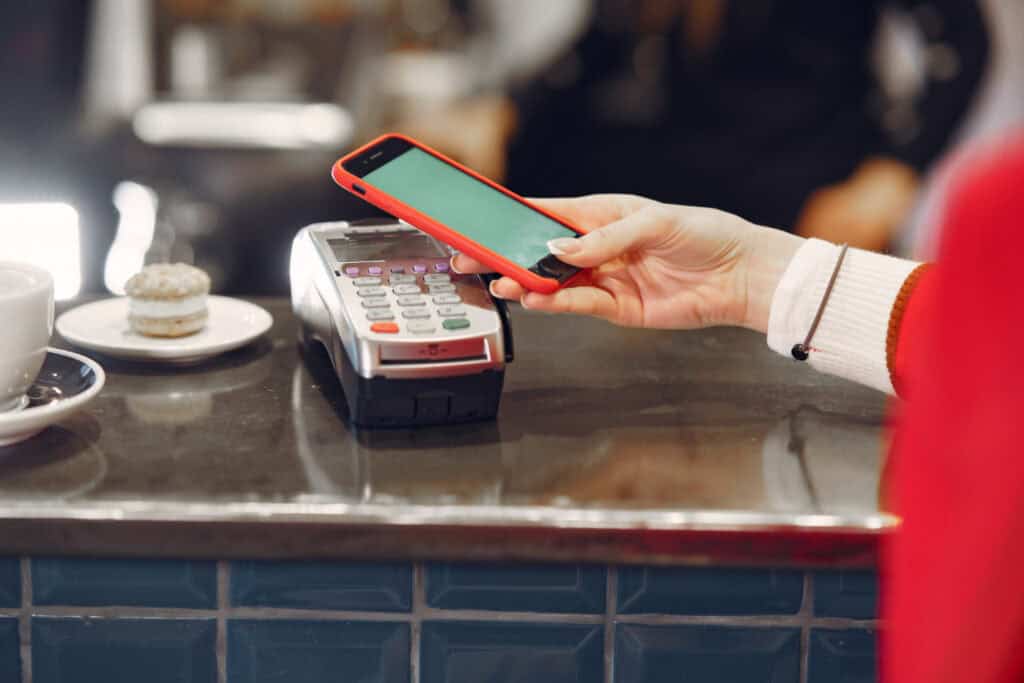
Another part of protecting against POS terminal attacks is the consumer. Although businesses bear a large portion of the responsibility, individuals can take precautions to safeguard their personal data. Use contactless payment methods, such as mobile wallets, or cards with EMV chips first. Compared to swiping magnetic stripe cards, these techniques are safer. Use caution when utilising unknown or suspicious terminals. Tell a store employee if a card reader looks tampered with, or don’t use it at all.
Monitor your accounts regularly and set up alerts for unusual activity. Early detection of unauthorized transactions allows for quicker resolution and limits financial loss. Consumers should also be aware of phishing attempts that may follow a breach. Scammers often send fake alerts or emails to trick users into revealing more personal information. Always verify the source before responding to such messages.
While technology continues to advance, informed and cautious users are still one of the best defenses against data theft.
The Future of Payment Security
As hackers become more sophisticated, payment system cybersecurity must continue to evolve. Future trends in security include biometric authentication, artificial intelligence for threat detection, and blockchain-based payment networks. Biometric technologies like fingerprint and facial recognition are already being used in mobile payments. These features add an extra layer of protection by requiring a unique physical identifier to authorize a transaction.
Artificial intelligence is being integrated into fraud detection systems. AI can analyze vast amounts of transaction data in real time to identify patterns and flag anomalies faster than any human team could. Blockchain technology may also play a role by creating transparent, tamper-proof records of transactions. This could reduce fraud in high-risk industries and improve traceability.
Ultimately, the goal is to create a payment ecosystem where security is seamless, proactive, and embedded into every layer of the transaction process. Businesses that adopt these technologies early will be better positioned to fend off POS terminal attacks and safeguard their customers.
Conclusion
There is a genuine and increasing risk of unencrypted terminals and inadequate cybersecurity in payment systems. Businesses that don’t secure their POS systems are endangering both themselves and their clients, as hackers are always searching for weaknesses.
Every modern business must understand how POS terminal attacks happen, spot the warning signs of compromise, and take preventative action. In addition to preventing breaches, investing in encryption, employee training, and regular security audits also increases customer trust.
The tools available to protect payments are more powerful than ever as technology develops. The secret is being aware, being alert, and prioritising security in every transaction.


Leave a Reply