Menu

Is a Free POS System Worth It? Pros and Cons for Small Businesses
By John Misarti March 28, 2025
Operating a small business requires monitoring every dollar spent carefully. One aspect where owners often try to cut costs is their POS system. Although conventional systems can be costly, certain providers present free POS system that appears almost unbelievable. However, is it really? Whether you’re a beginner or seeking to change systems, this guide will assist you in making a wise, informed decision.
What Is a POS System?
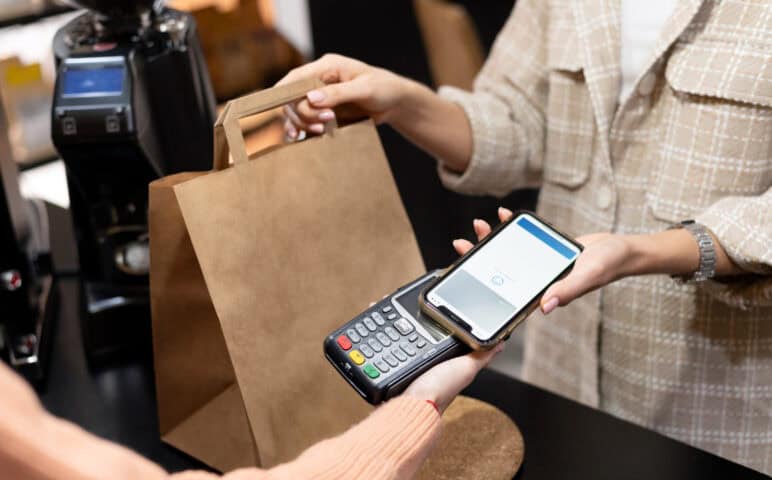
A POS system is the technology that allows a business to complete customer transactions. It combines hardware (like a tablet, card reader, or receipt printer) with software that records sales, manages inventory, and provides valuable data about business performance.
In recent years, cloud-based systems have become the norm, giving businesses the ability to access sales data from anywhere. Traditionally, these systems came with a hefty price tag, but now many companies offer free POS software to attract small businesses and startups.
The Rise of Free POS Software
The number of POS providers has increased in tandem with the competition in the retail and hospitality sectors. Many now provide free point-of-sale software to differentiate themselves and draw in smaller customers. Basic functions like employee management, sales reports, and inventory tracking are often included in these free programs.
Even though it might seem like the perfect bargain, it’s crucial to consider more than just the cost. “Free” doesn’t always equate to “cost-free,” and being aware of POS pricing structures can help you avoid unpleasant surprises later on. However, for small businesses, particularly those that are just getting started or are operating on thin margins, the best free point-of-sale system can be a game-changer.
Pros of Using Free POS Software
Free POS systems offer several advantages, especially for startups or small businesses trying to minimize their upfront expenses. Let’s take a closer look at the major benefits.
Saves Money on Startup Costs
One of the most obvious advantages is that free POS software doesn’t require a large upfront investment. For small businesses with limited capital, this can mean the difference between launching or not. Traditional POS systems can cost hundreds or even thousands of dollars; something many new entrepreneurs can’t afford.
With a free option, you can start selling with just a smartphone or tablet and an internet connection. This helps level the playing field for small business owners.
Easy to Get Started
Easy-to-use design is a common feature of free point-of-sale systems. Their user-friendly interfaces and speedy setup procedures make them ideal for non-technical users. Even people with no prior experience can use them because many of them include customer service or tutorials to help new users get started.
Good for Testing the Waters
If you’re new to running a business or unsure what kind of POS features you need, free software gives you a chance to experiment without financial risk. You can try out core functions like inventory tracking, customer management, and reporting, and then decide later if upgrading to a paid plan makes sense.
Regular Updates and Cloud Access
Most free POS systems are cloud-based, which means you’ll get automatic updates, improved security, and access to your data from any device. This gives you more flexibility in how and where you manage your business operations.
The Hidden Costs Behind “Free”
While the word “free” is appealing, it’s essential to understand the full picture. POS pricing models vary, and many providers use free POS software as a hook to bring you into their ecosystem. Here’s what you need to watch out for.
Limited Features
The majority of free point-of-sale software only has the most basic features. More advanced tools, such as eCommerce integration, comprehensive analytics, and loyalty programs, are often limited to paid plans. You might soon need to upgrade and pay more than you anticipated, if your company expands or has unique requirements.
Some companies label their system as the best free POS but offer only temporary free trials or freemium models with heavy restrictions. Always read the fine print to understand what you’re really getting.
Payment Processing Fees
Another area to watch closely is payment processing. Many POS providers that offer free software require you to use their payment gateway, often at a higher-than-average rate. These fees, which is usually a percentage of every sale, can add up fast, especially for high-volume businesses.
Even if you’re not paying for the software itself, these fees become an indirect cost of using the system. This is why understanding the full scope of POS pricing is so important.
Hardware Costs
Although the software could be free, you might still have to purchase or lease certain hardware. Certain providers exclusively utilize their own branded tablets, card readers, or receipt printers, which may not work with the devices you currently possess. This may indicate unforeseen costs.
In contrast, other free POS systems allow you to use existing hardware, which helps reduce costs. This difference can significantly impact your total cost of ownership.
Support and Scalability
Customer support for free plans is often limited. If your system goes down during a busy time, waiting hours, or even days for a reply can be frustrating and costly.
Additionally, free POS software may not scale well. As your business grows, you’ll likely need features that are only available in premium versions. Migrating to a new system later could disrupt your workflow and require retraining your staff.
When Is a Free POS System a Good Fit?
Free POS software can be a smart choice but it depends on your business type, size, and growth goals. Here are some scenarios where it might make sense.
You’re a Startup or Side Hustle
If you are new to the field or managing a side hustle, the top free POS can offer all the necessary tools without affecting your budget. For food trucks, market stands, home-based ventures, and temporary shops, basic functionality is typically sufficient.
Free software lets you focus on building your brand and customer base without a major tech investment.
You Have Low Volume and Few Products
Businesses with small inventories and modest sales volumes are ideal candidates for free POS systems. If you’re only selling a handful of items or processing a few transactions a day, there’s no need to pay for advanced tools you won’t use.
You can always upgrade later when the business picks up.
You’re Testing a Business Concept
Experimenting with a fresh concept? Complimentary POS software is excellent for validation. You can initiate a pilot program, track performance, and collect customer input without being tied to long-term agreements or costly machinery.
This approach minimizes risk while helping you make informed decisions about scaling up.
When You Might Need More Than a Free POS
While free software is great in many cases, there are times when a paid POS system offers better value.
You Run a Multi-Location Business
If you operate multiple stores or restaurants, free POS systems may lack the multi-location support and advanced reporting you need. Paid systems often offer features like centralized inventory management, detailed sales analytics, and permission controls that make managing multiple sites easier.
You Want In-Depth Reporting and Integrations
Free POS software typically has limited reporting features. If you’re looking to make data-driven decisions, analyze customer trends, or integrate with accounting tools, you may need a premium solution.
Paid plans also offer more integrations with eCommerce platforms, CRMs, and marketing tools; helping you run your entire business more efficiently.
You Need Strong Customer Support
For essential operations, swift and dependable support is imperative. Most free POS services provide only minimal assistance or limited live chat. If you require phone assistance, customized onboarding, or round-the-clock support, you will probably have to pay for it.
This extra cost may be worth it for the peace of mind it provides, especially during busy periods or the holiday season.

How to Choose the Best Free POS for Your Business
If you’ve decided to explore free POS software, it’s important to choose a solution that meets your current needs and can grow with you. Look for providers with strong reputations, positive user reviews, and transparent POS pricing models.
Pay attention to which features are included for free and which require an upgrade. Ask about hardware compatibility, payment processing rates, and support availability. Trying a demo or free trial can help you assess how user-friendly the interface is for you and your team.
Some well-known providers of the best free POS systems include Square, Loyverse, and eHopper. Each offers slightly different features, so comparing them based on your priorities is key.
Is Free POS Software Worth It?
Free POS software can be extremely beneficial for small businesses, if applied appropriately. It provides a low-risk method to start, handle transactions, and start developing your brand. For startups, side gigs, and small businesses, the ideal free POS can fulfill all your urgent requirements while minimizing costs.
Nevertheless, it’s crucial to recognize that “free” does not imply zero cost whatsoever. POS pricing often involves concealed charges, restricted functionalities, and mandatory future upgrades. As your business expands, your requirements might exceed what a free system can offer.


Leave a Reply