Menu

Cost Considerations: Balancing Price and Features in POS Terminal
By John Misarti December 30, 2024
Point-of-sale systems are essential for companies of all scales, facilitating seamless transactions and enhancing customer satisfaction. Nonetheless, selecting the appropriate POS terminal entails thoughtful evaluation of expenses and functionalities to guarantee good value.
Understanding the Basics of POS Terminal Costs
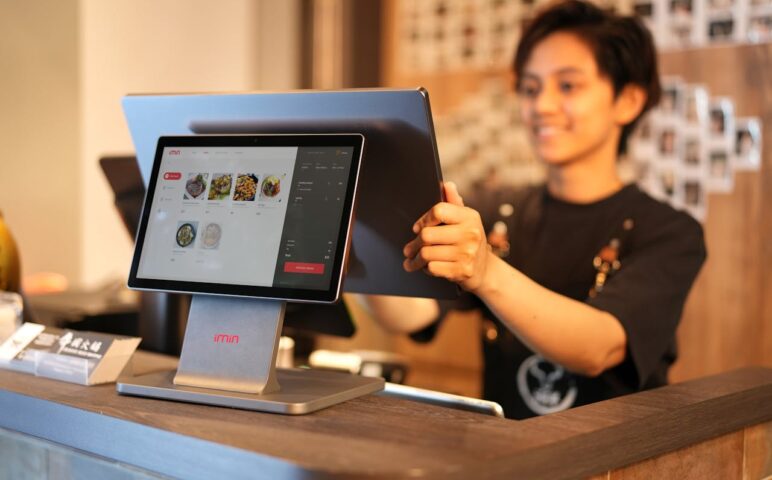
The cost of a POS terminal can vary widely based on the type, features, and provider. Broadly, POS terminal costs include upfront hardware expenses, software subscriptions, and sometimes transaction fees. Hardware costs typically range from $100 to $2,000 per terminal, depending on the complexity and capabilities of the device. For example, basic card readers for mobile devices are at the lower end, while advanced touchscreen terminals with integrated features cost significantly more.
Moreover, numerous providers impose a monthly charge for software. This charge may vary from $30 to $300 each month, based on the functionalities and scalability of the software. Transaction fees, typically a percentage of every sale, additionally add to the total expense. Companies ought to take these ongoing expenses into account when assessing payment terminal costs.
It’s essential to factor in long-term expenses. While a cheaper terminal might seem attractive upfront, it could lack essential features or durability, leading to higher costs over time. Conducting a detailed cost analysis can help businesses understand the total cost of ownership and choose a POS terminal that aligns with their budget and operational needs.
Features That Influence Payment Terminal Pricing
The features included in a POS terminal significantly impact its price. Businesses must evaluate which features are essential and which are optional to avoid overspending on unnecessary functionalities. Some key features to consider include:
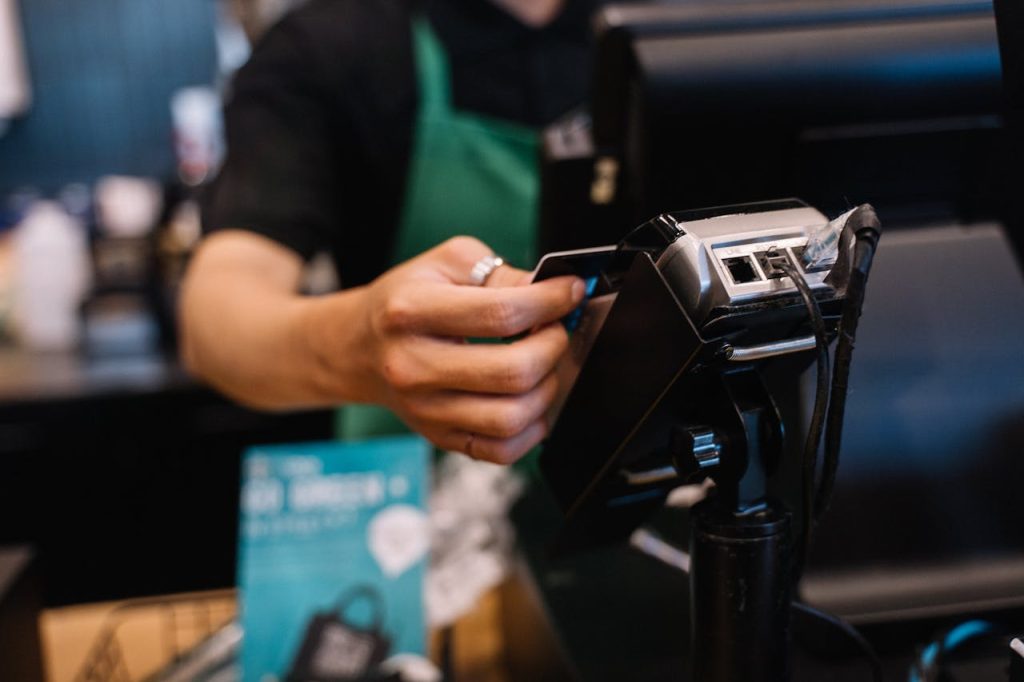
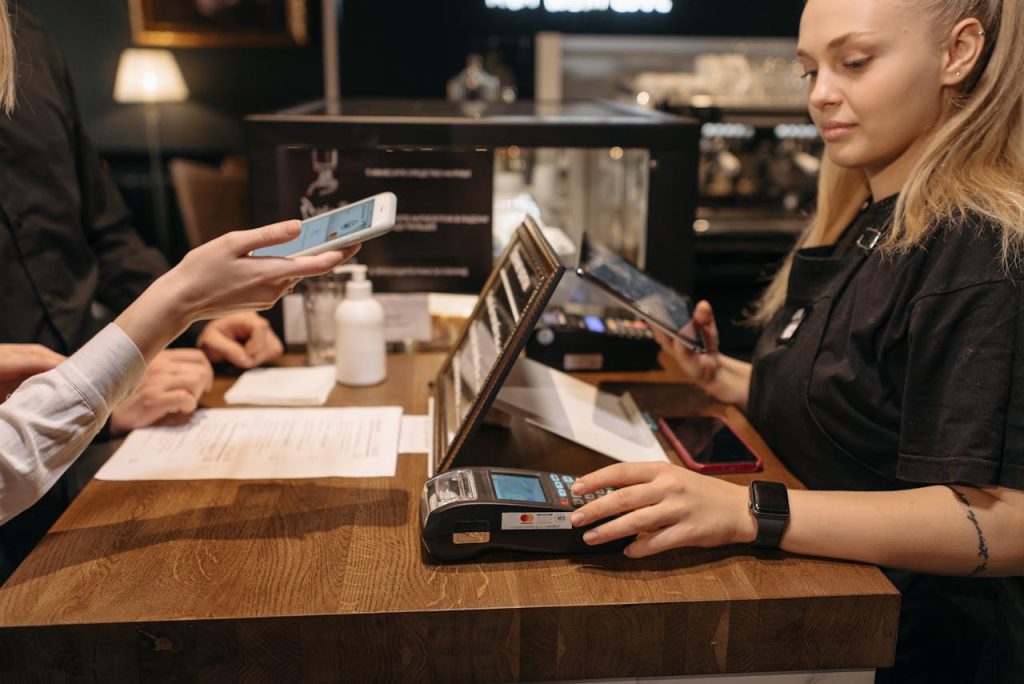
Payment Options: Modern POS terminals support various payment methods, including credit/debit cards, contactless payments, mobile wallets, and QR codes. Terminals with multi-payment capabilities are generally more expensive but offer greater flexibility.
Connectivity: Terminals can operate through Wi-Fi, Ethernet, or cellular networks. Devices with multiple connectivity options ensure uninterrupted operations, especially for mobile businesses.
Integrated Software: Many terminals come with integrated software for inventory management, sales reporting, and CRM. These features add convenience but increase the cost.
Security: Advanced security elements such as end-to-end encryption and PCI compliance are essential for safeguarding customer information. High-security terminals might come with a steeper cost, yet they justify the investment.
Customizability: Terminals that allow businesses to customize the interface or integrate third-party applications can be more expensive but offer long-term value.
Understanding the correlation between features and payment terminal pricing enables businesses to prioritize functionalities that align with their specific needs. This ensures they get the best return on investment without overpaying.
The Importance of Feature-Value Analysis
A feature-value analysis helps businesses assess whether a POS terminal’s features justify its cost. Start by listing the essential features for your operations. For example, a small cafe might prioritize payment options and inventory management, while a retail store might need advanced sales reporting and CRM integration.
Then, evaluate various terminals that fulfill these criteria. Seek out reviews and case studies to assess the terminal’s effectiveness and dependability. Moreover, take into account the terminal’s scalability. Is it conducive to future business expansion? Putting money into a terminal that allows for growth can help avoid expensive renovations in the future.
Another aspect of feature-value analysis is understanding hidden costs. Some terminals require proprietary accessories or incur additional fees for advanced features. Transparent pricing and clear terms of service should be a priority when selecting a provider.
Feature-value analysis is not just about finding the cheapest option but about achieving a balance between cost and functionality. By identifying the features that deliver the most value, businesses can make informed choices that enhance their operations without breaking the bank.
Balancing Initial Investment with Long-Term Value
The upfront cost of a POS terminal is just one aspect of the overall equation. Sustained value is equally significant, as it influences the total cost-efficiency of the terminal throughout its lifetime. To align initial expenditure with long-term worth, companies ought to take into account:
Durability: High-quality terminals with robust builds may cost more upfront but last longer, reducing the need for frequent replacements.
Maintenance and Support: Some providers offer free software updates and customer support, which can save money and reduce downtime in the long run.
Upgradability: Terminals that allow hardware or software upgrades can adapt to changing business needs, providing better value over time.
Energy Efficiency: Energy-efficient devices might have a higher purchase price but lower operational costs, particularly for businesses running multiple terminals.
Long-term value also includes the terminal’s impact on customer satisfaction and operational efficiency. A reliable POS terminal can reduce wait times, minimize errors, and enhance the overall customer experience, translating into increased sales and loyalty.
Key Factors to Consider When Choosing a POS Terminal
When choosing a POS terminal, businesses should consider several factors to ensure they’re making the right investment:
Business Size and Type: The needs of a small boutique differ from those of a large restaurant chain. Tailor your choice to your business size and industry.
Integration Needs: Ensure the terminal integrates seamlessly with your existing systems, such as accounting software or e-commerce platforms.
Compliance: Verify that the terminal complies with industry standards, such as PCI DSS, to protect against data breaches.
Provider Reputation: Research the provider’s reputation for reliability, customer service, and transparency in pricing.
Trial Periods and Warranties: Some providers offer trial periods or warranties, allowing businesses to test the terminal before committing.
By carefully evaluating these factors, businesses can select a POS terminal that balances price and features effectively, meeting both their immediate and long-term needs.
Comparing Popular POS Terminal Providers
Numerous well-known POS terminal providers accommodate various business requirements and financial plans. Evaluating their products can yield useful information:
Square: Known for its affordable card readers and no monthly fees, Square is ideal for small businesses. However, its transaction fees can add up for high-volume merchants.
Clover: Offering a range of terminals with customizable features, Clover is suitable for growing businesses. Its higher initial cost is offset by robust functionality.
Toast: Tailored for the restaurant industry, Toast offers specialized functionalities such as managing menus and facilitating table-side payments. The subscription fees are elevated but warranted due to its specialized features.
Shopify: Best for e-commerce businesses, Shopify’s POS system integrates seamlessly with online stores. However, it’s less suited for businesses without an e-commerce presence.
Each provider has its strengths and weaknesses, so businesses should prioritize features that align with their operations while keeping payment terminal pricing within budget.
Conclusion
Finding the right equilibrium between cost and functionalities in POS terminals is essential for enhancing value and maintaining efficient business operations. By comprehending the different cost elements, assessing characteristics, and performing a detailed feature-value analysis, companies can make educated choices that cater to their specific requirements.
For American businesses navigating the competitive market, investing in a POS terminal is not just about the upfront price but about the overall value it brings. Consider long-term benefits, prioritize essential features, and choose a provider with transparent pricing and strong support. With the right approach, businesses can achieve an optimal balance, enhancing efficiency and customer satisfaction while staying within budget.


Leave a Reply