Menu

QR Payment Systems and Digital Wallet Integration in Modern Terminals
By John Misarti June 18, 2026
The way people pay for goods and services has changed dramatically over the past decade. Not long ago, cash and physical debit or credit cards dominated most transactions. Today, consumers increasingly rely on smartphones, digital wallets, and contactless payment methods to complete purchases quickly and conveniently. This shift has transformed the payment landscape for businesses of all sizes, from local shops and restaurants to large retail chains and service providers.
Evolution towards new payment technologies is a result of consumers’ changing needs. Contemporary consumers demand quick, secure, and convenient payments. In their opinion, it is essential for merchants to be able to accept a wide range of payment methods that include QR payments, mobile payments, and instant bank transfers. Failure to adopt these methods could create inconvenience for the buyer, possibly even leading to loss of potential clients to competitors offering better services.
However, in the course of its development, payment technology became more complex, and contemporary payment terminals are significantly different from those used previously. The main difference is that modern terminals integrate several means of payments onto one platform to make the process both efficient and safe. The ability to implement QR technology and mobile payments into terminal functions is especially important in terms of technological innovation. Thus, knowing how QR payment, digital wallets, and modern payment terminals operate can benefit merchants significantly.
The Evolution of Digital Payments
Payment technology has progressed through several major stages. Early electronic payments relied primarily on magnetic stripe cards and simple POS terminals. As technology advanced, chip-based cards improved security, and contactless payments introduced greater convenience.
The widespread adoption of smartphones created new opportunities for innovation. Mobile applications allowed consumers to store payment information digitally and make purchases without carrying physical cards. At the same time, QR code technology emerged as a simple and accessible way to facilitate transactions using devices that customers already owned.
Today, businesses increasingly rely on integrated payment solutions that support multiple transaction methods through a single device. These systems combine card payments, contactless transactions, QR code scanning, and digital wallet functionality into unified platforms that simplify checkout processes.
The growing popularity of mobile wallet payments reflects broader changes in consumer behaviour. People have become accustomed to using their smartphones for communication, shopping, banking, and entertainment. Making payments through the same device feels natural and convenient, driving widespread adoption across different markets and industries.
Understanding QR Code Payment Technology
QR codes refer to two-dimensional barcodes that can be used to store information that can be read easily by smartphones and other electronic devices. In the case of payment purposes, such QR codes usually store transaction information that can be scanned by smartphone banking apps or digital wallets of users.
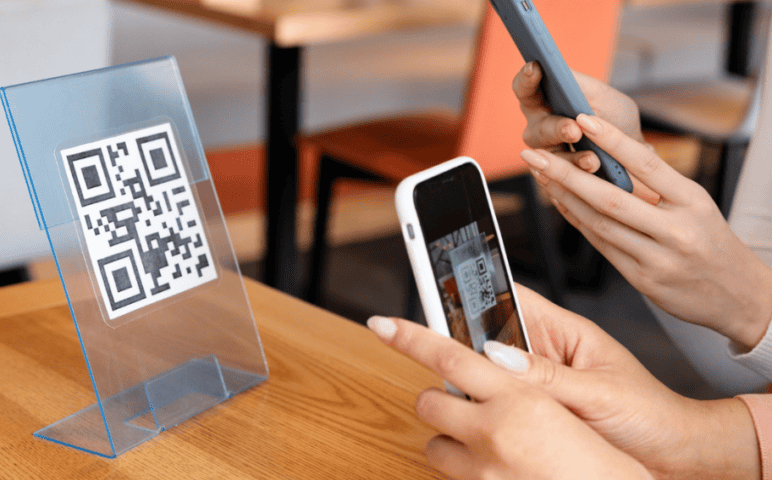
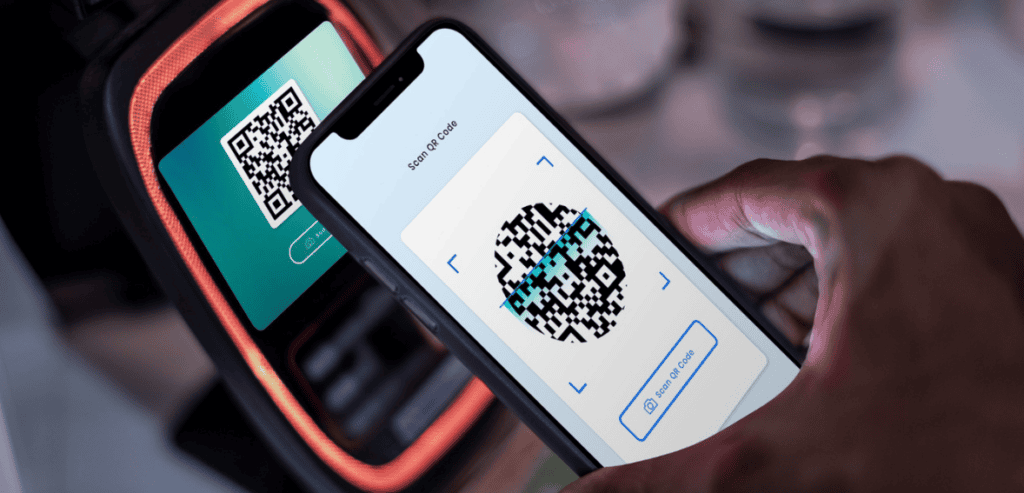
The operation process of scanning a QR code for payment purposes is rather simple as well. A customer simply needs to scan the barcode shown on payment terminals, receipts, and displays of a seller. Afterward, the payment application will receive all the transaction information needed by the customer.
The main reason why such payment systems were so widely adopted was the convenience offered by the system. There was no need for any sophisticated software or hardware to start using QR codes in your store as customers simply had to use their existing smartphones and applications to scan them. Such an approach to making payments led to a quick adoption of QR-code payments across the world as almost everyone uses smartphones now.
Why Consumers Prefer QR Code Payments
Consumers have changed their preferences in favor of making payments in a manner which saves them time and increases convenience. Making use of QR codes is an ideal way for achieving this goal because it does not involve carrying cash or plastic cards for making payments.
Payment made using QR codes usually takes place quickly and easily. It involves the customer opening up his/her chosen payment application, scanning the QR code, confirming the amount, and then completing the payment. The security aspect is another factor which gives customers confidence when making these payments.
This is because these kinds of payments are made using trusted banking applications or secure payment apps which require authentication either through use of passwords or biometrics. Apart from convenience and security, QR payments may also be linked to loyalty programs and reward schemes among other things.
The Rise of Digital Wallets
Digital wallets have become one of the most influential innovations in modern commerce. These applications allow users to store payment information securely on their smartphones and complete transactions without presenting physical cards.
Digital wallets support a wide range of payment methods, including credit cards, debit cards, bank accounts, prepaid balances, and other financial instruments. Users can select their preferred funding source while enjoying a consistent and convenient payment experience.
The increasing adoption of mobile wallet payments reflects changing consumer expectations regarding speed and accessibility. Rather than carrying multiple cards, users can access their payment methods through a single application. This convenience has made digital wallets particularly popular among younger consumers and technology-focused audiences.
Businesses benefit as well. Digital wallets often enable faster transactions, reduce physical contact during checkout, and support additional services such as loyalty programmes, personalised offers, and purchase tracking.
How Modern Payment Terminals Have Evolved
While traditional terminals were focused mostly on card payments, today’s terminals have evolved into comprehensive solutions that allow for the processing of multiple payments via one single terminal. Modern terminals often include such features as touchscreen functionality, Wi-Fi and cloud capabilities, along with the use of sophisticated software solutions. In particular, modern terminals are able to process card payments, contactless payments, QR codes, and even mobile wallet payments through just one system.
Thus, UPI payment terminals are among the most useful payment devices in the contemporary retail market. The use of integrated terminals allows businesses to provide customers with various options for payments while making the process of managing payments more convenient.
The Importance of Digital Wallet Integration
As digital wallets become increasingly common, businesses must ensure that their payment infrastructure can support these platforms effectively. Successful digital wallet integration POS solutions allow merchants to accept payments from multiple wallet providers without creating friction during checkout.
Integration involves more than simply accepting wallet-based transactions. It also includes synchronising payment processing, transaction reporting, inventory management, customer relationship systems, and other business functions. When these systems work together smoothly, businesses gain operational efficiencies while improving customer experiences.
Customers increasingly expect merchants to support their preferred payment methods. A lack of compatibility can create frustration and potentially lead to abandoned purchases. Effective digital wallet integration POS strategies help businesses meet evolving customer expectations while remaining competitive. The ability to support multiple wallet providers through a single payment environment also simplifies operations and reduces administrative burdens for merchants.
UPI and Real-Time Payments
The development of real-time payment systems has only increased the trend towards digitalization. The Unified Payments Interface or simply UPI has revolutionized the world of payments by facilitating instant transfer of money from one bank to another using mobile phones.
Modern UPI Payment Terminals enable companies to process these types of transactions swiftly. The customer is able to make payments instantly from his bank account without any need for card networks.
The demand for UPI transaction services has grown consistently over time owing to their user-friendliness, efficiency, and convenience. Companies get to receive prompt confirmation about the transactions, whereas customers get to benefit from quick fund transfer from banking apps. With the continued development of the real-time payment infrastructure, UPI Payment Terminals are likely to become more widespread.
Benefits for Businesses
The adoption of advanced payment technologies offers numerous advantages for businesses. Faster transactions can reduce checkout times and improve customer flow, particularly during busy periods. This efficiency contributes to a better overall shopping experience while supporting operational productivity.
Modern payment solutions also provide valuable transaction data that can support decision-making. Businesses gain insights into customer preferences, purchasing patterns, and payment behaviours that can inform marketing and operational strategies.
The flexibility offered by QR payment systems and digital wallets allows merchants to accommodate diverse customer needs. Whether a customer prefers bank transfers, wallet payments, contactless cards, or mobile applications, integrated terminals provide the necessary support.
In addition to improving customer experiences, digital payment acceptance can reduce the administrative challenges associated with handling cash, including counting, storage, reconciliation, and security concerns.
Security in Modern Payment Systems
Security remains one of the most important considerations in digital payment processing. Consumers and businesses alike expect payment systems to protect sensitive financial information while preventing unauthorised access and fraud.
Modern payment terminals incorporate multiple security measures, including encryption, tokenisation, authentication protocols, and secure communication channels. These technologies help safeguard transaction data throughout the payment process.
Effective digital wallet integration POS solutions also benefit from the security frameworks provided by major wallet providers and financial institutions. Many wallet applications use biometric authentication, device verification, and advanced fraud detection systems to enhance protection.
The security features associated with mobile wallet payments often exceed those available with traditional payment methods. This added protection contributes to growing consumer confidence and continued adoption.
Enhancing Customer Experiences
Customer experience has become a major competitive differentiator across industries. Businesses that provide fast, convenient, and reliable payment options are often better positioned to attract and retain customers.
Modern payment terminals support this objective by reducing friction during checkout. Customers can choose the payment method that best suits their preferences without encountering unnecessary delays or complications.
The combination of QR payment systems, digital wallets, and contactless technologies creates a flexible payment environment that accommodates different user preferences. This adaptability helps businesses serve broader audiences while improving satisfaction levels.
Convenience also extends beyond the payment itself. Digital receipts, loyalty programme integration, rewards tracking, and personalised offers can all be incorporated into modern payment ecosystems, creating additional value for customers.
Challenges and Considerations
While digital payment technologies offer significant benefits, successful implementation requires careful planning. Businesses must evaluate compatibility with existing systems, employee training requirements, customer preferences, and security considerations.
Selecting the right payment solution involves balancing functionality, cost, scalability, and ease of use. Businesses should consider both current needs and future growth plans when evaluating payment technologies.
The adoption of UPI payment terminals and digital wallet solutions may also require operational adjustments. Staff members need to understand how transactions are processed, how to assist customers, and how to troubleshoot common issues.
Despite these considerations, the long-term advantages of modern payment acceptance often outweigh the initial implementation challenges. Businesses that invest in digital payment capabilities are generally better prepared to meet evolving market demands.
The Future of Payment Technology
The payment industry continues to evolve rapidly. Emerging technologies such as biometric authentication, AI, wearable devices, and embedded finance solutions are likely to influence future payment experiences.
Digital wallets are expected to expand their capabilities beyond simple transaction processing. They may increasingly incorporate identity verification, loyalty management, ticketing, financial services, and personalised commerce features.
At the same time, mobile wallet payments will likely become even more integrated into everyday activities. Consumers are increasingly comfortable using smartphones as primary payment tools, and businesses are responding by enhancing their payment infrastructure. The continued evolution of digital wallet integration POS technologies will help create more connected, efficient, and customer-centric payment ecosystems.
Why Integration Matters More Than Ever
Modern consumers expect seamless experiences across every stage of the purchasing journey. Payment systems that operate independently from other business functions can create inefficiencies and limit opportunities for improvement.
Integrated payment environments connect transactions with inventory systems, customer relationship platforms, accounting tools, and business analytics. This connectivity enables more accurate reporting, better decision-making, and enhanced customer experiences.
Businesses that invest in comprehensive digital wallet integration POS strategies position themselves to take advantage of future innovations while improving current operations. Integration transforms payment processing from a standalone function into a strategic business asset. The ability to support QR payment systems, digital wallets, and real-time payment networks through unified platforms creates flexibility that benefits both merchants and customers.
Conclusion
The rapid growth of digital payments has transformed the way consumers and businesses interact. QR code payments, mobile wallets, and advanced payment terminals have created new opportunities for convenience, efficiency, and innovation. What began as alternative payment methods have now become essential components of modern commerce.
The widespread adoption of QR payment systems has simplified transactions for businesses and consumers alike, while mobile wallet payments continue to reshape customer expectations regarding speed and accessibility. At the same time, UPI payment terminals and other advanced payment technologies are supporting real-time transactions that make digital commerce more efficient than ever before.
Successful digital wallet integration POS strategies allow businesses to bring these capabilities together within a single payment environment. By supporting multiple payment options through modern terminals, merchants can improve customer experiences, streamline operations, and remain competitive in an increasingly digital marketplace.
As technology continues to evolve, the importance of flexible and integrated payment solutions will only grow. Businesses that embrace these innovations today will be better positioned to meet changing consumer expectations, adapt to future trends, and build stronger relationships with their customers in the years ahead.


Leave a Reply