Menu

Next-Gen Credit Card Terminals: Features Transforming Modern Payments
By John Misarti May 5, 2026
Walk into almost any retail environment today and the device sitting at the point of sale looks dramatically different from what occupied that counter ten years ago. The boxy, single-function terminals that did little more than process a card swipe and print a receipt have given way to sleek, multifunctional devices that are genuinely smart in the sense that matters most: they collect and use information to make transactions faster, more secure, and more valuable to both the business and the customer.
Credit card terminals have undergone more significant evolution in the past decade than in the previous three decades combined, driven by the convergence of mobile technology, cloud computing, biometric security, and changing consumer expectations about what a payment experience should feel like. The businesses that understand what modern payment technology offers and deploy it thoughtfully are creating checkout experiences that reinforce their brand, generate useful business data, and build customer relationships that extend well beyond the transaction itself.
Those that are still operating on hardware from a previous generation are not just missing efficiency gains. They are creating friction in the customer experience and vulnerability in their security posture that compounds over time.
From Single-Function Devices to Computing Platforms
The most fundamental shift in credit card terminal design over the past decade is the transformation from single-function transaction devices to general-purpose computing platforms that happen to process payments as their primary function. Legacy terminals ran proprietary operating systems designed exclusively for payment processing, with fixed functionality that could not be extended without replacing the hardware entirely.
Modern smart payment devices run on open operating systems, most commonly Android, that allow third-party application development and deployment in much the same way that a smartphone can run apps from different developers. This architectural shift has practical implications that are immediately meaningful for business operators.
The new generation terminals can run the payments processing application along with inventory management, loyalty management, receipt distribution, marketing, and analytics on one piece of equipment rather than needing separate terminals to perform each of these operations. However, the advancements that can be made in the point-of-sale space as a result of these developments are much more profound than simply providing an easier means of operation. In having all of these applications running off of one terminal and one data layer, the information produced by each transaction becomes instantly accessible for every one of these applications.
Not only does this transaction process payment; it also updates inventory, registers the transaction into the loyalty program database, provides an electronic receipt, and creates another data point that will contribute to the analytics used to guide business operations.
The EMV Evolution and Chip Technology
The transition to EMV chip technology represented the first major wave of terminal modernisation for most merchants, and while chip acceptance is now standard rather than cutting-edge, understanding what chip technology actually does and why it matters clarifies why subsequent innovations in credit card terminals have built on this foundation rather than replacing it.
EMV chips generate a unique cryptographic code for each transaction that cannot be replicated or reused, which makes the counterfeit card fraud that was rampant in the magnetic stripe era essentially impossible for chip transactions.
Every time the card chip is swiped and verified, a new transaction approval code is generated. Therefore, even if someone intercepted the code, it would not work for any other transaction, thus enhancing security. The liability shift that came into place after the adoption of EMV was the regulatory measure that encouraged terminal upgrades in the retail sector because merchants could no longer be held responsible for any fraud related to counterfeit cards.
After completing their terminal upgrades, merchants got rid of one source of financial risk that could not be predicted in advance. Payment technology has improved a lot since EMV came into use. Cryptographic security features used in EMV have been applied to the contactless transaction model. As a result, the same level of security was maintained, but a separate process of inserting the card physically in the terminal was removed, combining the strengths of both technologies.
NFC Contactless and Digital Wallet Integration
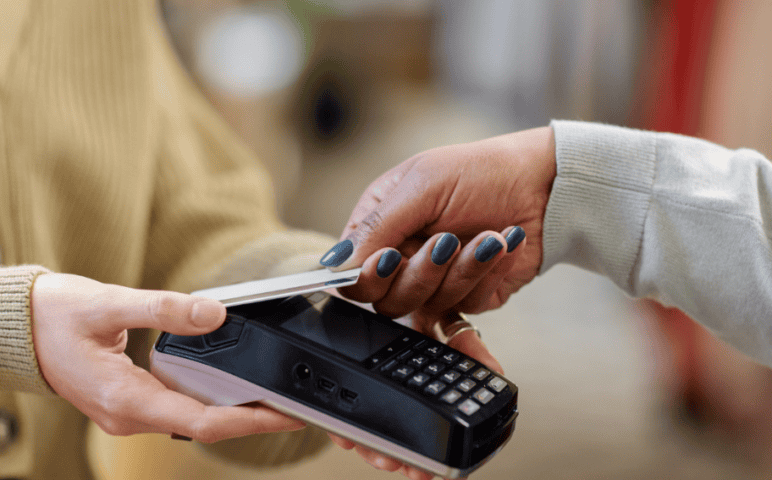
Near-field communication contactless payment capability is now standard on virtually all next-generation credit card terminals, and its adoption has accelerated to the point where contactless is the preferred payment method for a majority of in-person transactions in many markets.
The NFC reader in a modern terminal communicates with contactless payment cards, smartphones running Apple Pay or Google Pay, and wearable devices including smartwatches and fitness trackers, accepting all of these payment forms through the same hardware interface without any configuration change or additional setup.
POS innovations in the contactless space have moved well beyond basic tap-to-pay functionality to include sophisticated digital wallet integrations that carry additional data alongside the payment authorization. When a customer pays with a linked loyalty app through NFC, the terminal can simultaneously process the payment and record the purchase against the customer’s loyalty account, triggering reward calculations and updating the customer’s points balance in real time.
Some digital wallet implementations allow customers to redeem loyalty rewards at the point of payment without a separate redemption step, which creates a genuinely seamless experience that manual reward lookup processes cannot approach in convenience. The speed advantage of contactless payments is particularly significant for high-volume businesses where the cumulative time savings from faster transactions translate directly into operational capacity.
A quick service restaurant that reduces average transaction time from fifteen seconds to four seconds through contactless processing can serve meaningfully more customers during peak periods without any change to its staffing model or physical infrastructure. This throughput improvement represents real revenue capacity that the terminal investment directly enables.
Biometric Authentication and Security Innovation
One of the most significant POS innovations in modern payment technology is the integration of biometric authentication into payment terminals, both for customer payment authentication and for staff access control.
Biometric payment authentication using fingerprint scanning or facial recognition allows customers to authenticate payments without a PIN, which combines the security of a unique biological identifier with the speed of an authentication method that requires no memorization or physical item possession.
This capability is particularly valuable in markets where mobile device penetration and biometric payment registration are high, and it is increasingly available through both terminal-integrated biometric readers and device-based biometrics that authenticate payments through a linked smartphone before transmitting the payment to the terminal.
For staff access control, biometric authentication on smart payment devices eliminates the shared PIN or swipe card access systems that create accountability gaps when multiple employees use the same terminal.
With each member of staff logging into the terminal using their fingerprint, the program keeps track of what employee has done what transactions, what level of management actions they have performed and what corrections or overrides there were on their shifts.
Accountability like this serves not only as an anti-fraud measure, but also as a customer service method since it allows for precise investigation of each transaction in case of disputes, without having management guess who worked and did what based on scheduling and recollection. Credit card terminals that authenticate staff via biometric means constitute an important advance in business operation where many staff share one machine daily.
Smart Analytics and Business Intelligence
Next-generation credit card terminals have transformed the data that flows through every transaction from a simple financial record into a rich source of business intelligence that was previously accessible only to large enterprises with dedicated analytics infrastructure.
Smart payment devices capture and organize transaction data in ways that surface actionable patterns rather than simply recording raw numbers, and the dashboards available through modern terminal management platforms give business owners operational insights that inform decisions about inventory, staffing, pricing, and marketing in near real time.
Sales velocity tracking shows which products are selling and at what rate throughout the day, allowing staff to anticipate restocking needs before shelves run empty rather than discovering the gap when a customer cannot find what they are looking for. Time-of-day and day-of-week analysis reveals the traffic and transaction patterns that should inform staffing decisions, ensuring that labor costs are calibrated to actual demand rather than set by habit.
Monitoring average transaction amounts reveals trends in buying habits that may be due to alterations in the customer base, competition, or even the success of the existing pricing and promotional initiatives. Payment method statistics reveal how many transactions are processed via specific methods, providing valuable information regarding the logistics of handling cash and which alternative payment options should be considered in the future.
The contemporary payment solution that delivers this analytical function using the very hardware used for processing transactions reduces the need for an independent business intelligence expenditure previously necessary for accessing such information.
Customer-Facing Displays and the Experience Dimension
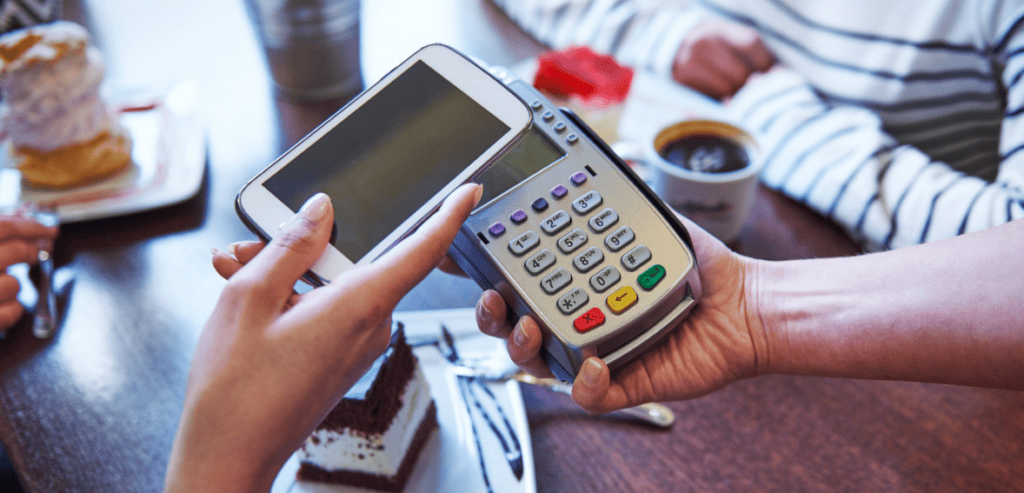
The customer-facing screen of a modern credit card terminal is a design element that forward-thinking businesses are using as an active component of the customer experience rather than simply a prompt for PIN entry or signature. POS innovations in customer-facing display design have produced terminals where the customer-facing screen can display branded content, promotional offers, loyalty account information, digital receipt options, and satisfaction survey prompts alongside the standard payment prompts, turning a transactional moment into a communication touchpoint that reinforces the customer relationship.
Businesses that customize their customer-facing terminal display with their own branding, their loyalty program messaging, and their current promotional content create a more cohesive and professional checkout experience than those that present generic terminal software to customers. This customization capability is available through the application layer of modern smart payment devices and does not require hardware modification or special technical expertise to implement. Digital receipt options presented on the customer-facing display address a pain point that many customers and businesses share.
Paper receipts are environmentally wasteful, frequently lost, and increasingly unwanted by customers who prefer to manage their records digitally. The option to receive a receipt by email or SMS, presented seamlessly on the customer-facing screen at the moment of payment, captures the customer’s email address or phone number for the receipt delivery and simultaneously builds the contact database that supports future marketing communication. This data capture capability, enabled by the customer-facing display of next-generation credit card terminals, represents significant marketing value that traditional terminals could not provide.
Cloud Connectivity and Remote Management
The cloud connectivity of modern payment technology has transformed how businesses manage their terminal infrastructure, making remote configuration, monitoring, and updates possible in ways that dramatically reduce the operational burden of maintaining payment hardware across multiple locations or managing a frequently changing device fleet.
Smart payment devices that communicate with cloud-based management platforms allow business owners and IT administrators to update terminal software, change pricing and product configurations, modify receipt templates, and review transaction data from any internet-connected location rather than requiring physical access to each terminal for every administrative task.
This remote management capability is particularly valuable for multi-location businesses where the alternative to cloud-based management is either accepting inconsistent configurations across locations or sending technical staff to each location whenever a change needs to be made.
Franchise operations that need to ensure consistent pricing, branding, and functionality across dozens or hundreds of locations can deploy configuration updates from a central management console that pushes changes to all terminals simultaneously, ensuring that every customer receives a consistent experience regardless of which location they visit.
Credit card terminals with cloud connectivity also benefit from automatic software updates that deploy security patches and feature enhancements without requiring scheduled maintenance windows or manual update processes. The payment security landscape evolves continuously, and terminals that update automatically stay current with security standards without requiring the business owner to actively manage the update cycle.
POS innovations that connect terminals to cloud management platforms are therefore simultaneously an operational convenience and a security practice that reduces the vulnerability window that outdated software creates.
Omnichannel Payment Integration
One of the most significant developments in modern payment technology is the integration of in-person terminal payments with online, mobile, and telephone payment channels into a unified commerce infrastructure that treats all transactions as part of a single customer relationship regardless of where they occur.
Next-generation credit card terminals designed for omnichannel commerce share a payment processing infrastructure with the business’s online store, its mobile app, and its telephone order system, which means that customer payment methods saved in one channel are available across all channels, that transaction history from all channels appears in the same customer record, and that reporting across the business reflects total commerce activity rather than siloed channel performance.
Smart payment devices in an omnichannel infrastructure can also initiate transactions that complete in another channel. A customer who places an order in-store that needs to be shipped can have a payment link sent to their phone or email for completion at their convenience, connecting the in-person service interaction to a digital payment completion without requiring the customer to provide card details at the counter.
The buy-online-pickup-in-store transaction flow, where a customer pays through the website but collects their order in the physical store, is completed smoothly in an omnichannel infrastructure because the in-store terminal knows the order has been paid and can process the collection without requiring a second payment interaction.
These capabilities reflect the reality of how customers now shop, moving fluidly between physical and digital channels, and smart payment devices designed for this environment serve customers more effectively than those constrained to a single channel.
Future Developments: Where Terminal Technology Is Heading
The trajectory of credit card terminals points toward continued integration of payment capability into a wider range of devices and environments, and toward increasingly invisible payment experiences where the friction of a distinct payment moment is reduced or eliminated entirely.
Artificial intelligence integration in smart payment devices is already moving from experimental to practical, with AI-powered fraud detection that analyzes transaction patterns in real time providing more accurate and more responsive protection than rule-based systems can deliver.
AI applications in customer-facing terminal interactions are also developing, including personalization capabilities that can surface relevant loyalty offers or product recommendations based on the customer’s purchase history at the moment of checkout. Biometric payment authentication without a separate payment device, where a customer’s face or palm print at a retail kiosk or checkout lane is sufficient to complete a payment without any card or phone interaction, is in active deployment in several markets and will expand as biometric infrastructure becomes more widely established.
The integration of payment capability into smart carts, smart shelves, and automated checkout environments will continue to blur the boundary between shopping and paying in ways that make the explicit credit card terminal interaction increasingly optional in some retail formats.
POS innovations driven by computer vision technology that can identify products and attribute purchases to customers automatically, without requiring items to be scanned or payments to be initiated by the customer, are moving from the advanced pilot stage toward broader commercial deployment in grocery and convenience store formats.
The direction is clear: the explicit payment moment is becoming optional, and the credit card terminal is evolving from a discrete payment device into a node in a broader commerce infrastructure that processes transactions wherever and whenever they occur.
Conclusion
Next-generation credit card terminals redefine payment technology by combining EMV security, NFC contactless payments, biometrics, real-time analytics, and cloud connectivity in one device. These systems go beyond processing transactions, offering insights, improving operations, and enhancing customer relationships.
Modern POS innovations turn terminals into strategic tools that support omnichannel experiences and data-driven decisions. Unlike older hardware, smart terminals continue to evolve through software updates, increasing their long-term value. For businesses still using outdated systems, upgrading is no longer optional. The difference is not incremental but transformative, directly impacting efficiency, customer satisfaction, and the quality of insights generated from every transaction processed.


Leave a Reply