Menu


Customer Trust Payments: How PCI Compliance Supports Consumer Trust at the Point of Sale
By John Misarti April 6, 2026
In today’s digital-first economy, every transaction carries an expectation of safety. Whether a customer is paying at a retail counter, a restaurant, or a small business outlet, they assume that their financial data is being handled securely. This expectation has made payment security a central part of the customer experience. Businesses are no longer judged only on their products or services, but also on how well they protect customer information during transactions.
At the core of this trust lies PCI compliance, a set of standards designed to ensure that payment data is processed, stored, and transmitted securely. For businesses operating at the point of sale, these standards are critical in building customer trust payments. When customers feel confident that their data is safe, they are more likely to complete transactions, return for future purchases, and recommend the business to others.
Understanding PCI Compliance in Simple Terms
PCI compliance refers to adherence to the Payment Card Industry Data Security Standard, commonly known as PCI DSS. These standards were developed to protect cardholder data and reduce the risk of fraud. While the technical aspects can seem complex, the core idea is straightforward. Businesses must follow certain rules to ensure that payment data is handled safely at every stage of the transaction.
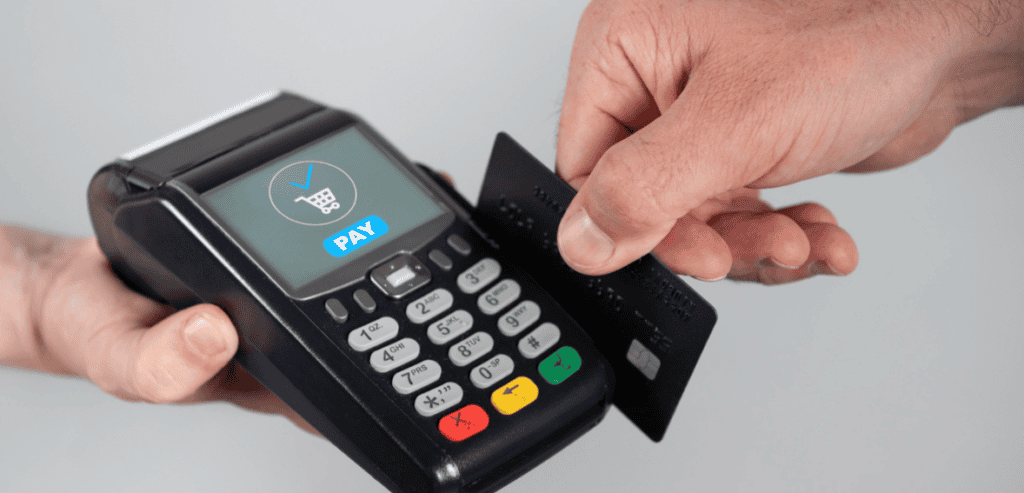
For a customer, this means that when they swipe, tap, or insert their card, their information is encrypted and protected from unauthorized access. A secure POS checkout system that meets PCI standards ensures that sensitive data is not exposed or misused. This directly contributes to customer trust payments, as individuals feel reassured when they see businesses taking security seriously.
Beyond the technical requirements, PCI compliance also reflects a company’s commitment to responsible practices. It shows that the business values its customers and is willing to invest in systems and processes that protect them. This commitment plays a significant role in shaping PCI and brand reputation in a competitive market.
Why Consumer Trust Matters at the Point of Sale
The point of sale is one of the most critical moments in the customer journey. It is the final step where a purchase decision is completed, and any hesitation at this stage can lead to abandoned transactions. If customers feel uncertain about the safety of their payment information, they may choose not to proceed.
Customer trust payments are built over time, but they can be lost in an instant if security concerns arise. News of data breaches or fraudulent transactions can quickly spread, affecting how customers perceive a business. Even a single incident can damage trust and reduce customer loyalty, making it difficult for businesses to recover.
A secure POS checkout experience helps eliminate these concerns by providing a smooth and safe transaction process. When customers see reliable payment systems in place, they feel more confident in completing their purchases. This confidence not only improves immediate sales but also encourages repeat business and long-term relationships.
How PCI Compliance Enhances Payment Security
PCI compliance introduces a range of measures that strengthen payment security at the point of sale. These include encryption, access controls, and regular system monitoring. Each of these elements works together to protect sensitive data and reduce the risk of breaches.
Encryption ensures that cardholder information is converted into a secure format that cannot be easily accessed by unauthorized individuals. Access controls limit who can view or handle sensitive data, reducing the chances of internal misuse. Regular monitoring helps identify potential threats and address them before they escalate into serious issues.
By implementing these measures, businesses can create a secure POS checkout environment that prioritizes safety. This directly contributes to payment confidence among customers, as they know their information is being handled with care. Over time, consistent security practices help reinforce trust and strengthen relationships with customers.
The Link Between PCI Compliance and Brand Reputation
Brand reputation is closely tied to how a business handles customer data. In an age where information spreads quickly, any lapse in security can have far-reaching consequences. PCI and brand reputation are interconnected, as compliance demonstrates a commitment to protecting customer interests.
When businesses adhere to PCI standards, they send a clear message that they take security seriously. This builds credibility and positions the brand as trustworthy and reliable. Customers are more likely to engage with businesses that prioritize their safety, leading to increased loyalty and positive word-of-mouth.
On the other hand, failing to meet compliance standards can result in data breaches, financial penalties, and reputational damage. Recovering from such incidents can be challenging and may require significant time and resources. By maintaining PCI compliance, businesses can safeguard their reputation and ensure long-term success.
Building Payment Confidence Through Secure Systems
Payment confidence is a key factor in encouraging customers to complete transactions. When customers feel secure, they are more likely to proceed with their purchases without hesitation. This confidence is built through consistent and reliable security measures that protect their data.
A secure POS checkout system plays a vital role in fostering this confidence. By using compliant systems, businesses can ensure that transactions are processed safely and efficiently. This reduces the risk of errors or delays, creating a seamless experience for customers.
Over time, positive experiences contribute to stronger customer trust payments. Customers who feel confident in a business’s payment systems are more likely to return and make repeat purchases. This not only improves customer retention but also enhances overall business performance.
The Role of Technology in Maintaining Compliance
Technology plays a crucial role in achieving and maintaining PCI compliance. Modern POS systems are designed with built-in security features that help businesses meet compliance requirements. These systems automate many processes, reducing the likelihood of human error and ensuring consistent security practices.
Regular software updates and system maintenance are essential for staying compliant. As threats evolve, businesses must adapt their systems to address new risks. This requires ongoing investment in technology and training to ensure that staff are equipped to handle security challenges.
By leveraging advanced technology, businesses can create a secure POS checkout environment that supports customer trust payments. This not only enhances security but also improves efficiency, allowing businesses to focus on delivering excellent customer service.
Training Staff for Secure Payment Practices
While technology is important, human factors also play a significant role in maintaining compliance. Staff must be trained to follow proper procedures and understand the importance of payment security. This includes handling transactions correctly, identifying potential threats, and responding to security incidents.
Training programs should focus on practical scenarios and real-world challenges. Employees should be aware of the risks associated with handling payment data and the steps required to mitigate these risks. By fostering a culture of security awareness, businesses can strengthen their overall compliance efforts.
Effective training contributes to secure POS checkout processes and enhances payment confidence among customers. When staff are knowledgeable and confident, they can provide better service and ensure that transactions are handled safely. This further supports customer trust payments and reinforces the business’s commitment to security.
Challenges in Achieving PCI Compliance
Despite its importance, achieving PCI compliance can be challenging for many businesses. The requirements can be complex, and maintaining compliance requires ongoing effort and resources. Small businesses, in particular, may find it difficult to keep up with changing standards and technological advancements.
One of the common challenges is ensuring that all systems and processes are aligned with compliance requirements. This includes updating software, securing networks, and maintaining accurate records. Failure to address any of these areas can lead to vulnerabilities and increase the risk of breaches.
However, overcoming these challenges is essential for building PCI and brand reputation. By investing in the right tools and expertise, businesses can simplify the compliance process and ensure that they meet all necessary standards. This not only reduces risks but also enhances customer trust and confidence.
The Impact of Compliance on Business Growth
PCI compliance is not just about meeting legal requirements. It also plays a significant role in supporting business growth. By ensuring secure transactions, businesses can attract more customers and increase their revenue.
Customer trust payments are a key driver of growth, as satisfied customers are more likely to return and recommend the business to others. A secure POS checkout experience creates a positive impression, encouraging customers to choose the business over competitors.
Additionally, compliance can open up new opportunities, such as partnerships with financial institutions or expansion into new markets. Businesses that demonstrate strong security practices are more likely to gain the trust of partners and stakeholders. This creates a foundation for sustainable growth and long-term success.
Future Trends in Payment Security and Compliance
The landscape of payment security is constantly evolving, with new technologies and threats emerging regularly. Businesses must stay informed about these changes to ensure that they remain compliant and secure. Trends such as contactless payments, mobile wallets, and digital currencies are shaping the future of transactions.
As these technologies become more widespread, the importance of PCI compliance will continue to grow. Businesses will need to adapt their systems and processes to accommodate new payment methods while maintaining security standards. This requires a proactive approach and a willingness to invest in innovation.
By staying ahead of trends, businesses can enhance secure POS checkout processes and maintain strong PCI and brand reputation. This not only protects customer data but also ensures that businesses remain competitive in a rapidly changing environment.
Conclusion
PCI compliance is a critical component of modern business operations, particularly at the point of sale. It provides a framework for protecting customer data and ensuring secure transactions. By implementing these standards, businesses can create a secure POS checkout environment that supports customer trust payments and enhances payment confidence.
The benefits of compliance extend beyond security, influencing brand reputation, customer loyalty, and business growth. By understanding the importance of PCI and brand reputation and investing in the right systems and practices, businesses can build lasting relationships with their customers.
Ultimately, PCI compliance is about more than just meeting requirements. It is about creating a safe and reliable experience that customers can trust. By prioritizing security and maintaining high standards, businesses can ensure long-term success and continue to thrive in an increasingly digital world.


Leave a Reply