Menu

The Real Cost of Skipping POS Accessories in High-Traffic Stores
By John Misarti November 29, 2025
In a busy retail environment efficiency and customer experience go hand in hand. Store owners invest in fancy point of sale systems and updated terminals but often overlook the POS accessories that complete the setup. From swivel stands to receipt printers and protective mounts these tools are key to smooth transactions and customer satisfaction. Neglect them and you’ll get slowdowns, longer queues and frustrated employees all of which impact sales. It’s not just about aesthetics or convenience.
Skipping accessories affects POS workflow optimization and that ripples through every part of store management. High traffic stores need speed and precision and even a few seconds lost per transaction can add up to big losses over time. Recognising the hidden role of these accessories is the first step to improving the financial and functional performance of your retail operations.
How Credit Card Terminal Inefficiency Hurts Throughput
Every second counts in retail, especially during peak hours when long queues can lose customers. Credit card terminal inefficiency happens when staff struggle with poorly placed, old or unsecured terminals that slow down the transaction process. Without proper accessories like stands or cable management systems terminals are more prone to wear, drops or connectivity issues. This leads to customer frustration and employee stress. When card readers fail or have to be repositioned multiple times a day it eats into selling time.
Over weeks or months these inefficiencies add up to real revenue loss. Efficient POS is about creating seamless workflows where hardware, software and accessories work together as one. Neglecting this balance turns what should be a smooth checkout into a recurring operational pain.
Customer Experience and Its Financial Impact
A fast checkout is one of the biggest indicators of a store’s professionalism. A slow terminal or cluttered counter can quickly undo that. Today’s shoppers expect efficiency and contactless ease. When credit card terminal inefficiency means longer waits or repeated swipes customers lose patience and reconsider coming back. The cost of poor experience isn’t always immediate but shows up in declining repeat visits and lower satisfaction scores.
Accessories like terminal stands, cable protectors and mounting brackets may seem small but impact the comfort and flow of interactions. A store that values quick and smooth payments shows they care about staff and customers. Investing in POS workflow isn’t just about speed, it’s about reinforcing brand reliability and customer trust that translates to long term revenue.
Employee Productivity and Workplace Efficiency
Employees under pressure need tools that simplify and not complicate their daily tasks. When terminals are lost or tangled in wires it disrupts their flow especially during peak hours. Accessories like adjustable mounts, ergonomic placement tools and screen protectors make life easier and reduce fatigue. By addressing these small issues stores can have smoother handovers between shifts and faster onboarding for new employees. Without accessories staff will find workarounds manually which wastes time and increases the chance of error.
Over the course of a day these inefficiencies add up and each transaction takes longer than it needs to. Investing in accessories directly supports POS workflow optimisation and helps employees stay focused and fast during peak hours. Happy and efficient employees also project better energy to customers which creates a better shopping environment that drives retention and repeat business.
Downtime and Maintenance Costs Add Up
When a terminal goes down, disconnects or reconnects frequently, the downtime often goes unnoticed until it becomes a cost. Repairs, replacements and technical support calls eat into your operational budget. These disruptions are the cost of neglecting accessories that could have prevented them. For example, a simple stand or cable clamp can extend the life of expensive POS equipment by reducing physical stress and accidental damage.
The long term cost of credit card terminal inefficiency becomes apparent in frequent hardware replacements and lost sales during outages. Accessories are small investments that protect the big ones, so your expensive terminals can withstand the pressure. High volume stores that track their downtime costs find that investing in accessories gives them a measurable terminal accessories ROI, and protects both productivity and profit margins.
The Time Value of an Optimized Checkout Line
Retail economics is all about speed and consistency. Every minute a customer waits is a sale lost to the competition. A slow checkout caused by missing accessories can increase queue times and kill impulse buys. Studies show even small delays can impact how customers perceive service. By investing in terminal organisation tools and layouts stores can process more transactions per hour without adding staff or hardware.
This kind of POS workflow optimisation is disruption free. Accessories streamline payment handling, reduce errors and allow cashiers to keep the flow going even during peak times. In short they turn the checkout line into a profit centre. The time saved per customer adds up across hundreds of transactions a day and turns small operational gains into real financial results.
The Hidden ROI of Terminal Accessories
Many store owners view accessories as optional expenditures rather than essential infrastructure. However, when calculated over months or years, the return on investment is clear. Reduced transaction time, fewer repairs, and improved customer retention directly contribute to profitability. The terminal accessories ROI goes beyond saving money; it builds operational stability. Accessories extend the lifespan of terminals, prevent accidental mishandling, and improve employee ergonomics.
They also contribute to a cleaner workspace, which fosters professionalism and boosts customer confidence. In a high-traffic store, where even a few seconds of delay per sale can impact overall performance, accessories deliver compounding benefits. Their initial cost is often recovered within weeks, making them one of the most cost-effective upgrades a business can make. The right setup not only supports hardware longevity but also enhances the store’s reputation for reliability and modernity.
Security and Data Protection Advantages
Physical security is often overlooked when discussing credit card terminal inefficiency. Unsecured terminals are more vulnerable to theft, tampering, and accidental disconnections. Accessories like locked mounts and enclosures provide a safeguard that complements digital security measures. They prevent unauthorized access and reduce the likelihood of terminals being moved or damaged during busy hours. Properly anchored terminals also ensure that cables remain intact and data transmissions stay stable. In the age of increasing cyber risks, physical protection remains a frontline defense.
Accessories that reinforce stability contribute to overall transaction integrity. By pairing secure mounting solutions with robust cybersecurity protocols, stores create an environment where customers feel safe swiping their cards or tapping their phones. This layer of trust adds intangible value to the store’s reputation and reduces the long-term risks associated with data breaches or compliance issues.
Design, Ergonomics, and Store Aesthetics
In modern retail design, function and aesthetics intersect to shape customer impressions. A clutter-free counter with well-placed terminals looks professional and inviting. Accessories play a subtle but significant role in this visual experience. Sleek mounts, organized cables, and ergonomic placements ensure the checkout space aligns with the brand’s image. Moreover, design-driven accessories reduce physical strain for employees, allowing smoother interactions and faster movements.
Poorly placed terminals, by contrast, create awkward exchanges and slow service. Integrating accessories into the store’s design supports POS workflow optimization while elevating overall brand perception. Customers notice the difference between a chaotic counter and one that flows effortlessly. This attention to detail fosters confidence and contributes to repeat visits. In competitive markets, where experience matters as much as price, the appearance of efficiency becomes a form of marketing itself.
How Ignoring Accessories Impacts Multi-Terminal Operations
High-traffic stores often rely on multiple terminals operating simultaneously. Without proper accessories, managing these systems becomes chaotic. Cables get tangled, terminals are misplaced, and staff waste time moving equipment between counters. This setup magnifies credit card terminal inefficiency, especially when volume peaks during promotions or festive seasons. Accessories like shared power docks, labeled cable systems, and universal stands reduce clutter and streamline performance across all stations.
In multi-terminal environments, accessories also enable synchronization and prevent overlap errors. When every workstation is properly equipped, employees can process payments without confusion, maintaining speed and accuracy. Skipping accessories may seem cost-saving initially, but it creates inefficiencies that multiply with every added terminal. In the long run, these inefficiencies can cost more in lost time and customer dissatisfaction than the accessories themselves.
The Environmental Cost of Replacement and Waste
Ignoring accessories doesn’t only affect profits; it impacts sustainability. Frequent hardware replacements due to mishandling or physical damage generate unnecessary electronic waste. By contrast, investing in quality mounts, protectors, and organizational tools extends the lifespan of devices, reducing the need for new purchases. The environmental footprint of constant replacement cycles is significant, especially in large retail chains. A thoughtful terminal accessories ROI includes sustainability as part of its long-term benefit.
Accessories designed for durability minimize waste and align with eco-friendly business practices. For brands emphasizing social responsibility, this approach strengthens credibility and community trust. Efficient resource use reflects a business’s broader commitment to stewardship, showing that environmental care and operational efficiency can coexist within retail strategy.
Calculating the True Cost of Inefficiency
To understand the financial implications of skipping accessories, consider the cumulative effect of small delays. If each transaction takes an additional five seconds due to credit card terminal inefficiency, and a store processes 1,000 transactions daily, that’s nearly 83 minutes of lost operational time per day. Multiply that by weeks or months, and the figure translates into hundreds of potential sales lost.
Add the repair expenses, extended queues, and customer attrition, and the total cost becomes staggering. By contrast, the investment in accessories is relatively minor. The terminal accessories ROI lies in eliminating hidden inefficiencies that drain profits silently. Retailers who track time, throughput, and downtime often discover that accessories provide one of the highest returns among all operational investments, improving both financial outcomes and staff satisfaction.
Modernizing POS Systems with Smart Accessories
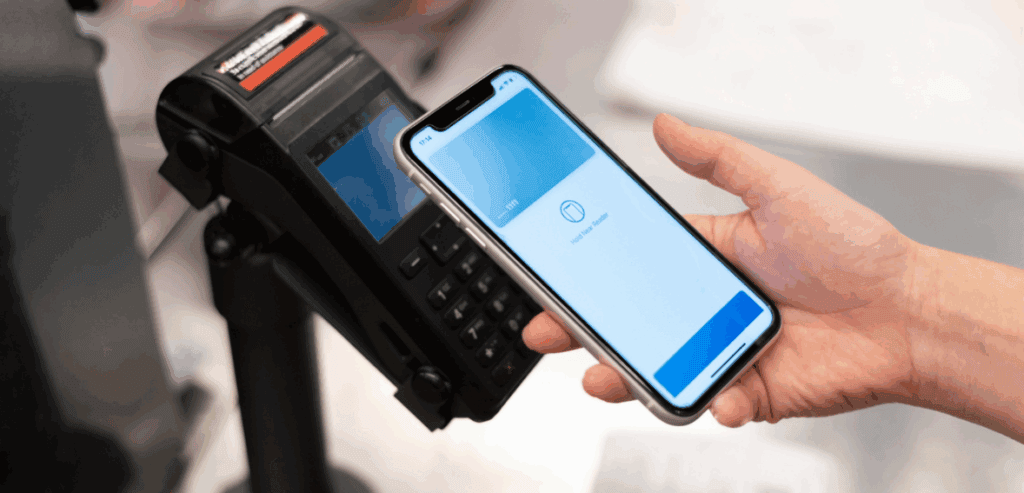
Technology continues to evolve, and so do POS accessories. Today’s market offers smart stands, wireless chargers, and modular designs that adapt to new terminals easily. This next generation of accessories supports scalability and simplifies upgrades, making POS workflow optimization a continuous process rather than a one-time improvement. Smart accessories also integrate with analytics tools, providing data on transaction volume, terminal usage, and maintenance needs.
These insights help managers plan inventory, allocate staff, and anticipate service demands. As digital payments grow, the integration between terminals and accessories will deepen, offering even more ways to boost speed and security. Investing in these upgrades ensures that stores remain future-ready, delivering experiences that match the expectations of a tech-savvy customer base while maximizing efficiency across operations.
The Bigger Picture: Efficiency as a Brand Value
In retail, efficiency is more than an internal metric; it’s a customer-facing value. Shoppers equate fast, seamless service with professionalism and reliability. A well-optimized POS setup demonstrates care, planning, and respect for customers’ time. Conversely, inefficient setups suggest neglect or disorganization. The credit card terminal inefficiency that causes delays or confusion becomes a reflection of overall service quality. Accessories, though small, serve as tangible expressions of a brand’s commitment to excellence.
They create smoother workflows, happier employees, and more satisfied customers. Over time, these improvements shape brand loyalty and community reputation. A store that consistently delivers quick, frictionless experiences stands out in a competitive marketplace. Efficiency becomes not just a behind-the-scenes feature but a visible part of the customer promise.
Impact on Seasonal and Promotional Sales
High-traffic stores rely heavily on peak seasons and promotional events to boost revenue. During these periods, every second at the checkout counter matters. Skipping essential accessories during such times amplifies credit card terminal inefficiency, leading to frustrating delays just when customer volumes are at their highest. Imagine a store running a limited-time discount or festive sale, with lines stretching to the door and terminals constantly shifting or losing connection.
Accessories like stable mounts, dual displays, and wireless extensions help maintain transaction speed, even under pressure. They allow employees to manage queues smoothly and customers to complete purchases swiftly, increasing throughput and sales per hour. Without them, transaction bottlenecks can result in abandoned carts and lost opportunities. Investing in accessories ensures readiness for peak business, transforming chaotic days into high-performing ones while preserving customer satisfaction.
Reducing Training Time for New Staff
Employee turnover is inevitable in retail, especially in high-traffic stores. New hires often require quick training to manage the point-of-sale system efficiently. Accessories play a surprisingly large role in this process. With a properly arranged and accessible terminal setup, staff can learn transaction steps faster and make fewer mistakes. POS workflow optimization that includes accessories reduces confusion, allowing even inexperienced cashiers to handle busy counters confidently.
When terminals are placed intuitively, with well-organized cabling and accessories that keep everything in reach, employees become proficient more quickly. This efficiency minimizes onboarding time, freeing senior staff for other responsibilities. In contrast, a disorganized checkout area increases errors and training hours. Accessories thus function as teaching aids, guiding new employees through smoother workflows. The reduced learning curve not only saves money but also ensures uninterrupted customer service during transitional periods.
Creating Accessibility for All Customers
Inclusivity in design goes beyond physical access; it includes how easily all customers, regardless of ability, can complete a transaction. For shoppers using wheelchairs, mobility aids, or with limited reach, accessories such as adjustable terminal stands and flexible mounts make a significant difference. By addressing credit card terminal inefficiency, these accessories promote comfort and dignity at checkout.
An accessible POS layout shows that the store values every customer equally, creating a welcoming and inclusive environment. Moreover, compliance with accessibility guidelines helps avoid potential legal or reputational risks. Inclusive design also benefits other users, like parents handling strollers or older adults who may find rigid setups difficult to use. Investing in adaptable accessories transforms accessibility into a core brand value, reinforcing a store’s image as customer-focused and socially responsible while expanding its appeal to a broader demographic.
Turning POS Accessories into Long-Term Brand Assets
Accessories are not merely tools; they can also reinforce a store’s branding. Custom-colored mounts, sleek display stands, and integrated signage holders can align with brand aesthetics while improving function. When customers see an organized, modern counter, they associate it with professionalism and trust. A clean and visually cohesive setup contributes to the perception of efficiency and attention to detail. This subtle enhancement plays a role in repeat business, as customers gravitate toward stores that offer seamless experiences.
Over time, the terminal accessories ROI extends into brand value, as consistent efficiency and design become part of the customer’s memory of the store. The checkout counter, once just a transactional space, transforms into a reflection of the brand’s commitment to quality. In the long run, investing in visually and functionally refined accessories yields dividends far beyond immediate operational improvements.
Conclusion: Investing in Small Tools for Big Gains
The true cost of skipping POS accessories extends far beyond the upfront price of hardware. It manifests in slower transactions, lower morale, and reduced profitability. Every aspect of a high-traffic store’s operation; from speed to customer satisfaction; relies on well-structured POS workflow optimization. Accessories bridge the gap between equipment and efficiency, turning technology into a dependable partner rather than a recurring challenge.
Their value compounds daily, protecting investments, reducing waste, and enhancing user experience. When businesses view accessories through the lens of terminal accessories ROI, they realize that these small additions create big returns; financially, operationally, and reputationally. In today’s competitive landscape, success often depends on details. And in the world of retail technology, those details start with the humble but powerful POS accessory.


Leave a Reply