Menu


Styluses and Signature Pads: Do You Still Need Them in 2025?
By John Misarti October 6, 2025
As digital payments continue to dominate retail and service industries, many business owners and consumers alike are questioning the relevance of traditional tools like styluses and signature pads. In the past, these devices were a crucial part of confirming transactions, providing both a physical and digital record of customer consent. However, as mobile wallets, biometric authentication, and contactless transactions rise, the need for a signature pad accessory or a stylus for POS has become less clear. Businesses must weigh whether these tools still add value in 2025 or if they have been overshadowed by modern solutions.
A digital signature terminal once offered a convenient way to merge paperless systems with customer verification, but technology is rapidly moving toward faster and more secure options. With the growing emphasis on efficiency, hygiene, and customer convenience, it is worth examining whether these tools still serve a purpose or if they are on their way out.
The Historical Role of Signature Pads
Signature pads became widely adopted when businesses transitioned from paper receipts to digital records. For many years, the signature pad accessory provided a bridge between traditional methods and modern technology by allowing customers to sign electronically while businesses stored digital copies for compliance. This shift eliminated the need for piles of paper records and streamlined auditing processes. The use of a stylus for POS also made it easier to maintain customer familiarity, as people were already accustomed to signing receipts during checkout.
In industries like retail, healthcare, and hospitality, the digital signature terminal was not only a tool for convenience but also for legal protection, offering proof of authorization in disputed transactions. For decades, these devices remained standard across stores, restaurants, and service providers. However, as the security of handwritten signatures came into question, reliance on these tools began to decline, paving the way for more advanced authentication methods.
The Rise of Biometric Authentication
One of the biggest challenges to the continued use of signature pads has been the emergence of biometric solutions such as fingerprint scanners, facial recognition, and even voice authentication. These technologies eliminate the need for a signature pad accessory by offering faster, more secure, and less error-prone methods of verifying identity. Customers no longer need to sign receipts with a stylus for POS when a simple biometric scan can complete the process in seconds.
The shift toward biometric systems has reduced the role of the digital signature terminal in many industries, particularly in high-volume retail settings where speed is critical. Biometric verification also addresses security concerns, as signatures can be easily forged, while biometric data is far more difficult to replicate. This transition highlights how customer expectations are changing, with people now valuing efficiency and security over traditional signing processes.
Hygiene and the Pandemic Effect
The global pandemic accelerated the decline of shared-touch devices, including signature pads and styluses. Concerns about hygiene made customers reluctant to use a communal stylus for POS, and businesses sought alternatives that reduced physical contact. Contactless payments and mobile wallets became more popular, creating an environment where the signature pad accessory was seen as an unnecessary risk rather than a convenience.
Even in 2025, these preferences continue to shape how consumers interact with technology. Many businesses that once relied heavily on a digital signature terminal have either phased it out entirely or limited its use to specific transactions. While hygiene may not be the sole factor driving change, it has played a significant role in encouraging businesses to adopt safer, touch-free options that align with evolving customer expectations.
Legal and Compliance Considerations
Despite advances in technology, legal and regulatory requirements still influence the need for signatures. Some industries, particularly healthcare, real estate, and financial services, continue to require written or digital signatures as part of compliance. In these contexts, the signature pad accessory retains its relevance, as it provides an easy way to capture and store customer consent. For businesses operating under strict regulations, abandoning a digital signature terminal altogether may not yet be possible.
That said, even regulated industries are exploring alternatives such as e-signature platforms and digital verification systems that bypass the need for a stylus for POS. These tools often integrate seamlessly with customer relationship management software and offer greater scalability. While traditional pads are still valid in certain contexts, their long-term viability will depend on how compliance standards evolve in the coming years.
Customer Experience and Familiarity
For many customers, signing on a pad is a familiar process that reinforces trust in the transaction. A signature pad accessory provides a sense of control, allowing customers to visibly confirm their purchase. In settings where customer reassurance is key, such as luxury retail or hospitality, this small interaction can still hold value. Using a stylus for POS might feel old-fashioned to some, but to others, it adds a layer of personalization and ceremony to the process.
However, the digital signature terminal has limitations in customer experience as well. Poorly calibrated pads or low-quality styluses often frustrate users, leaving signatures that look sloppy and unrecognizable. These issues can diminish rather than enhance confidence. In 2025, businesses must weigh whether maintaining this familiar but flawed method is worth the potential drawbacks when compared to smoother alternatives.
Cost-Benefit Analysis for Businesses
From a financial perspective, businesses must evaluate whether maintaining signature pads is cost-effective. The signature pad accessory requires upkeep, calibration, and sometimes replacement, all of which add to operational expenses. In contrast, mobile wallets and contactless cards require little investment beyond a payment terminal upgrade. A stylus for POS may also be subject to wear and tear, increasing replacement costs over time.
For small businesses, the decision to keep or phase out the digital signature terminal often comes down to customer demand and regulatory requirements. If most transactions can be securely completed without signatures, the cost savings from eliminating these devices may be significant. On the other hand, businesses in industries where signatures remain mandatory may find that the investment is still justified, at least in the short term.
The Hybrid Approach: Flexibility for All
Many businesses in 2025 are adopting hybrid approaches to payment technology, maintaining a mix of old and new systems. A signature pad accessory may remain available for customers who prefer or require it, while others can use contactless or biometric methods. This flexibility ensures that no customer feels excluded, particularly in regions where digital adoption varies widely.
A stylus for POS might not be the first choice for younger, tech-savvy consumers, but older customers may still prefer the reassurance of signing for their purchases. Similarly, a digital signature terminal may still serve niche functions such as delivery confirmations or special contracts. By offering multiple options, businesses can accommodate diverse needs while gradually phasing out less efficient tools over time.
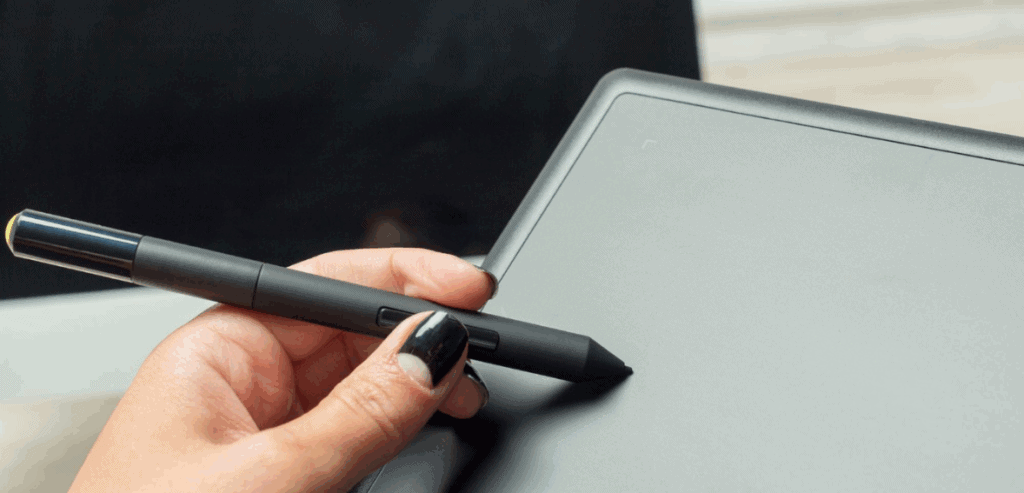
The Future of Styluses and Signature Pads
Looking ahead, the future of styluses and signature pads seems increasingly limited. While they may still play a role in specific industries or with certain customer groups, their widespread adoption is waning. The signature pad accessory is now more of a supplementary tool rather than a necessity. For many businesses, investing in modern, secure, and touch-free payment options offers greater benefits.
Still, there will likely remain situations where a stylus for POS continues to serve practical purposes, particularly where customer familiarity or regulatory compliance dictates its use. The digital signature terminal may evolve to integrate more advanced features, such as biometric compatibility, to stay relevant. Ultimately, their role will shrink, but not disappear entirely, as businesses continue to balance tradition with innovation.
Regional Variations in Payment Technology
While some regions have fully embraced mobile wallets and biometric authentication, others still rely heavily on older payment technologies. In many developing markets, a signature pad accessory remains a common part of the checkout process, as infrastructure for advanced solutions may not yet be widespread. Customers in these areas often expect to use a stylus for POS when completing purchases, making it impractical for businesses to abandon the technology entirely. Even in more advanced markets, certain industries such as government offices, healthcare, or logistics may still depend on the digital signature terminal for recordkeeping and compliance.
This uneven adoption shows that the relevance of styluses and pads depends not only on global trends but also on local conditions. Businesses expanding internationally may find it necessary to keep these devices available in some locations even if they are redundant in others. This regional variation reinforces the idea that styluses and signature pads may not disappear completely but will become more niche and context-driven tools.
Accessibility Considerations for Customers
Another important factor in evaluating the ongoing relevance of these devices is accessibility. Not all customers find modern biometric systems easy to use. For example, individuals with certain physical conditions may struggle with fingerprint recognition, while older consumers may feel more comfortable with the familiar process of signing on a signature pad accessory. In these cases, providing a stylus for POS ensures that businesses can accommodate diverse customer needs without alienating anyone.
A digital signature terminal can also offer features like enlarged screens or adjustable angles, making them more inclusive compared to devices that demand precise physical interaction. Accessibility is not only a matter of compliance but also of customer respect, and businesses that offer multiple methods of verification show commitment to inclusivity. As the payments landscape evolves, styluses and signature pads may remain relevant not because they are the most advanced but because they provide flexibility and ease for customers who need them most.
Security Perceptions Among Consumers
Even as biometrics and contactless systems gain traction, some customers continue to perceive signatures as a secure way of confirming transactions. Signing on a digital signature terminal feels like a tangible step of consent that reinforces trust. For these consumers, the absence of a signature pad accessory may create unease, especially for high-value purchases or sensitive transactions. Businesses may find that offering a stylus for POS enhances customer confidence, even if the signature itself is not a strong security measure by technical standards.
This perception-driven trust highlights how customer psychology plays a role in technology adoption. While experts recognize that signatures can be forged or manipulated, customers often equate the act of signing with validation and ownership. Retaining signature capture devices for this reason alone can help maintain positive customer relationships. In 2025, businesses must strike a balance between modernizing security and acknowledging the symbolic reassurance that styluses and signature pads continue to provide.
The Role of Styluses in Broader POS Ecosystems
Beyond capturing signatures, styluses and pads can serve functions that extend their relevance within retail and service ecosystems. A stylus for POS is not limited to authorizing transactions—it can be used for entering customer information, drawing annotations, or interacting with loyalty programs displayed on a touchscreen. Similarly, a signature pad accessory can double as a customer engagement tool, allowing for surveys or digital agreements to be completed on the spot.
When integrated with modern software, the digital signature terminal becomes more than a relic of past payment practices; it transforms into a multi-purpose interaction hub. Businesses that view these tools as part of a larger ecosystem may find continued value in keeping them operational. Instead of discarding them entirely, some companies are repurposing pads and styluses to enhance customer engagement, blending their familiarity with new features. This adaptability may ensure that styluses and signature pads continue to play a supporting role in POS systems, even as newer technologies dominate the core of payments.
Conclusion
In 2025, styluses and signature pads are no longer the central tools they once were, but they have not been completely phased out either. For businesses, the decision to retain a signature pad accessory, continue offering a stylus for POS, or upgrade to new systems depends on customer expectations, regulatory requirements, and overall cost-benefit analysis. The digital signature terminal still has relevance in certain industries, but its role is narrowing as biometrics, mobile wallets, and contactless payments become dominant.
Businesses that adapt to changing technologies while remaining flexible for customers are best positioned for long-term success. Styluses and signature pads may no longer be universal necessities, but they remain part of a transitional era in digital payments. Their continued use in 2025 reflects the balance between compliance, customer experience, and efficiency in a rapidly evolving payment landscape.


Leave a Reply