Menu

Credit Card Terminals and the Future of Contactless Payments
By John Misarti November 30, 2024
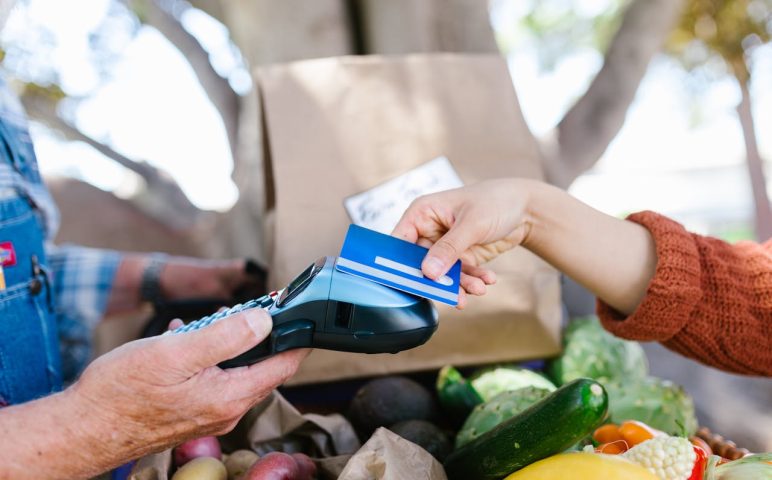
Technological advancements are reshaping the way we make transactions. Gone are the days of cash-heavy purchases or manual card processes. Credit card terminals, once a simple tool for processing payments, have evolved into sophisticated devices that cater to the needs of modern consumers. At the forefront of this revolution is contactless payment technology, which has not only enhanced convenience but has also provided new possibilities for futuristic terminals and NFC-enabled devices.
The Evolution of Credit Card Terminals
The story of credit card terminals is a testament to how far technology has come. Early credit card processing relied on manual imprinters—simple, mechanical devices that required carbon paper to create an impression of the card. While they served their purpose, they were cumbersome, slow, and prone to inaccuracies.
In the 1980s, electronic credit card terminals emerged, revolutionizing the payment industry. These machines featured magnetic stripe readers and the ability to connect to payment networks for instant authorization. Businesses embraced this technology because it made transactions faster and more secure. The introduction of EMV chip cards in the 1990s further enhanced security, making it difficult for fraudsters to duplicate cards. Terminals evolved to accommodate these chips, offering a more secure method of payment.
Fast forward to the 21st century, and credit card terminals have become multifunctional hubs. They now process transactions via magnetic stripes, chip cards, and contactless payments. Many devices feature touchscreens, wireless connectivity, and integration with point-of-sale systems. These advancements not only streamline operations for businesses but also provide customers with a seamless payment experience.
The Rise of Contactless Payments
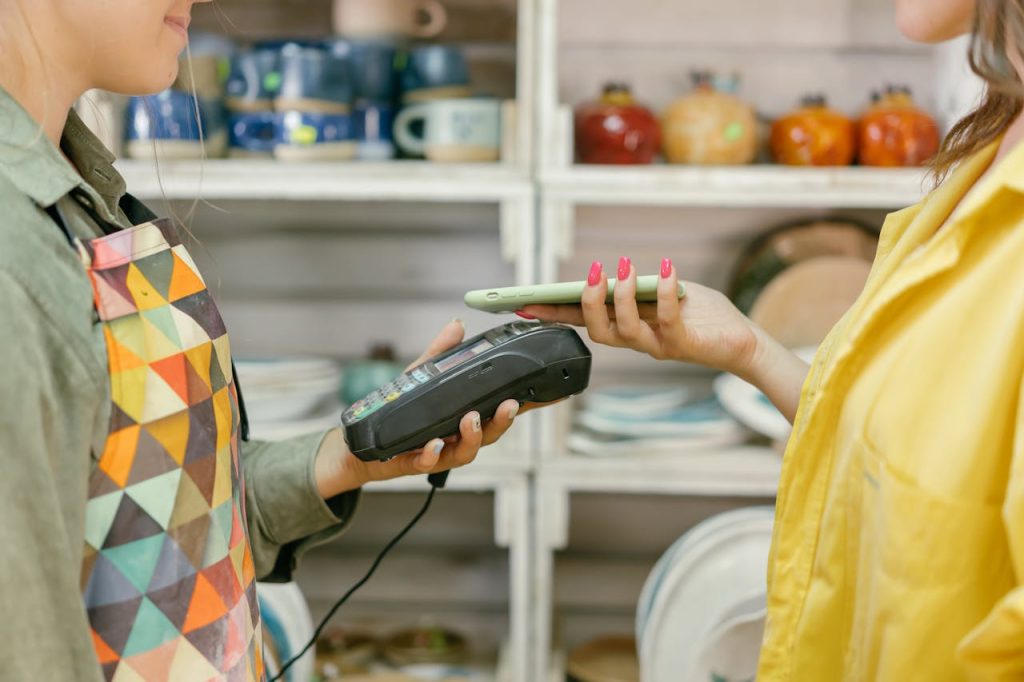
Contactless payments have taken the world by storm, becoming one of the most significant advancements in the payment industry. This technology allows users to make payments by simply tapping their card or NFC-enabled device near a compatible terminal. This innovation is powered by NFC, which enables secure communication between devices over short distances.
Tap-to-pay technology gained momentum due to its speed and simplicity. Unlike traditional methods that require PINs or signatures, contactless payments complete transactions in seconds. Consumers have embraced this convenience, especially in environments like public transportation, coffee shops, and retail stores, where time is of the essence.
Global events like the COVID-19 pandemic accelerated the adoption of contactless payments. Concerns over hygiene and social distancing highlighted the importance of minimizing physical contact during transactions. Businesses quickly upgraded to NFC-enabled terminals to meet customer expectations, leading to a surge in tap-to-pay transactions.
The popularity of contactless payments is evident in their widespread adoption. Financial institutions, tech giants, and retailers are heavily promoting this technology. Services like Apple Pay, Google Pay, and Samsung Pay have made it easier for consumers to integrate contactless payments into their daily lives, making wallets almost obsolete.

Benefits of Contactless Payments
The appeal of contactless payments lies in their ability to deliver a superior transaction experience. For consumers, speed and convenience are unmatched. Instead of fumbling with cash or waiting for chip card processing, users can simply tap their card or device and move on. This feature has made contactless payments the preferred choice for busy individuals and environments where every second counts.
Security is another major advantage. Contactless payments use encryption and tokenization, ensuring that sensitive card information is not transmitted during transactions. This adds a layer of protection, reducing the risk of fraud. In addition, users are typically required to authenticate larger transactions through PINs or biometric methods, further safeguarding their funds.
Hygiene concerns have also driven the demand for tap-to-pay technology. With no need to physically exchange cards or touch terminal keypads, contactless payments minimize the risk of spreading germs. This health-conscious feature has made the technology more appealing in a post-pandemic world.
For businesses, the benefits are equally significant. Contactless transactions are faster, which reduces checkout times and improves customer satisfaction. Additionally, offering modern payment options enhances a business’s image, attracting tech-savvy customers who value convenience and innovation.
Challenges in the Adoption of Contactless Payments
Despite the advantages, the journey to widespread adoption of contactless payments has not been without challenges. One major hurdle is the lack of infrastructure in some regions. Not all businesses have upgraded to NFC-enabled terminals, limiting the availability of tap-to-pay options. Small businesses, in particular, may find it costly to invest in the necessary technology.
Security concerns, while largely unfounded, remain a barrier for some consumers. Myths about the ease of unauthorized transactions through contactless methods have created hesitation. However, industry experts consistently highlight the robust security measures in place, including encryption, tokenization, and transaction limits for contactless payments.
Consumer awareness is another issue. While younger generations are quick to adopt new technologies, older populations may require more education on how to use contactless payments and understand their benefits. Bridging this gap is essential for achieving universal adoption.
Innovations Shaping the Future of Contactless Payments
The future of contactless payments is being shaped by cutting-edge innovations that promise to make transactions even more seamless and secure. Biometric authentication is emerging as a game-changer. Technologies like fingerprint scanning and facial recognition are being integrated into payment systems, providing an extra layer of security and eliminating the need for PINs.
Wearable devices are also playing a significant role in the evolution of payments. Smartwatches, fitness trackers, and even NFC-enabled rings are making it possible to leave wallets and smartphones behind. These futuristic terminals offer unparalleled convenience, especially for users who are always on the move.
The IoT is further expanding the possibilities of contactless payments. From smart refrigerators that can restock groceries to connected cars that pay for fuel automatically, IoT devices are transforming ordinary objects into payment platforms. This interconnected ecosystem is redefining the way consumers interact with the world.
Blockchain technology, although still in its infancy in the payment space, holds great promise for enhancing transparency and security. By decentralizing payment processes and creating immutable transaction records, blockchain could revolutionize the contactless payment industry.
The Global Landscape of Contactless Payments
Contactless payment adoption varies widely across the globe. In Europe, countries like the UK and Sweden are leading the charge, with contactless payments accounting for the majority of in-person transactions. Governments and businesses in these regions have heavily invested in NFC-enabled devices, making tap-to-pay technology a standard.
In Asia, nations like Singapore and South Korea are at the forefront of innovation. With tech-savvy populations and strong digital infrastructure, these countries have embraced contactless payments in public transportation, retail, and beyond. Mobile wallets and wearable devices are particularly popular in this region.
North America is catching up quickly, with the U.S. and Canada seeing significant growth in contactless payment adoption. Major retailers and financial institutions are actively promoting tap-to-pay options, and consumers are responding positively.
In contrast, developing economies face unique challenges. Limited access to NFC-enabled devices and inconsistent internet connectivity have slowed adoption. However, mobile payment solutions are bridging this gap, enabling even those without traditional banking access to participate in the contactless revolution.
The Role of Credit Card Terminals in the Future of Payments
As contactless payments become the norm, credit card terminals are evolving to meet new demands. Modern terminals are no longer just card readers; they are becoming smart hubs capable of processing a wide range of transactions. These devices integrate seamlessly with mobile wallets, biometric systems, and cloud-based software, offering businesses a comprehensive solution.
One notable development is the shift towards software-based payment systems. With innovations like Visa’s Tap to Phone, merchants can turn their smartphones into contactless payment terminals without the need for additional hardware. This democratizes access to payment technology, making it easier for small businesses to adopt.
Looking ahead, credit card terminals are likely to become even more advanced. AI-powered terminals could provide personalized shopping experiences by analyzing customer data in real time. Additionally, the rise of augmented reality could enable terminals to offer interactive displays, further enhancing customer engagement.
Conclusion
The journey of credit card terminals and contactless payment technology reflects the broader evolution of commerce. From manual processes to futuristic terminals and NFC-enabled devices, the payment landscape continues to evolve at an unprecedented pace. Tap-to-pay technology has revolutionized the way we transact, offering unmatched convenience, speed, and security.
As innovations like biometrics, IoT, and blockchain shape the future, the possibilities for contactless payments are limitless. While challenges remain, the benefits far outweigh the hurdles, making it clear that contactless payments are here to stay. For businesses and consumers alike, embracing this technology means stepping into a future where payments are seamless, secure, and smarter than ever before.


Leave a Reply