Menu


Eco-Friendly Payment Processing: The Rise of Sustainable Credit Card Terminals
By John Misarti November 29, 2024
The way we handle financial transactions is undergoing a green revolution. From the products we use to the systems we rely on, the call for sustainable practices is clear. This shift is especially evident in payment processing, where eco-friendly payment solutions and sustainable credit card terminals are rising to meet environmental challenges. By integrating green technology and encouraging paperless transactions, businesses and consumers alike can play a pivotal role in reducing the environmental impact of everyday commerce.
The Environmental Impact of Payment Processing
Payment processing, while crucial to modern commerce, has traditionally been far from eco-friendly. Credit card terminals, essential for businesses of all sizes, contribute to a growing problem of e-waste. Many of these devices are made with non-recyclable plastics and metals, which often end up in landfills when they are no longer usable. This waste not only takes centuries to decompose but also poses significant risks to soil and water ecosystems due to the leaching of toxic materials.
The energy demands of traditional payment systems add another layer to their environmental impact. Credit card terminals require consistent power, whether through direct connection to electricity or via battery backups. When scaled to millions of businesses worldwide, the cumulative energy consumption is staggering, contributing to a larger carbon footprint. Furthermore, manufacturing these devices involves resource-intensive processes, from mining raw materials to producing components, all of which amplify greenhouse gas emissions.
Paper receipts exacerbate the issue. It’s estimated that billions of receipts are printed annually, consuming vast quantities of paper, water, and energy. Often treated with chemicals like bisphenol-A, these receipts are not recyclable, meaning they end up as waste. Transitioning to paperless transactions could dramatically cut down on this problem, making the payment industry significantly greener.

What Are Sustainable Credit Card Terminals?
Sustainable credit card terminals are a new wave of devices designed with environmental considerations at the forefront. Unlike traditional systems, these terminals are made from recyclable or biodegradable materials, such as recycled plastics or metals. This approach reduces the environmental toll during production and ensures that at the end of their life cycle, the devices don’t contribute to mounting e-waste.
These eco-friendly payment solutions prioritize energy efficiency, often incorporating low-power components and energy-saving modes. Some devices even leverage renewable energy sources like solar power to operate, a particularly innovative approach that aligns with broader sustainability goals. Green technology embedded in these devices also ensures that their functionality isn’t compromised while reducing energy consumption.
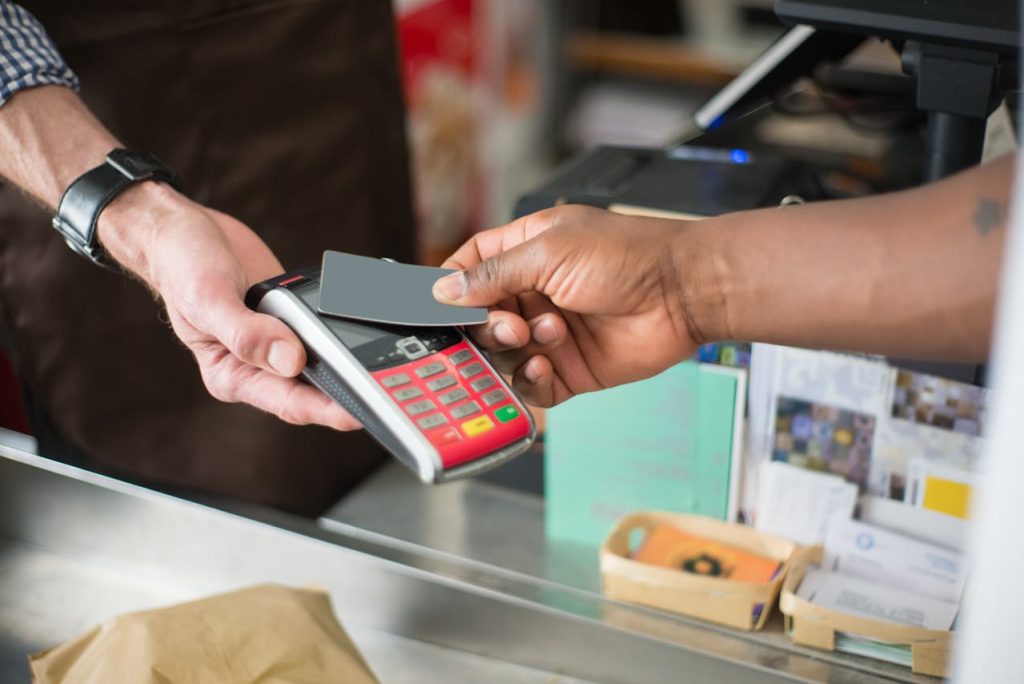
Another defining feature of sustainable terminals is their support for paperless transactions. Instead of relying on printed receipts, these terminals offer customers digital alternatives such as email or SMS receipts. This not only eliminates the need for paper but also aligns with consumer preferences for faster, clutter-free solutions. Contactless payment options, supported by these devices, further enhance their eco-friendliness by reducing the reliance on physical cards, which are themselves made from non-recyclable materials.
Benefits of Sustainable Payment Solutions
The adoption of sustainable payment solutions presents multiple benefits for businesses, consumers, and the environment. For businesses, these solutions serve as a way to demonstrate their commitment to environmental responsibility. By integrating green technology and offering paperless transactions, companies not only reduce their operational costs over time but also attract eco-conscious customers who value sustainability. A business that showcases its dedication to the planet can often strengthen its brand reputation and build loyalty among a growing segment of environmentally aware consumers.
From an environmental perspective, the advantages are substantial. By replacing traditional credit card terminals with sustainable alternatives, businesses can reduce their carbon footprint and minimize their contribution to global e-waste. The elimination of paper receipts saves trees and cuts down on the resources required to produce, transport, and dispose of this waste. Additionally, the energy efficiency of these devices lowers overall electricity consumption, contributing to a greener grid.
Consumers also benefit from the convenience of digital solutions. Paperless transactions reduce clutter while offering easier access to purchase records. The use of advanced technologies like contactless payments or biometric systems not only streamlines the purchasing experience but also reduces reliance on disposable items like physical cards. In this way, sustainable payment solutions align the interests of all stakeholders in a shared commitment to environmental preservation.
Innovations Driving Eco-Friendly Payment Processing
The push for greener payment solutions has spurred significant innovations in technology and design. One of the most promising developments is the integration of renewable energy sources. Solar-powered credit card terminals, for instance, can operate independently of traditional electricity grids, making them ideal for outdoor businesses or areas with unreliable power access. This innovation not only reduces reliance on fossil fuels but also promotes financial inclusion by making payment systems accessible in remote regions.
Another advancement is the use of recycled and biodegradable materials in the manufacturing of credit card terminals. Companies are increasingly turning to sustainable production practices to minimize waste during the manufacturing process. By adopting a circular economy approach, manufacturers ensure that devices can be disassembled and reused rather than discarded.
Blockchain technology, while typically associated with cryptocurrency, is also making inroads into payment processing. By decentralizing transaction verification, blockchain reduces the need for extensive physical infrastructure, lowering energy consumption in the process. However, it’s important to ensure that blockchain networks are energy-efficient themselves, as some implementations can be power-intensive.
Finally, biometric authentication technologies, such as fingerprint scanning and facial recognition, are reducing the need for plastic credit cards. These systems integrate seamlessly with digital payment platforms, creating a more sustainable and secure payment ecosystem. As these technologies become more widespread, they promise to significantly reduce the environmental burden associated with physical payment systems.
Challenges and Barriers to Adoption
Despite the benefits and innovations, there are challenges that hinder the widespread adoption of sustainable credit card terminals. One of the most significant barriers is cost. For small and medium-sized businesses, the initial investment required to purchase eco-friendly terminals may be prohibitive. While these systems often lead to cost savings in the long run through energy efficiency and durability, the upfront expense can deter adoption, particularly for businesses operating on tight margins.
Awareness is another major hurdle. Many business owners and consumers remain unaware of the availability and benefits of eco-friendly payment solutions. Without proper education and advocacy, misconceptions about the cost and complexity of these systems persist, slowing their uptake. Governments and industry leaders must play a role in spreading awareness and offering incentives for businesses to make the switch.
Infrastructure limitations also pose a challenge, especially in developing regions where reliable electricity and internet connectivity are not always available. While renewable energy-powered terminals address some of these issues, the broader infrastructure needed to support advanced payment systems remains underdeveloped in many parts of the world.
Lastly, there is the issue of security. As with any new technology, eco-friendly payment systems must meet stringent security standards to gain widespread trust. Businesses and consumers need assurance that these solutions not only protect the planet but also safeguard sensitive financial information.
The Role of Businesses and Consumers
Both businesses and consumers play critical roles in driving the adoption of sustainable payment systems. For businesses, adopting eco-friendly payment solutions can serve as a competitive advantage. By investing in green technology, companies can align themselves with the values of environmentally conscious consumers. Offering incentives for customers to opt for paperless receipts and promoting the environmental benefits of sustainable terminals can further boost engagement and adoption.
Consumers, on the other hand, wield significant power through their purchasing decisions. By prioritizing businesses that use sustainable credit card terminals, they send a strong message about the importance of eco-friendly practices. Consumers can also take small but impactful steps, such as opting for digital receipts and supporting companies that embrace green technology. These collective efforts can create a ripple effect, encouraging more businesses to adopt sustainable payment solutions.
The Future of Payment Processing
The future of payment processing is undoubtedly green. As technology continues to advance and awareness of environmental issues grows, eco-friendly payment solutions are poised to become the norm. Industry leaders are already setting ambitious sustainability goals, with some pledging to eliminate e-waste and transition to 100% paperless transactions within the next decade. Governments and regulatory bodies are also stepping in, offering incentives and introducing legislation to promote sustainable practices in the financial sector.
Looking ahead, innovations such as AI-powered payment systems, fully biodegradable devices, and enhanced renewable energy integration will further accelerate the transition to a greener financial ecosystem. By embracing these advancements, businesses and consumers alike can contribute to a more sustainable future, where technology and environmental stewardship go hand in hand.
Conclusion
Eco-friendly payment solutions and sustainable credit card terminals are no longer just a niche innovation—they are a necessity for a planet facing mounting environmental challenges. By adopting green technology, reducing e-waste, and championing paperless transactions, the payment processing industry has the potential to lead the charge toward a sustainable future. As businesses and consumers embrace these changes, they can collectively pave the way for a greener, more responsible approach to commerce, ensuring a healthier planet for generations to come.


Leave a Reply