Menu


How EMV Technology Enhances Security in Credit Card Terminals
By John Misarti November 25, 2024
In today’s world of financial transactions, ensuring security is paramount for both consumers and businesses. With the rise in popularity of digital payments, the likelihood of fraud has also gone up. Nevertheless, advancements such as EMV technology have been crucial in improving credit card security and increasing the safety of payment terminals. EMV chips, established by Europay, Mastercard, and Visa, are now a universal method for secure transactions, greatly decreasing fraud and providing reassurance to users.
Introduction to EMV Technology
EMV technology, named after Europay, Mastercard, and Visa, was introduced in the mid-1990s as a response to rising credit card fraud. Traditional magnetic stripe cards, which store static data, were highly vulnerable to cloning and skimming. These cards could easily be replicated, leaving cardholders exposed to fraud.
On the other hand, EMV technology brought in microprocessor chips integrated into credit cards. These chips carry out complex cryptographic tasks, ensuring every transaction is distinct. This development was intended to overcome the drawbacks of magnetic stripe cards and provide a safer method for conducting payment transactions. By the year 2020, EMV technology had been widely embraced throughout the United States, and the majority of payment terminals had been upgraded to accommodate it.
For consumers, the shift to EMV chips meant safer transactions, while for businesses, it helped mitigate the financial burden of fraud-related chargebacks. As payment methods evolve, understanding EMV technology’s role in credit card security is essential for staying ahead in the fight against fraud.

How EMV Technology Works
EMV technology relies on the integration of a microprocessor chip into the credit card. This chip acts as a mini-computer, capable of performing complex cryptographic functions during a transaction. Here’s how the process works:
Card Insertion or Tap: When an EMV card is inserted into or tapped on a payment terminal, the chip communicates with the terminal to initiate the transaction.
Dynamic Authentication: In contrast to magnetic stripe cards that rely on fixed data, EMV chips produce a distinct transaction code for each payment. This code is not able to be reused, so it is extremely difficult for fraudsters to copy the transaction.
Encryption: During the transaction, the EMV chip encrypts sensitive cardholder data, ensuring it is securely transmitted between the terminal and the payment processor.
The distinguishing factor of EMV technology is its encrypted and dynamic process. If hackers capture transaction data, it is worthless without the original card and its chip. This characteristic has played a key role in improving the security of payment terminals and decreasing the chances of data breaches.
Key Security Features of EMV Technology
The success of EMV technology lies in its advanced security features, which have redefined how credit card transactions are processed:
Dynamic Authentication: Each transaction generates a one-time code, ensuring that no two transactions are alike. This prevents fraudsters from using stolen card data in future transactions.
Encryption of Data: EMV chips encrypt cardholder information, making it unreadable to unauthorized parties. This added layer of security protects sensitive data during transmission.
Cloning Resistance: Unlike magnetic stripes, which are easy to duplicate, EMV chips are designed to resist cloning. The unique chip structure and cryptographic functions make replication highly challenging.
Fraud Prevention for Card-Present Transactions: EMV technology primarily combats card-present fraud, where the card is physically used at a terminal. This has been a significant area of vulnerability for traditional cards.
Together, these characteristics improve the security of credit cards and offer a strong protection against fraudulent activities. EMV chips have established a higher standard for secure payments through their emphasis on dynamic and encrypted transactions.
Reducing Fraud with EMV Adoption
The introduction of EMV technology has drastically reduced fraud in regions where it has been widely adopted. In the United States, for example, Visa reported a 76% reduction in counterfeit fraud from 2015 to 2018 among merchants who upgraded to EMV-compatible terminals.
Counterfeit fraud, which involves the use of cloned cards, was a significant challenge before EMV adoption. Magnetic stripe cards made it easy for criminals to skim card data and create duplicates. EMV chips addressed this issue by introducing unique transaction codes and making card cloning virtually impossible.
Additionally, the implementation of liability shifts by card networks encouraged businesses to further embrace EMV technology. According to those rules, merchants who didn’t switch to EMV terminals were held accountable for any fraudulent transactions financially. This advancement promoted extensive application and added to a more secure payment environment.
While EMV technology has effectively curbed card-present fraud, challenges remain in combating card-not-present fraud, such as online transactions. However, advancements like tokenization and biometric authentication are being integrated with EMV systems to address these concerns.
EMV Technology and Contactless Payments
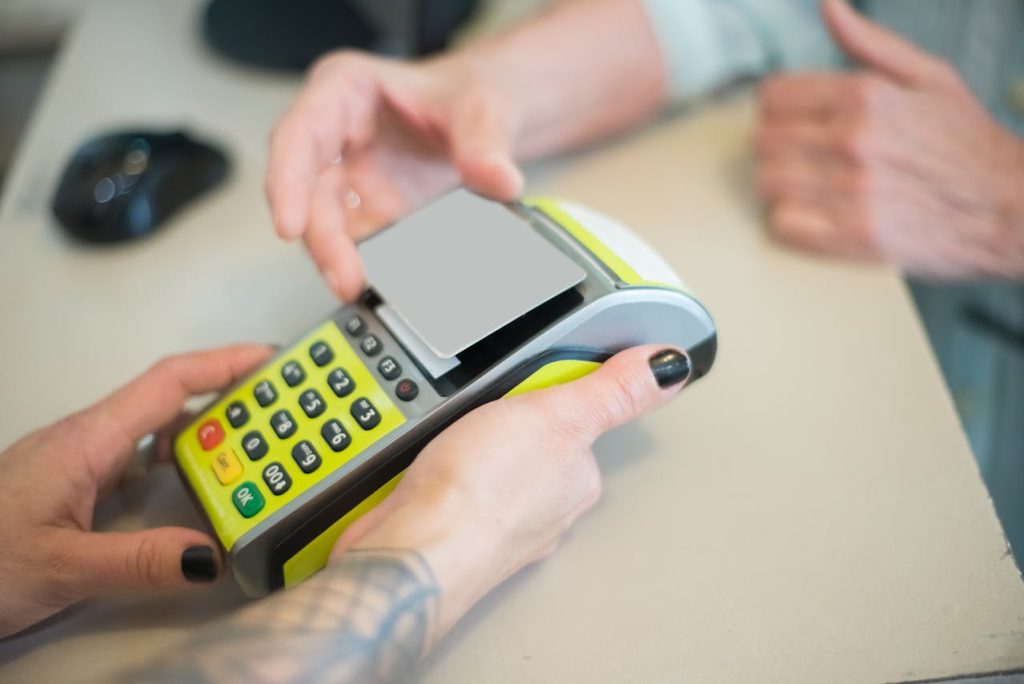
The rise of contactless payments has further showcased the versatility of EMV technology. Many modern credit cards and payment terminals now support NFC, allowing users to make secure transactions by simply tapping their card.
Contactless payments utilize the identical EMV chip technology to maintain transaction security. When a card is tapped on a terminal, the chip creates a distinct transaction code, just like it does when inserted traditionally. This active verification helps prevent the reuse of data and ensures the security of credit cards.
Contactless payments are advantageous for consumers due to their convenience and efficiency, especially in bustling retail settings. For businesses, incorporating contactless EMV technology improves payment terminal security and satisfies the increased need for smooth, safe payment options.
The COVID-19 pandemic accelerated the adoption of contactless payments, as consumers prioritized hygiene and social distancing. This shift underscored the importance of EMV technology in enabling secure and flexible payment solutions.
Challenges in EMV Implementation
Despite its benefits, the transition to EMV technology has not been without challenges. Businesses, particularly SMEs, have faced hurdles in adopting this technology:
Cost of Transition: Upgrading to EMV-compatible payment terminals involves significant investment. For smaller businesses, these costs can be prohibitive, delaying adoption.
Complexity of Implementation: Adopting EMV technology requires system upgrades, staff training, and integration with existing payment processes. This complexity can deter businesses from making the switch.
Consumer Education: Many customers are still not informed about the security advantages of EMV chips and might mishandle their cards by swiping rather than using the chip functionality. Maximizing the security potential of EMV cards depends on educating users about their proper use.
Despite these challenges, the long-term benefits of EMV technology far outweigh the initial hurdles. As awareness grows and costs decrease, more businesses are expected to adopt EMV-compatible systems.
Future of EMV Technology
As payment technologies continue to evolve, EMV technology is poised to play a central role in shaping the future of secure transactions. Some potential advancements include:
Biometric Integration: Combining EMV chips with biometric authentication, such as fingerprints or facial recognition, could add an extra layer of security to transactions.
Enhanced Online Security: Efforts are underway to extend the benefits of EMV technology to card-not-present transactions, such as e-commerce. Tokenization and dynamic CVV codes are emerging solutions in this area.
Seamless Integration with Digital Wallets: EMV technology is increasingly being integrated into digital wallets like Apple Pay and Google Pay, offering consumers a unified and secure payment experience.
The ongoing advancement of EMV technology guarantees that it will continue to be a key element in safeguarding credit card transactions and protecting against fraud. EMV technology will adjust to keep up with changing payment landscape by proactively addressing new threats.
Conclusion
EMV technology has revolutionized the manner in which credit card transactions are carried out, providing unmatched security and dependability. EMV systems have greatly decreased fraud and enhanced payment terminal security by substituting static magnetic stripes with dynamic chips. Even though there are difficulties in putting it into practice, the advantages for customers and companies are unquestionable.
As the payment industry evolves, EMV technology will continue to adapt, integrating with emerging solutions like biometrics and digital wallets. For consumers, this means safer transactions and greater peace of mind. For businesses, it underscores the importance of staying updated with secure payment technologies to protect their customers and assets.


Leave a Reply